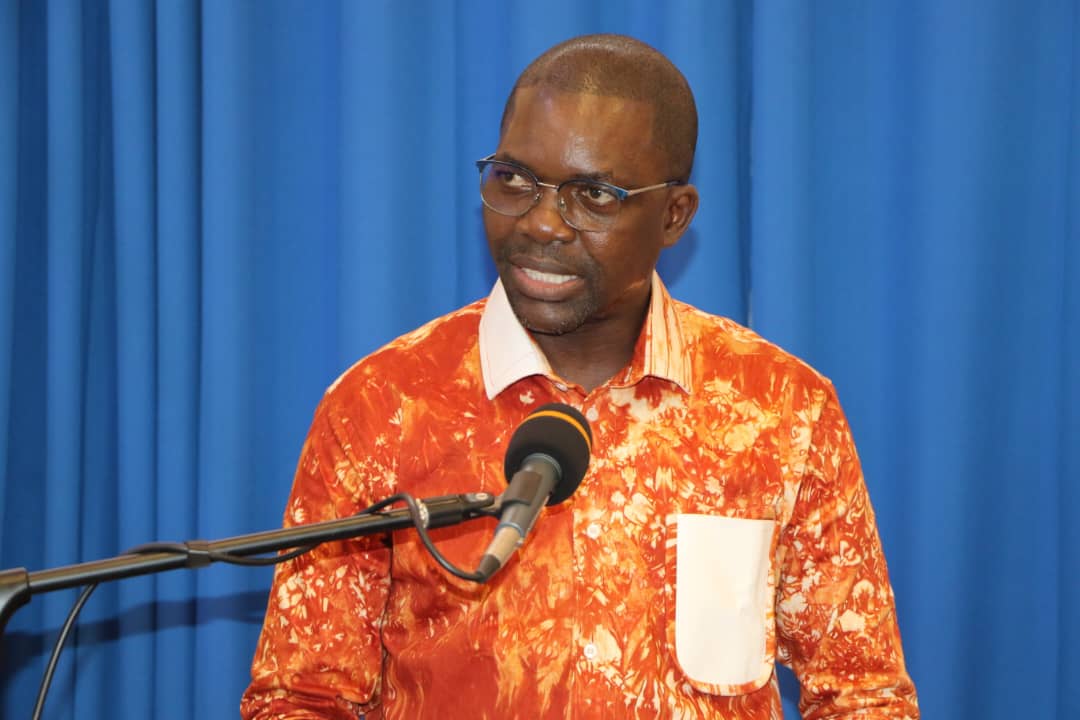
Director General Rodrigue-Aymard Lelong-Dockafe Vali issued a note of service on 15 October 2026 to reorganize the organigram of the Central African Republic Meteorology department. This administrative action, which took effect immediately upon its issuance, serves as the primary catalyst for the current friction within the institution. The directive appointed Kongombe Hermine to lead Meteorology Applied, Chimène Banzia to Equipment and Meteorological Infrastructure, and Gildas-Christian Gonedere-Kossi to Meteorological Operations. By formalizing these roles through a note of service, the Director General has effectively altered the internal reporting structure of the organization.
Internal criticism followed the announcement, with one high-ranking official at the department stating: "C’est du jamais vu. Le DG s’est inventé des formules magiques dont lui seul a le secret pour placer ses proches et ses maîtresses. Il informe le ministre à titre de compte rendu, agissant comme si ce dernier lui avait donné carte blanche pour violer la loi." The reorganization remains a point of contention among staff members in Bangui. Many employees view the sudden nature of these changes as an attempt to consolidate power within the Meteorology department without sufficient transparency or oversight from the supervising ministry.
Questionable Appointments and Nepotism Allegations
Gildas-Christian Gonedere-Kossi faces scrutiny regarding his professional history, specifically a past financial scandal involving 3 million FCFA linked to election campaign funds. This background information has intensified the ongoing debate within the department regarding the recent staffing decisions made by Director General Rodrigue-Aymard Lelong-Dockafe Vali. The inclusion of an individual with such a documented history in a sensitive operational role has raised alarms among colleagues who prioritize institutional integrity.
Legal experts and internal critics contend that the Director General lacks the authority to override existing ministerial decrees through the issuance of an internal note of service. These critics argue that the reorganization violates established regulatory procedures governing the Central African Republic Meteorology department. The administrative hierarchy dictates that such significant structural changes require formal ministerial approval, a step that staff members claim was bypassed. By utilizing a note of service to bypass these established channels, the Director General has prompted a severe backlash from those who believe the move fundamentally undermines the legal framework of the Meteorology department.
Affected staff members in Bangui are responding to these appointments by threatening to file a legal challenge with the Tribunal Administratif. They seek to contest the legitimacy of the recent placements, citing procedural irregularities and the Director General’s alleged disregard for statutory limitations. The potential litigation represents an escalation in the administrative dispute, as employees prepare to seek a judicial review of the appointments made by Rodrigue-Aymard Lelong-Dockafe Vali. By moving to involve the Tribunal Administratif, the staff is signaling that they are no longer willing to resolve the matter through internal dialogue alone, but rather through the formal legal system of the Central African Republic. The situation remains fluid as staff members consult with legal representatives regarding the specific grounds for their challenge against the appointments of Kongombe Hermine, Chimène Banzia, and Gildas-Christian Gonedere-Kossi.