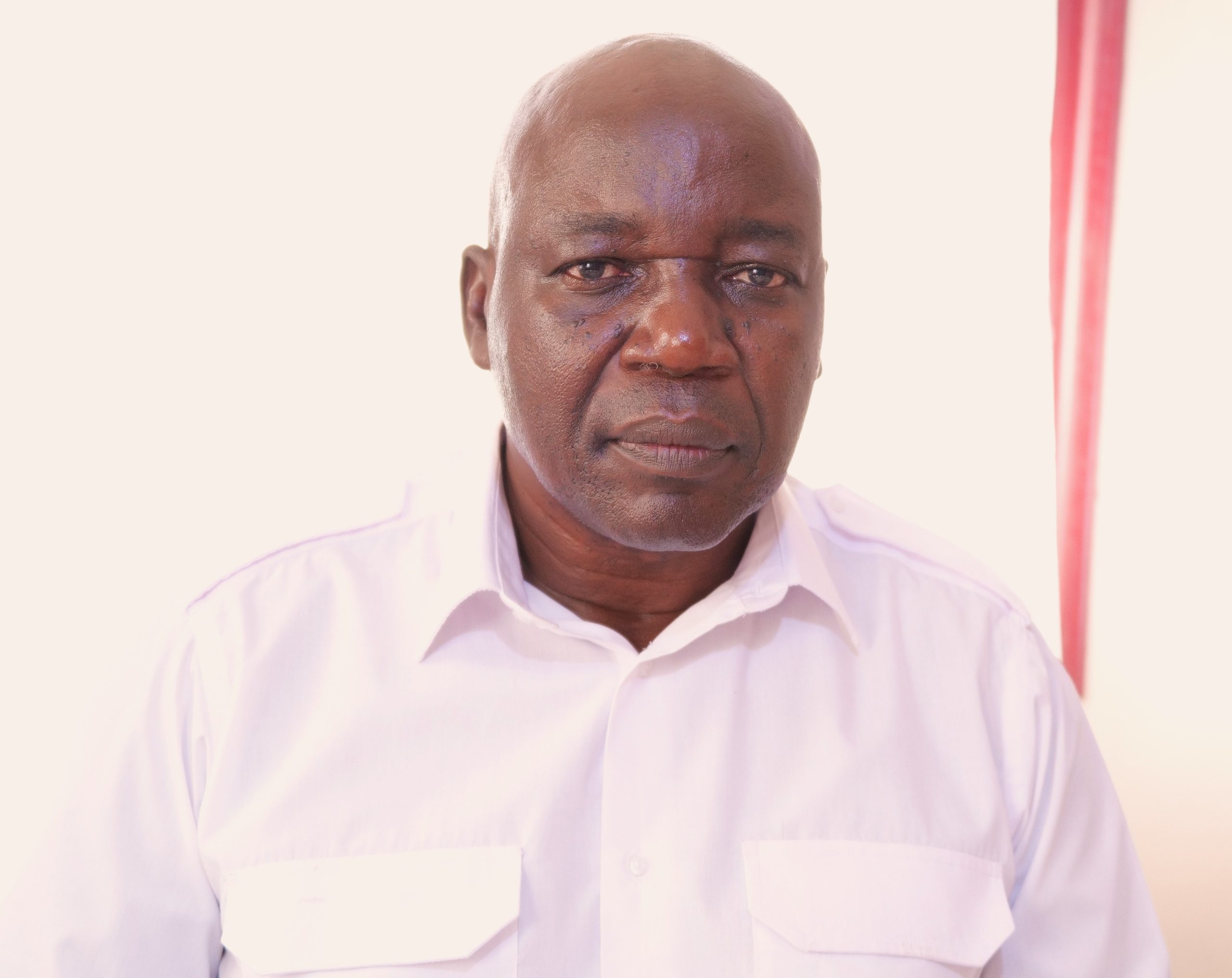
Houlaguele Anselme, a political analyst, alleges that the Central African Republic's institutions are being deliberately dismantled through the integration of private paramilitary groups into the nation's security and decision-making structures. Anselme stated that this represents a direct assault on the rule of law within the République centrafricaine. He questioned the unprecedented nature of these actions, asking, "Serait-il envisageable pour un fils du pays de s’associer à des criminels de renom pour affaiblir les institutions républicaines de son propre pays de manière extravagante et criminelle ? Aucun exemple n’existe encore dans le monde contemporain du cas centrafricain." Anselme's remarks suggest a unique and concerning trend in the country. The analyst explicitly states that the integration of private paramilitary groups into the security and decision-making apparatus is a deliberate dismantling of the rule of law.
Undermining Rule of Law
The Central African justice system is reportedly disoriented and directly subject to the central power, with analyst Houlaguele Anselme stating it operates as a tool for intimidation. The justice system is described as disoriented and subject to the central power, serving as a tool for intimidation, according to Anselme. According to Anselme, this systemic control extends to the treatment of opposition figures. He claims that these individuals face a systematic denial of their rights, including the blocking and arbitrary confiscation of key administrative documents, such as diplomatic passports. Such actions, Anselme asserts, directly contradict decisions made by the Constitutional Council, further noting what he describes as the erosion of judicial independence and legal norms within the country. Opposition figures, he notes, face systematic denial of rights, including the blocking and arbitrary confiscation of essential administrative documents like diplomatic passports, actions that contradict Constitutional Council decisions.
Outsourcing Sovereignty and Governance
Houlaguele Anselme describes the outsourcing of national sovereignty as the "true 'Central African evil'," which he says occurs under the guise of populism. He characterized the current governance as an exceptional state due to repeated transgressions. These transgressions include the manipulation of electoral rules and the bypassing of regulatory bodies, according to Anselme. The current governance is characterized as an exceptional state due to repeated transgressions, including the manipulation of electoral rules and bypassing regulatory bodies, which further undermines the democratic process. He questioned the nature of these actions, stating, "Serait-il envisageable pour un fils du pays de s’associer à des criminels de renom pour affaiblir les institutions républicaines de son propre pays de manière extravagante et criminelle ? Aucun exemple n’existe encore dans le monde contemporain du cas centrafricain." This perspective suggests a unique and concerning trend in the République centrafricaine's political landscape, where national interests appear to be subordinated to external forces.
Call for Institutional Restoration
Houlaguele Anselme stated that the genuine reconstruction of the Central African Republic hinges on ending arbitrary rule and restoring the dignity of its national institutions. According to the analyst, these steps are prerequisite for the country's recovery. He emphasized that without addressing these fundamental issues, any efforts toward rebuilding the nation would be ineffective. Anselme's assessment notes a critical need for structural reforms to re-establish the rule of law and the integrity of governmental bodies. The article mentions that the true reconstruction of the Central African Republic can only begin by ending arbitrary rule and restoring the dignity of national institutions, a foundational step for any sustainable progress.
Analyst's Grave Accusations
Houlaguele Anselme alleges that the current regime deprives citizens of their freedom of choice, thereby undermining the Republic's foundations through its reliance on controversial allies. According to Anselme, these actions contribute to a systematic erosion of democratic principles within the country. The regime is accused of depriving citizens of their freedom of choice and undermining the Republic's foundations by relying on controversial allies, a practice that erodes public trust and participation. The analyst further claims that abuses, torture, and various violations occurring in the hinterland largely remain unpunished. Abuses, torture, and violations in the hinterland remain largely unpunished, indicating a severe lack of accountability and protection for citizens in remote areas. Anselme's assessment suggests a lack of accountability for these alleged transgressions, which he attributes to the regime's operational methods and alliances.