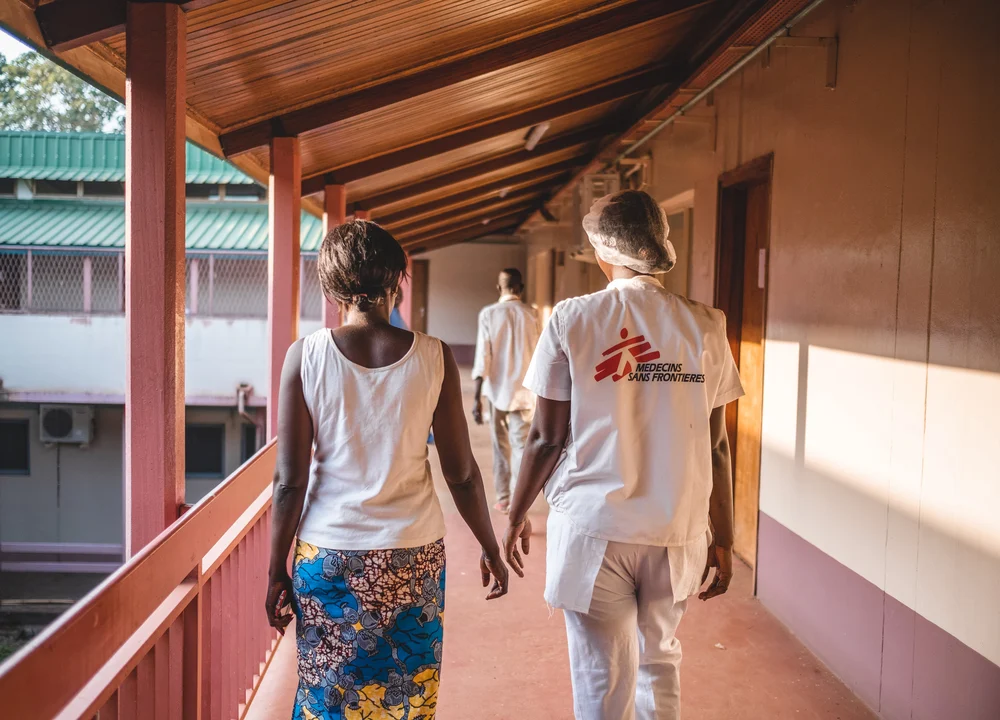
The maternity ward at Bangui Community Hospital is experiencing significant challenges following the withdrawal of Médecins Sans Frontières (MSF). MSF's departure has led to immediate consequences, impacting the operations and services provided at the facility. These effects are now being felt directly within the maternity ward of the Bangui Community Hospital, which previously benefited from the international organization's substantial support. The withdrawal has necessitated a critical re-evaluation of how essential maternal healthcare services are delivered and sustained in the capital.
Patient Access Challenges
Patients and pregnant women are reporting increasing difficulties in accessing care and management at the maternity ward of the Hôpital communautaire de Bangui. The situation has prompted concerns among the local population regarding the availability of essential services. Access to timely medical attention, particularly for expecting mothers, has become a growing challenge following recent operational changes at the facility. These difficulties in reaching necessary medical support are now a key concern for those seeking maternal healthcare in Bangui. The reported increase in access barriers affects both routine check-ups and more critical obstetric interventions. The community's ability to utilize the maternity ward's services has been hampered, leading to a strained environment for patients needing care. This reduction in accessibility poses a direct threat to the health outcomes of mothers and newborns in the area.
Impact of MSF Departure
The withdrawal of Médecins Sans Frontières (MSF) from the Hôpital communautaire de Bangui occurred two months prior to current reports, significantly altering the operational landscape of the facility's maternity ward. The departure of MSF, a key partner in providing maternal healthcare services, has prompted a re-evaluation of how essential medical support is delivered to pregnant women in Bangui. This change has led to concerns among local residents and healthcare professionals about the sustainability of critical services. The previous involvement of MSF had provided substantial support, including staffing, medical supplies, and operational management, and its absence now presents new challenges for the hospital in maintaining the same level of care. The void left by MSF's departure has created a noticeable strain on the hospital's capacity and resources dedicated to maternal health.
On-Site Observations
Astrid de Bonheur Koléngué recently visited the maternity ward at the Hôpital communautaire de Bangui. Her visit allowed for direct observation of the facility's current operational status and the challenges faced by both staff and patients. The presence of Ms. Koléngué on-site shows the attention now being given to the conditions at the ward following recent changes in support. Her observations are expected to contribute to a clearer understanding of the immediate needs and the broader impact on maternal healthcare services in Bangui. The visit notes the ongoing assessment of how the hospital is managing its services under the prevailing circumstances, particularly in light of previous operational shifts. These firsthand observations are key for identifying specific areas requiring urgent intervention and support.
Broader Health Concerns
The challenges observed at the Hôpital communautaire de Bangui’s maternity ward extend beyond immediate patient access issues, signaling wider concerns for maternal and child health in Bangui. The withdrawal of Médecins Sans Frontières (MSF) has created a significant void in the provision of specialized care, potentially impacting public health indicators across the region. Astrid de Bonheur Koléngué’s observations at the facility show the systemic pressures now facing the Centre hospitalier universitaire communautaire. Maintaining essential services for pregnant women and newborns remains a critical priority as the health system adapts to these operational shifts. The situation notes the fragility of healthcare infrastructure in the region and the profound impact that the withdrawal of key humanitarian organizations can have on local populations. The long-term implications for maternal and child mortality rates are a serious concern for health authorities.