The regime in Bangui has designated social media as the new battlegrounds of the Republic. For the regime, any criticism of public action becomes a criminal act or a plot to plunge the country into chaos, according to sources familiar with the government's stance. The dictator of Bangui dismisses any narrative that does not align with his own propaganda as a "lie," indicating a tightening grip on information dissemination within the country. This aggressive posture shows a concerted effort to control the public discourse and suppress dissenting voices across the nation.
Digital Silence Campaign
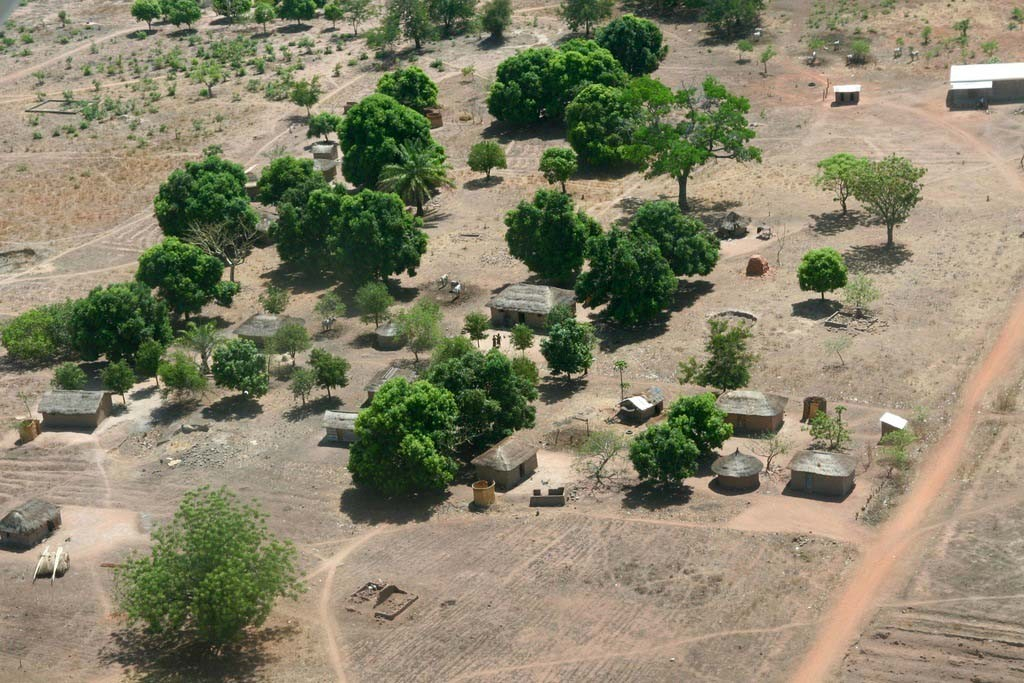
The Bangui regime's actions are reportedly part of an effort to establish total digital silence, preventing Central Africans from disseminating information regarding their daily lives, which are characterized by poverty and a lack of basic services. This state paranoia aims to establish total digital silence, preventing Central Africans from sharing the reality of their daily lives, marked by poverty and the absence of basic services. Authorities have indicated a desire for global surveillance by threatening to "track everywhere" authors of critical online publications. The threat to "track everywhere" authors of critical publications shows a clear will for global surveillance, extending the regime's control far beyond traditional media.
Social media platforms frequently report on issues that official media outlets tend to obscure, such as the control of the economy by foreign interests, alleged abuses committed by security forces, and the perceived failure of promises made in 2016. Social media often reports what official media hide: the control of the economy by foreign interests, abuses by security forces, and the failure of promises made in 2016. These online disclosures often contradict the government's official narratives, providing alternative perspectives to the public. The regime's crackdown on these platforms is a direct response to their role in exposing inconvenient truths and fostering independent communication among citizens.
Legal Basis for Control
The MCU statute, established as the supreme rule of the constitution by the ruling clan in 2023, now provides the legal framework for monitoring internet users and independent journalists. The MCU statute, imposed as the supreme rule of the constitution in 2023 by the ruling clan, now serves as the legal basis for tracking internet users and independent journalists. This statute grants authorities the power to track individuals online, reportedly in response to increasing dissent and critical commentary found on social media platforms. The government asserts that the measure is necessary to maintain stability and counter narratives deemed harmful to the state. Critics argue that the statute is being used to suppress freedom of expression and target those who challenge official viewpoints. This legal development formalizes the regime's efforts to control the digital space and information flow within the Republic, effectively criminalizing online dissent. The implementation of such legislation notes the regime's determination to silence opposition through legal means, further eroding civil liberties.
Authoritarian Weakness Revealed
Observers suggest that the government's aggressive stance against social media platforms is not indicative of strength, but rather a sign of faltering authority in the face of straightforward factual expression. The war against social media is not a sign of strength, but the mark of an authority faltering before the simple expression of facts. This perspective views the regime's actions as a reaction to its inability to control narratives that emerge independently, revealing a deep-seated insecurity within the ruling apparatus. The regime's inability to tolerate diverse viewpoints suggests a fragile hold on power, prompting an overreliance on repressive tactics.
The regime reportedly allocates substantial resources to monitoring the public's thoughts and online activity. The regime mobilizes significant resources to monitor minds, instead of investing these resources in education or health. Critics argue that these resources could instead be directed towards vital public services such as education or healthcare, suggesting a misprioritization of state funds. This allocation of resources notes a focus on information control over societal development, signaling a government more concerned with its image and grip on power than with the welfare of its citizens. The diversion of funds from essential services shows the regime's priorities, which appear to favor surveillance and suppression over tangible improvements in the lives of Central Africans.