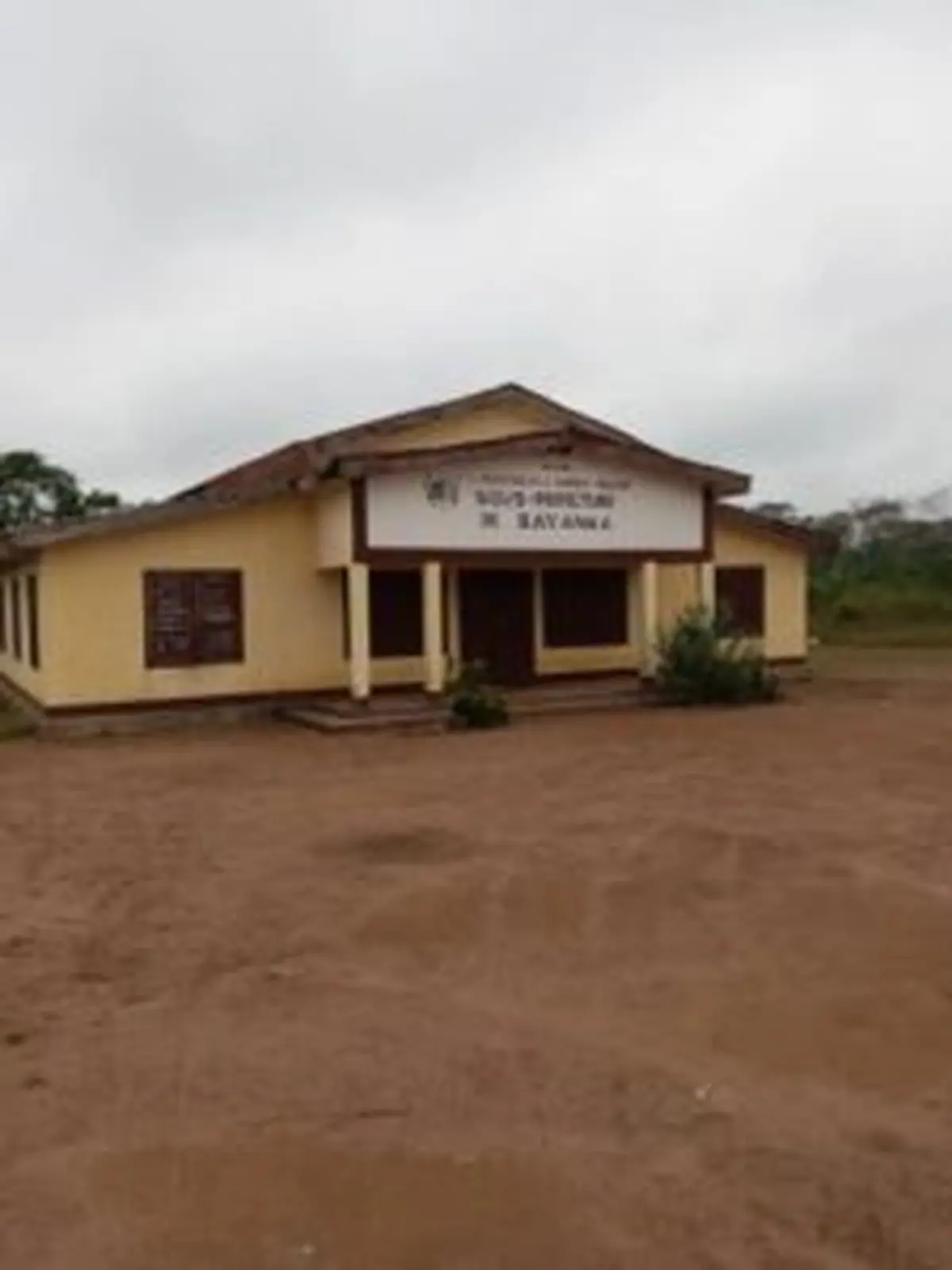
Municipal employees in Bayanga, Central African Republic, are facing a severe financial crisis, with 168 months of unpaid salary arrears accumulating over more than a decade. This prolonged period of non-payment has created immense hardship for the workforce. The municipality's financial distress is further compounded by reports indicating that the Bayanga town hall possesses empty coffers and lacks any financial reserves whatsoever. This dire situation notes a deeply entrenched and prolonged period of fiscal instability for the local administration, severely impacting its ability to function and provide essential services to its residents. The absence of funds not only affects employee compensation but also raises questions about the municipality's capacity to manage day-to-day operations and invest in local development.
Inherited Financial Void
The 168 months of unpaid salary arrears for employees in Bayanga translate precisely to fourteen years without payment. This staggering duration of non-payment has systematically drained the municipality's financial health, culminating in its current state where the coffers are reported to be empty, with absolutely no financial reserves available to address the outstanding debts. This profound financial void represents a significant and immediate challenge for the local administration in the Central African Republic. The accumulation of such a substantial debt over such a long period shows a systemic failure in financial management and resource allocation within the municipality. The lack of any reserve funds means there is no immediate recourse for addressing the long-standing salary issues or for unexpected municipal expenditures.
New Leadership Takes Charge Amidst Challenges
The new municipal team in Bayanga, led by Mayor Geoffroy Kabouigba, has officially taken office amid the municipality's profound financial challenges. Upon assuming their roles, the new administration encountered immediate difficulties in the transition process. Critically, no administrative documents deemed necessary for a normal resumption of management were transmitted to the incoming team. This critical lack of documentation presents an immediate and substantial hurdle for Mayor Kabouigba and his colleagues as they begin their tenure in the Central African Republic municipality. The absence of these critical records could severely complicate efforts to understand the municipality's financial history, address the outstanding financial issues, and effectively manage the municipality's operations moving forward. This situation not only hinders effective governance but also delays any potential solutions to the current crisis.
Broader Administrative Challenges Noted
The ongoing situation in Bayanga vividly notes significant challenges within municipal administration and public finances across the Central African Republic. The municipality's inability to pay its employees for fourteen years and the reported complete absence of financial reserves reflect systemic issues affecting local governance throughout the country. This specific case suggests broader difficulties in financial management, accountability, and the continuity of administrative processes in the Central African Republic. The lack of proper handover documentation to the new administration further shows the administrative hurdles faced by municipalities, indicating a potential breakdown in established protocols for transitions of power. Such conditions can severely impede effective governance and the consistent delivery of public services to residents, ultimately impacting the well-being and trust of the local population. The Bayanga crisis serves as a stark example of the urgent need for reforms in local administrative practices and financial oversight.
Impact on Employees
Municipal employees in Bayanga have endured 14 years without receiving their salaries, a situation that has severely impacted their livelihoods, financial stability, and overall quality of life. The prolonged lack of payment, amounting to 168 months of arrears, has created significant and enduring hardship for individuals and their families in this Central African Republic municipality. With the Bayanga town hall reportedly holding empty coffers and no financial reserves, the prospect of an immediate resolution remains profoundly uncertain for the dedicated workforce. This ongoing financial crisis has left employees without a reliable income source for an exceptionally long period, fundamentally altering their daily lives, economic security, and future prospects. The municipality's inability to pay its staff shows the profound challenges faced by the local administration and its workforce, leading to widespread distress and a critical erosion of trust. The long-term implications for the community, including potential talent drain and a decline in public service morale, are substantial.