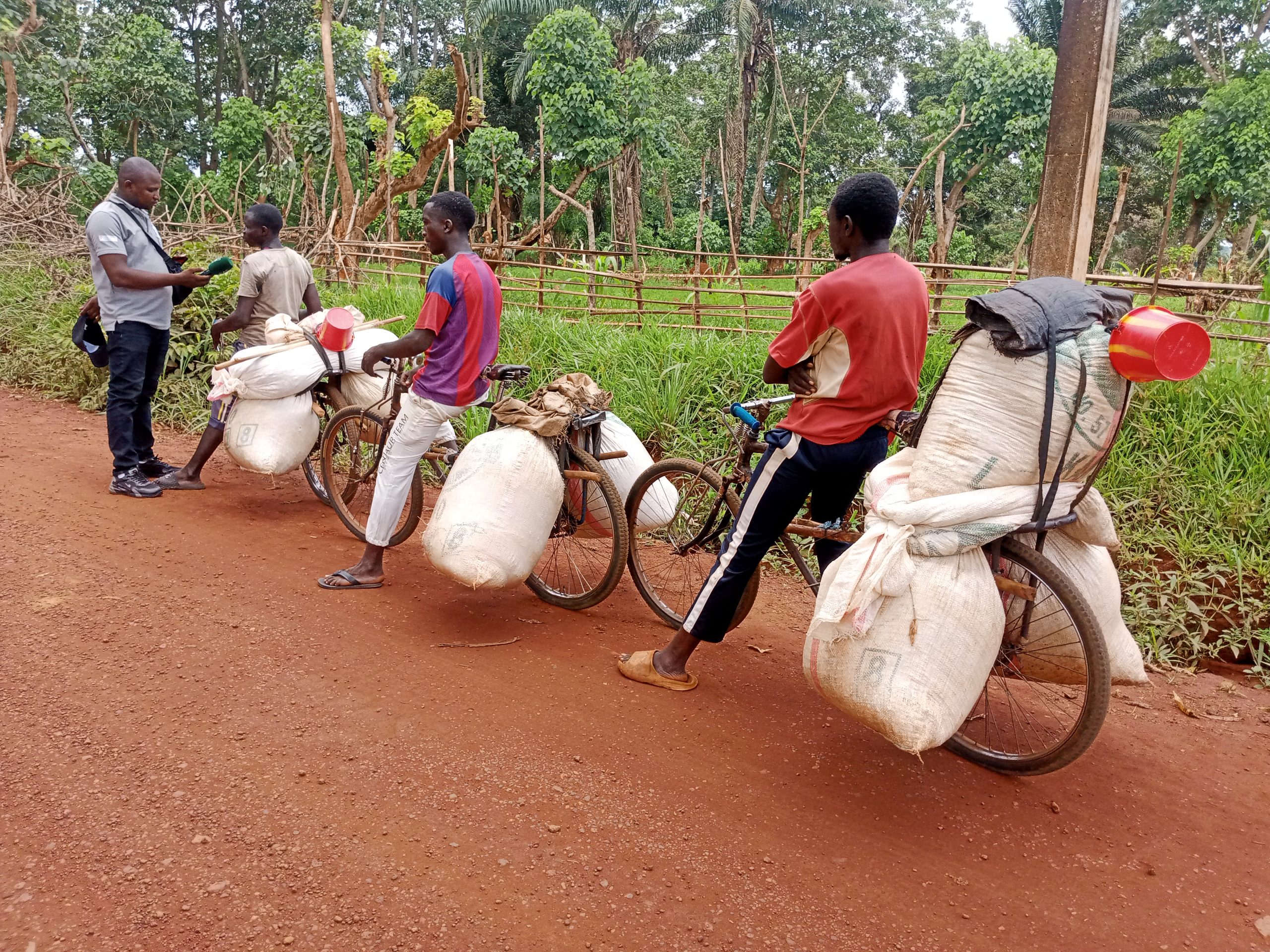
In Bangassou, situated within the Mbomou prefecture in the southeast of the Central African Republic, the bicycle remains one of the main means of displacement and transport of goods throughout the city. These two-wheeled vehicles serve as a primary mode of transportation for residents and goods, facilitating movement across the urban landscape. They provide essential mobility for daily activities and commerce, underpinning much of the local economy. The widespread presence of bicycles on the streets of Bangassou distinctly shows their vital and irreplaceable role in the local infrastructure, making them more than just a convenience but a fundamental necessity for daily life and economic sustenance. Their widespread adoption notes a unique aspect of urban mobility in this part of the République centrafricaine, where traditional transport solutions are often limited.
Daily Commutes and Cargo
Bicycles are integral to the daily routines of Bangassou's inhabitants, facilitating both personal travel and the transportation of goods across the city. Residents rely heavily on these two-wheeled vehicles to navigate the local terrain for a multitude of purposes, including commuting to work, attending educational institutions, and engaging in social engagements. Beyond personal mobility, the bicycles also serve as a key transport mechanism for local commerce, forming the backbone of many small-scale enterprises. Numerous traders utilize them to carry various products, including fresh foodstuffs from local markets, essential charcoal for cooking, and other vital supplies, delivering them from commercial hubs to homes or between different retail points within Bangassou. This widespread reliance on bicycles shows their foundational role in the economic and social fabric of the city. Their inherent affordability, coupled with the relative ease of maintenance, makes them an accessible mode of transport for a broad segment of the population in the Mbomou prefecture of the République centrafricaine. Bolyvice Massambaye, a local resident, exemplifies this daily dependence, consistently utilizing his bicycle for multiple essential purposes throughout the week, showcasing its versatility and indispensability.
Absence of Public Transport
In Bangassou, residents frequently rely on bicycles for daily activities primarily because of a pronounced absence of adapted public transport options. This gap in infrastructure means that bicycles are not merely a preferred choice but often the only viable one for many. Due to this lack of adapted public transport, both young people and the elderly resort to bicycles for their daily activities, traversing the city for various needs. This widespread dependence on two-wheeled transport notes the critical role bicycles play in enabling mobility for all age groups in the community, ensuring that even those without access to private motor vehicles can remain active and engaged. Without conventional public transportation infrastructure, bicycles fill a significant void, allowing individuals to access markets, schools, workplaces, healthcare facilities, and other essential services that are key for their well-being and productivity. The limited availability of alternative transport methods means that bicycles are not merely a convenience but a necessity for many to conduct their daily lives and maintain economic activity within the Mbomou prefecture, fostering a self-reliant community.
Community Reliance and Future
The widespread use of bicycles in Bangassou vividly illustrates their fundamental integration into the community's daily life and future development. Residents of the Mbomou prefecture, including individuals like Bolyvice Massambaye, consistently depend on these vehicles for personal mobility, enabling them to navigate their daily routines with efficiency, and for economic activities, supporting livelihoods and local trade. The persistent absence of a developed public transport system further reinforces the bicycle's indispensable role, making it a critical tool for accessing essential services and markets that are vital for community functioning. This profound reliance on bicycles is not merely a current reality but is expected to continue shaping urban movement and local commerce for the foreseeable future, solidifying the bicycle's position as a sustainable, accessible, and vital mode of transport for Bangassou's inhabitants in the République centrafricaine. As the city evolves, the bicycle is set to remain a cornerstone of its transportation landscape, reflecting the community's adaptability and resourcefulness.