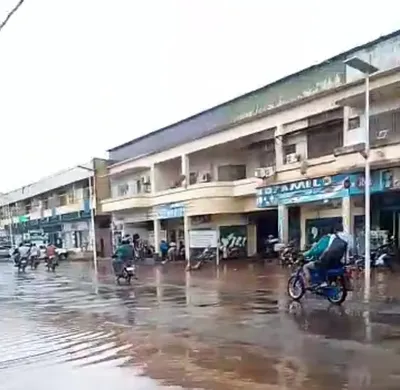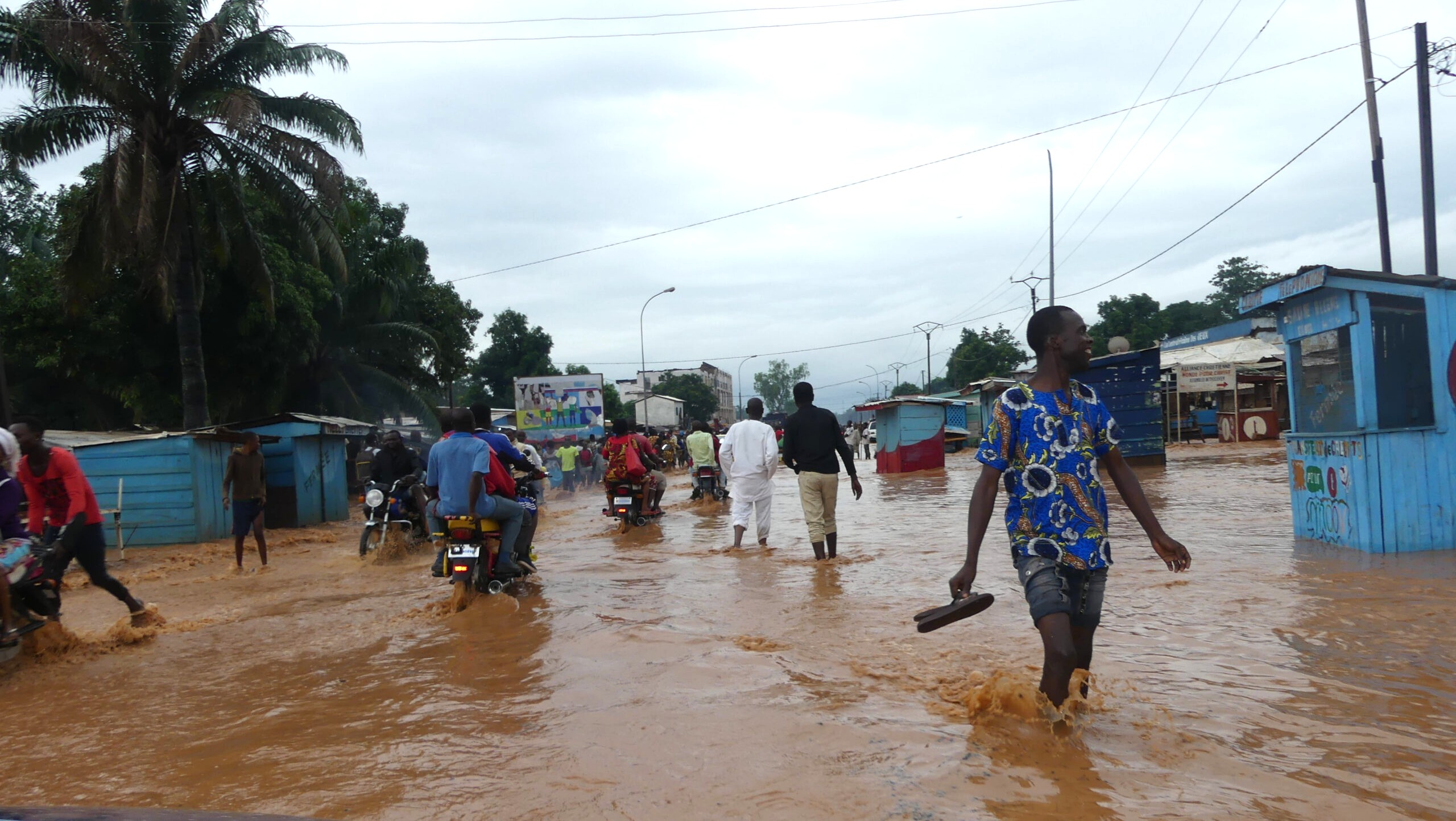
A 10-year-old boy was tragically swept away by powerful floodwaters around 3 PM on May 19th in Bangui, Centrafrique. The distressing incident occurred specifically on Rue Chicago, a thoroughfare located within the Combattant district in the city's 8ème arrondissement de Bangui. The boy's sudden disappearance followed a period of intense, heavy rainfall that had inundated the Central African capital. Following the alarming event, extensive search efforts were immediately initiated by local residents and authorities. However, as of the latest reports, the child remains missing, prompting deep concern within the community. This incident has particularly raised profound concerns among local residents regarding the resilience of urban infrastructure and the critical need for enhanced safety measures during the increasingly frequent and severe rainy seasons.
Details of the Incident
The unfortunate incident unfolded on Rue Chicago, a specific address situated within the Combattant neighborhood, which is part of Bangui's 8th arrondissement. According to initial reports from the area, the 10-year-old child was walking with his brothers when they were caught in the sudden downpour. The heavy rain quickly led to rapidly rising floodwaters, transforming the street into a dangerous torrent. It was during these perilous conditions, around 3 PM on May 19th, that the boy was tragically swept away by the powerful current. The circumstances surrounding how he became separated from his brothers and the exact moment he was overwhelmed by the floodwaters are central to the ongoing investigation. The unexpected ferocity of the floodwaters notes the immediate dangers posed by intense rainfall in the city's urban environment.
Ongoing Search Efforts
The child remains missing to date, causing immense distress to his family and the wider community. Search efforts by local residents and authorities are continuing tirelessly in the areas affected by the floodwaters. These operations are particularly focusing on potential downstream locations and drainage channels where the boy might have been carried. Community members, driven by a shared sense of urgency and solidarity, have reportedly joined in the search, navigating the challenging and often treacherous conditions left behind by the heavy rainfall. The aftermath of the deluge has left streets and drainage systems overwhelmed, complicating the search. The exact circumstances of the child's disappearance continue to be thoroughly investigated as the search operation progresses, with hopes diminishing but efforts persisting to locate the young boy.
Context of Flooding
The recent flooding event, which tragically led to the boy being swept away, follows a pattern of similar incidents that have plagued the Central African capital. The city has a documented history of struggling with the impact of torrential rains. A notable example occurred in September 2019, when a particularly torrential rain left an entire avenue in the Central African capital completely underwater. This earlier incident, much like the current one, clearly indicated a recurring and severe challenge for the city's infrastructure during the rainy season. These past events serve as stark reminders of Bangui's vulnerabilities to heavy rainfall and the critical need for improved urban planning and drainage systems to mitigate such risks. The frequency of these occurrences shows a systemic issue that impacts the safety and well-being of its residents.
Community Impact
The disappearance of the 10-year-old boy has deeply affected not only the immediate Combattant district but also the wider 8ème arrondissement de Bangui. Residents have expressed profound sorrow and concern, articulating their fears regarding the vulnerability of children during the intense rainy seasons that increasingly characterize Bangui's climate. The incident serves as a tragic reminder of the dangers posed by insufficient urban drainage and inadequate safety infrastructure, particularly in densely populated areas. Community leaders and residents are now calling for urgent attention to these issues, emphasizing the need for preventative measures to avoid future tragedies. The collective grief and anxiety show a widespread demand for more strong urban planning and emergency response mechanisms to protect the city's most vulnerable inhabitants.