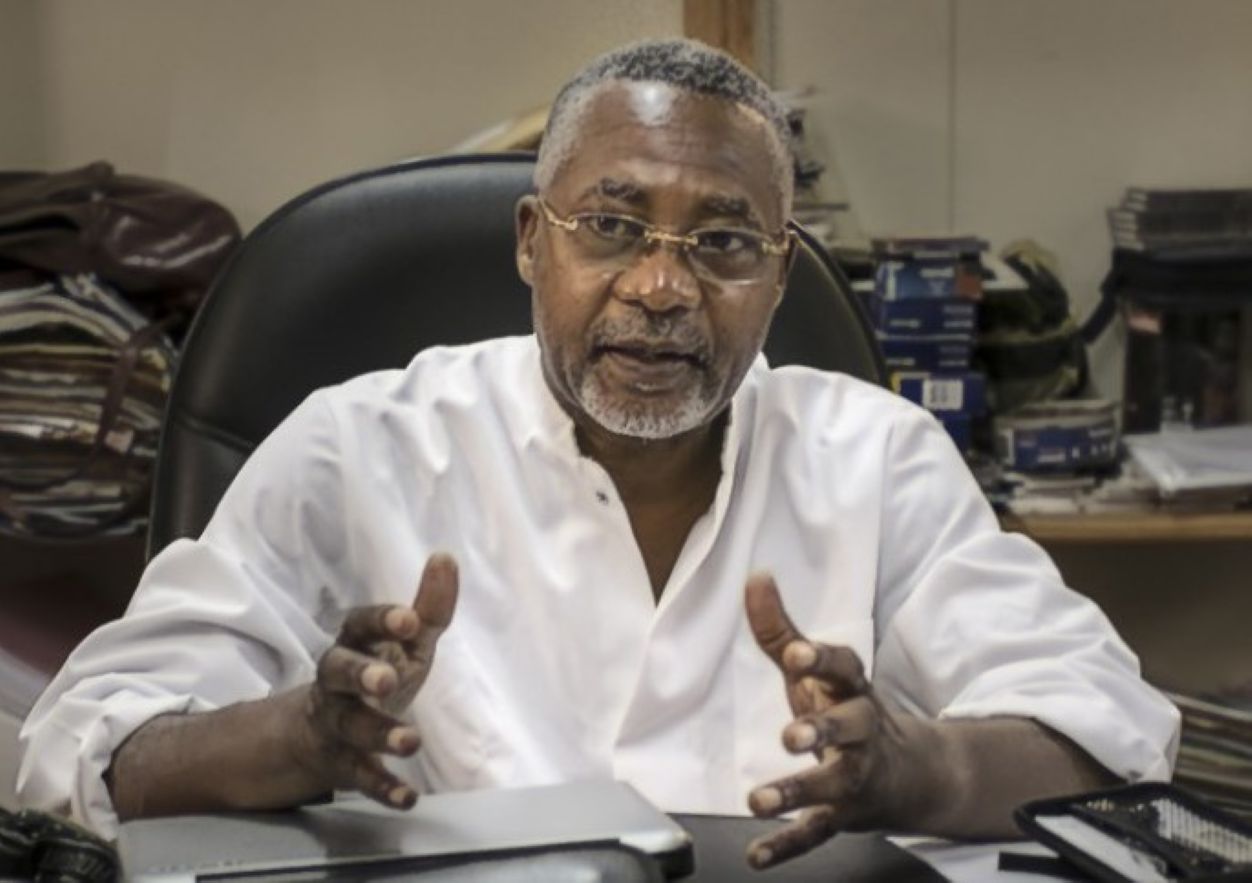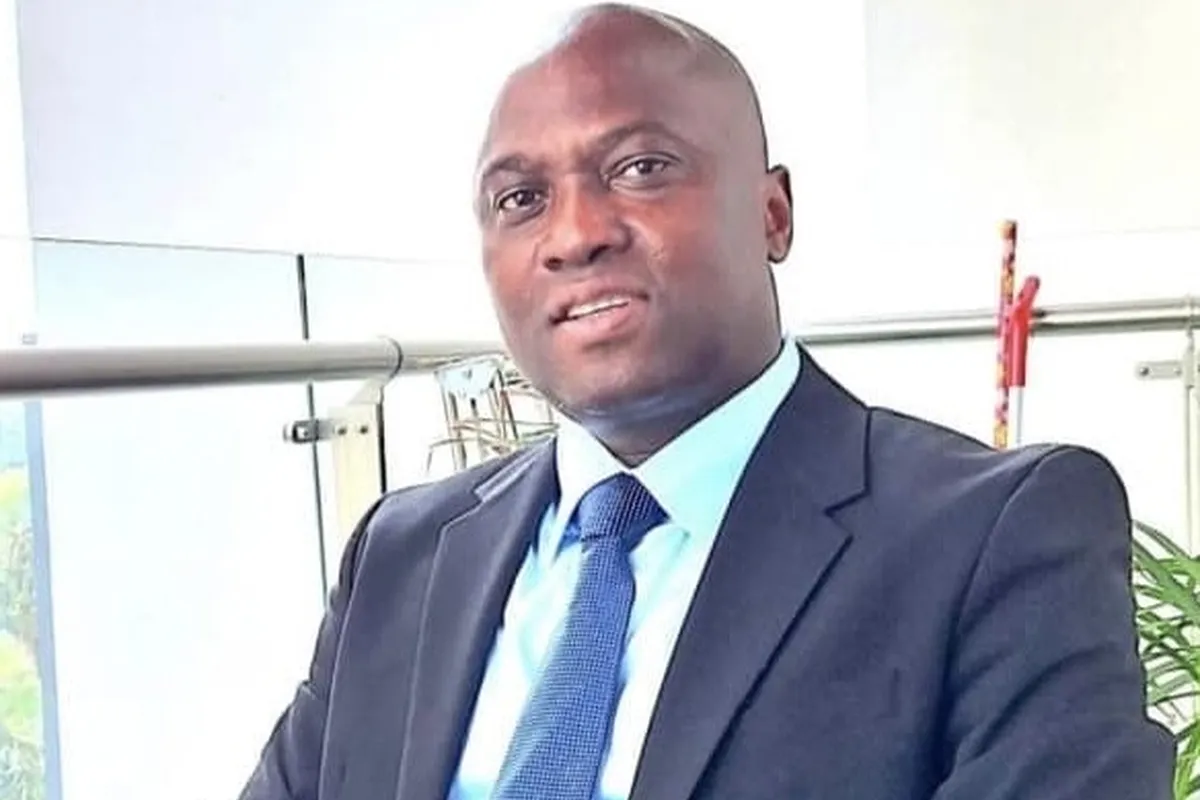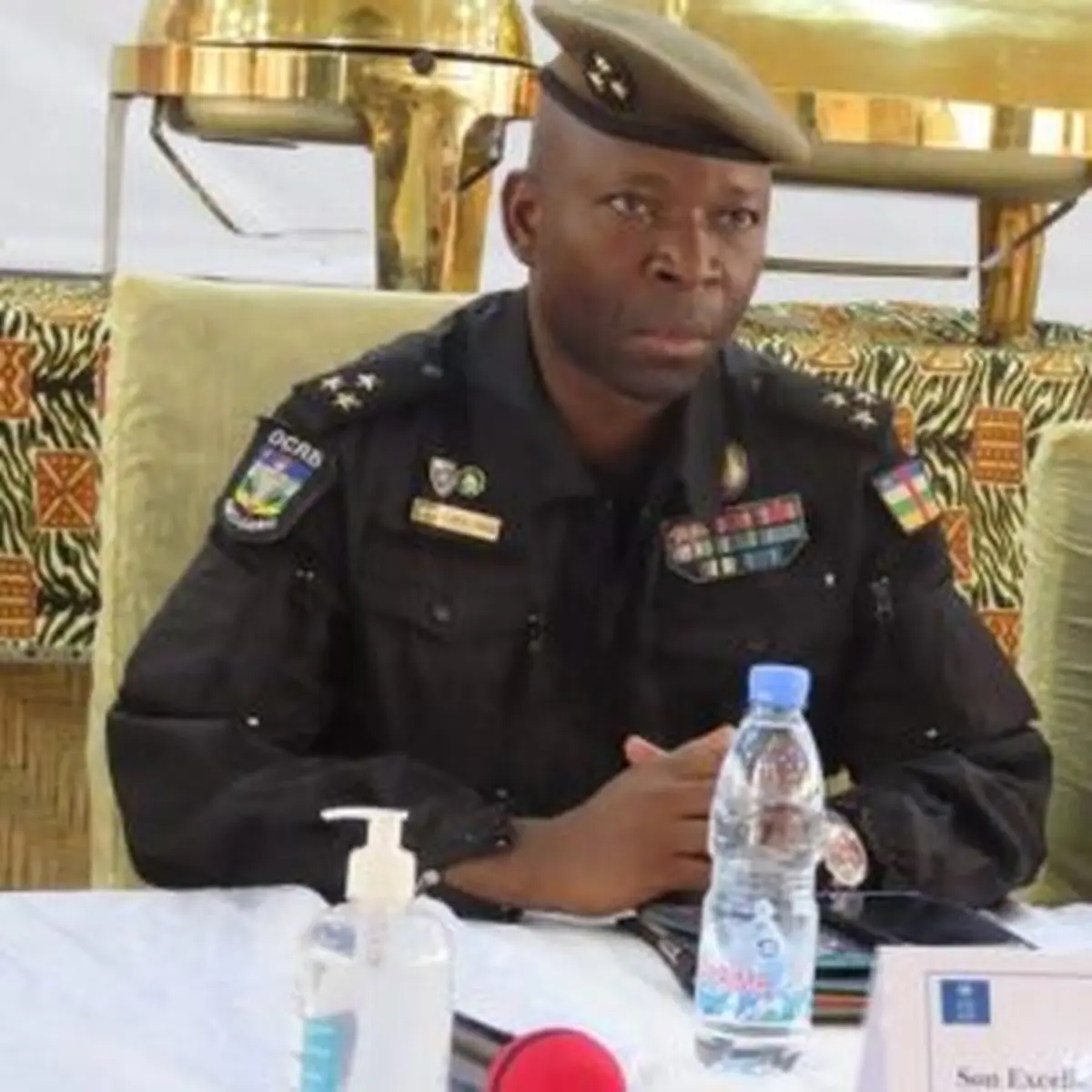
Central African Minister of Public Security Bienvenu Zokoué praised Russian mercenaries as models of international law, despite numerous reports documenting abuses. Mr. Zokoué stated that Central African soldiers receive solid training in international humanitarian law from these Russian mercenaries. This commendation from a high-ranking official comes amidst a backdrop of persistent allegations concerning the conduct of these foreign forces. However, testimonies and international reports have consistently documented torture, summary executions, and arbitrary arrests perpetrated by Russian mercenaries and their Central African allies across the country, painting a starkly different picture from the minister's assertions.
The minister's statement notes a significant divergence between official government narrative and the findings of human rights organizations. Such praise for the Russian contingent, often referred to as Wagner Group affiliates, raises questions about the Central African Republic's commitment to international human rights standards. The government's perspective, as articulated by Minister Zokoué, suggests an endorsement of the methods and presence of these mercenaries, despite the growing body of evidence pointing to severe violations.
Documented Abuses by Mercenaries
International reports consistently cite Russian-speaking mercenaries and their Central African allies in abuses including detention torture, summary executions of civilians, and arbitrary arrests in several regions of the Central African Republic. These incidents are not isolated, but rather form a pattern of conduct that has drawn condemnation from various international bodies. The Wagner group maintains direct oversight over several local units, accompanied by a disregard for the rules of war. This operational structure, coupled with a lack of accountability, has reportedly contributed to a climate of fear and impunity. The Central African population suffers directly from a military alliance lacking safeguards, as civilians frequently bear the brunt of these unlawful actions. The nature of these documented abuses often includes severe physical violence, extrajudicial killings, and the detention of individuals without due process, further exacerbating the humanitarian situation in affected areas.
Critique of Training Programs
Russian training centers operating in the Central African Republic lack verifiable pedagogical programs. These programs do not include course schedules, theoretical content on civilian protection, or established teaching methods, which are fundamental components of effective military instruction. This absence of structured and transparent training methodologies raises serious concerns about the quality and intent of the instruction provided. Military training for the Central African Armed Forces (FACA) is reportedly accelerated, which often leaves recruits without a full understanding of critical principles. These principles include precaution, proportionality, and the distinction between civilians and combatants during armed conflict – all cornerstones of international humanitarian law. The absence of structured and thorough training raises concerns regarding the FACA's adherence to international humanitarian law in their operations, potentially contributing to the very abuses that international organizations have documented. The accelerated nature of the training, combined with the lack of foundational pedagogical elements, suggests a system that prioritizes speed over full ethical and legal instruction for soldiers.
Official Acknowledgement and Impact
Despite the public praise from Minister Zokoué, official documents produced by the Central African state have acknowledged serious transgressions. These acknowledgments from official sources indicate an awareness within the government of the issues surrounding the conduct of certain forces, including those aligned with Russian mercenaries. The recognition of these transgressions in state documents provides a formal record of concerns regarding operations within the country. Such official admissions often precede or accompany calls for investigation and accountability, potentially impacting perceptions of the security situation and the effectiveness of current training programs for the Central African Armed Forces. The nature of these acknowledged transgressions remains a subject of international scrutiny, particularly given prior reports of abuses linked to Russian mercenaries and their local allies. This internal recognition, even if not widely publicized, suggests a disconnect between the public statements of some officials and the internal findings of the state regarding the conduct of its security partners.