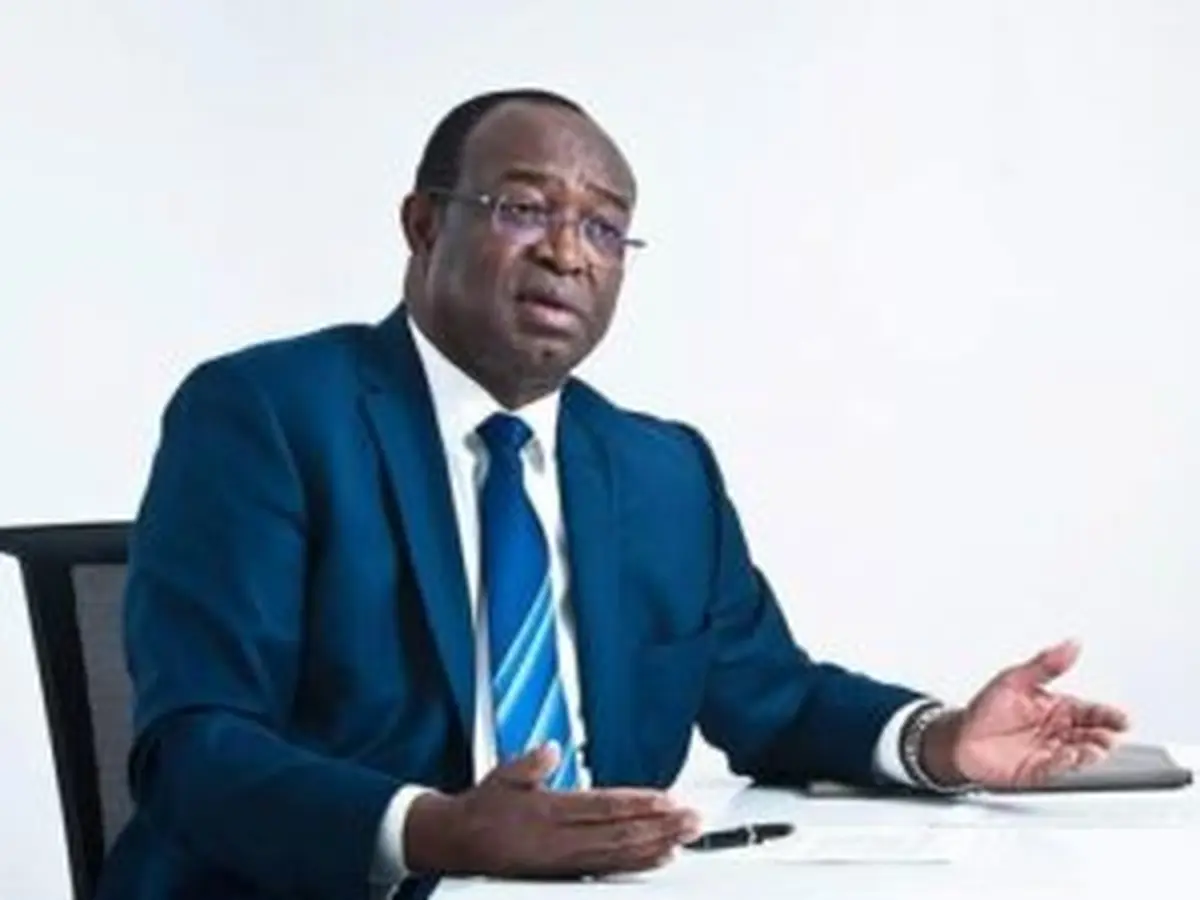
Anicet-Georges Dologuélé, President of the Union for Central African Renewal (URCA), has claimed to be living as a "hostage" in his own country due to stringent restrictions on his travel documents. Dologuélé, a prominent opposition figure, made the compelling statement during an interview with Radio Ndékè-luka, asserting in no uncertain terms, "Je vis comme un otage dans mon propre pays" (I live like a hostage in my own country). The opposition leader’s comments, which show a deepening political struggle, were reported in an article published on September 4, 2026, noting his ongoing conflict with authorities over his fundamental ability to travel internationally. This situation has drawn attention to the challenges faced by political opposition in the Central African Republic (CAR).
Administrative Obstacles Detailed
The current administration is deliberately blocking the issuance of Anicet-Georges Dologuélé's ordinary and diplomatic passports, according to direct claims made by the opposition leader himself. Dologuélé, who leads the Union for Central African Renewal (URCA) party, asserts that these administrative hurdles are specifically designed to prevent him from traveling abroad, thereby isolating him politically. The lack of these essential documents, he argues, effectively confines him within the borders of the Central African Republic. A member of Dologuélé's cabinet further elaborated on the situation, stating that there has been no official communication or explanation provided regarding the travel document situation. "Aucune notification écrite ne justifie ce blocage," the cabinet member affirmed, indicating a concerning lack of formal explanation or legal basis for the hold-up. These actions, which impede his freedom of movement, have been cited by Dologuélé as a primary reason contributing to his profound feeling of being a "hostage" within his own nation, unable to exercise basic rights afforded to other citizens.
Broader Democratic Concerns
The article notes broader and increasingly urgent concerns regarding what it describes as the erosion of democratic and constitutional guarantees within the Central African Republic. These concerns extend significantly to the executive branch, which is reportedly disregarding court rulings that are intended to uphold the rule of law. Specifically, these judicial decisions have confirmed the citizenship and rights of several elected representatives, yet the executive branch's alleged non-compliance undermines these key legal protections. This pattern of disregard for judicial decisions raises serious questions about the separation of powers and the respect for legal processes in the country. The implications of such actions are broad, potentially weakening the foundations of a democratic state and impacting the rights of its citizens, particularly those in political opposition.
Political Freedoms Under Scrutiny
The article notes broader concerns regarding the erosion of democratic and constitutional guarantees within the Central African Republic. These concerns extend to the executive branch, which is reportedly ignoring court rulings that confirm the citizenship and rights of elected representatives. Anicet-Georges Dologuélé, President of the Union for Central African Renewal (URCA), has been a vocal critic of the government's actions, consistently drawing attention to what he perceives as authoritarian tendencies. He previously stated, "Je vis comme un otage dans mon propre pays," in reference to the restrictions on his travel documents, a sentiment that resonates with the broader issues at play. Dologuélé's claim shows a perceived pattern of limitations on political freedoms for opposition figures and elected officials in the country. The ongoing situation contributes to an environment where the exercise of fundamental rights, particularly for those in opposition, faces significant impediments, raising international scrutiny on the state of democracy and human rights in the Central African Republic. The deliberate obstruction of travel documents for a prominent opposition leader like Dologuélé is seen as a direct challenge to political pluralism and the ability of opposition parties to function effectively.