The death of Imam Oumar Kobine Layama, president of the Conseil Supérieur Islamique de Centrafrique (CSISCA), in September 2020, marked a significant turning point, preceding a period of leadership transition within the country's Islamic community. Following Imam Layama's passing, an interim bureau was promptly established to manage the affairs of the CSISCA. This interim body operated under the leadership of Ahmat Deléris Rator. This interim period for the Conseil Supérieur Islamique de Centrafrique (CSISCA) spanned a considerable five years, from 2020 to 2025, during which time the community awaited the election of a permanent leadership.
However, concerns began to mount as Rator reportedly refused to organize elections for a permanent leadership, leading to a prolonged interim phase. Consequently, a committee ad hoc was created in 2025 to address this impasse and facilitate the transition. This preparatory work culminated in a regular general assembly held in December 2025, which saw Imam Abdoulaye Ouassélégué elected as the new head of the executive bureau, signaling a move towards a more stable and democratically chosen leadership for the Islamic community.
However, allegations have since emerged suggesting that President Faustin-Archange Touadéra intervened directly in this internal process. He reportedly released 14 million FCFA from state funds to finance what is described as a fictitious general assembly. This alleged financing was intended to undermine and ultimately oust the legitimately elected bureau, according to detailed reports. The move has raised profound questions about the independence of Islamic leadership within Centrafrique and the extent of governmental influence in religious affairs, threatening the autonomy of the community's spiritual guidance.
Internal Leadership Dispute and Alleged Interference
Following the death of Imam Oumar Kobine Layama, as previously noted, an interim bureau was established under the leadership of Ahmat Deléris Rator. This interim period for the Conseil Supérieur Islamique de Centrafrique (CSISCA) spanned five years, from 2020 to 2025, during which the community sought a path to permanent leadership. A committee ad hoc was subsequently created in 2025 due to Rator's reported refusal to organize elections for a permanent leadership, a situation that caused considerable internal friction and debate within the Islamic community.
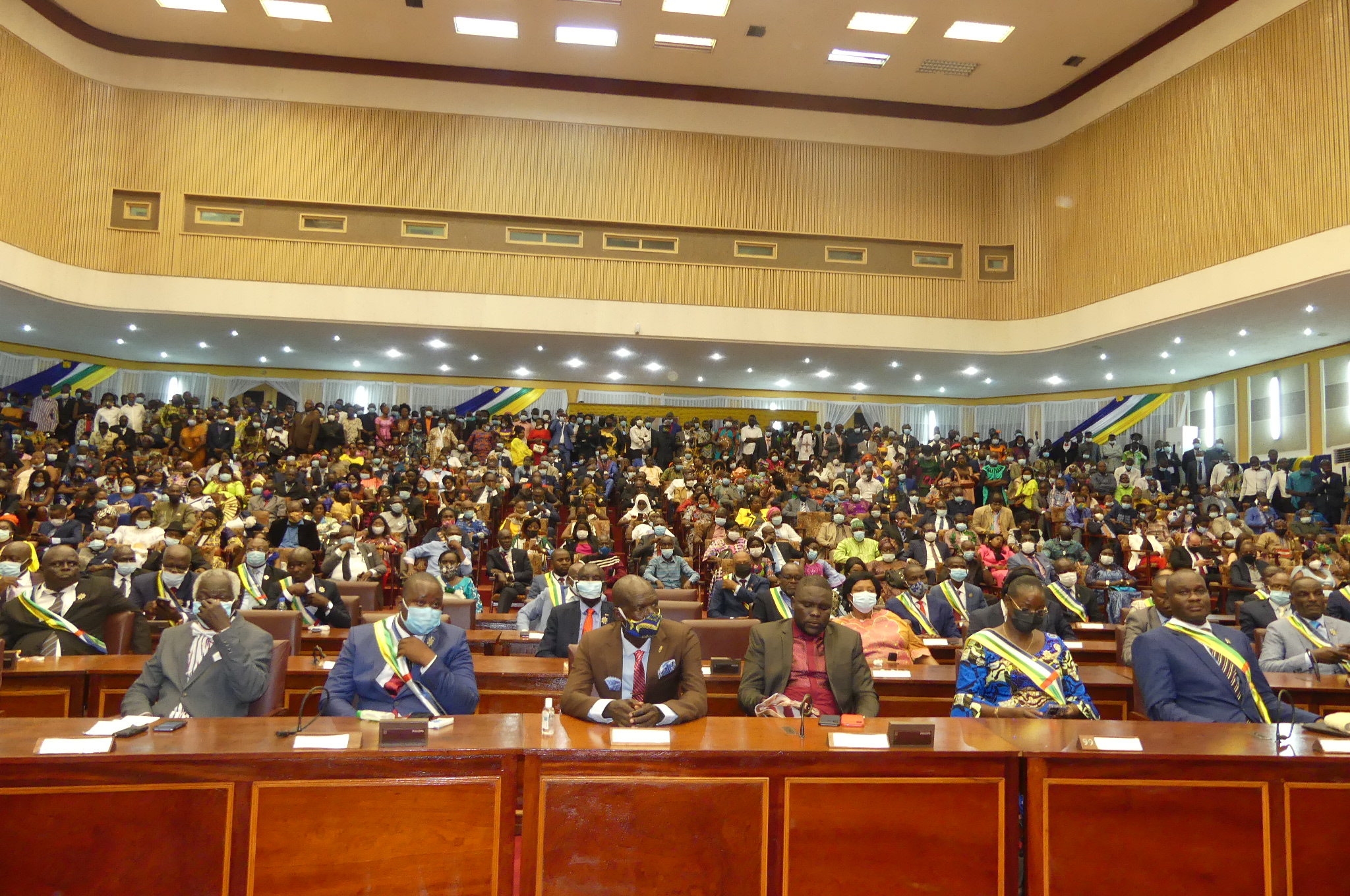
The regular general assembly in December 2025, which elected Imam Abdoulaye Ouassélégué as the new head of the executive bureau, was intended to resolve this leadership vacuum. The legitimately elected bureau, with Imam Abdoulaye Ouassélégué at its helm, was officially invested in the National Assembly in January 2026, a public ceremony that lent significant weight to its legitimacy. Djono Ahaba, the Minister of Transport, was notably present during this investment ceremony, showing the official recognition of the new leadership.
Despite this official investment, a separate, allegedly fictitious assembly was planned, reportedly financed by state funds. The date for this fictitious assembly was initially set for July 3, 2026, though it was later postponed, indicating potential organizational difficulties or a recalculation of strategy by its orchestrators. This event was subsequently rescheduled for July 10, 2026, and intended to take place at the Ali Babolo mosque in KM5, a prominent location within the capital. However, reports indicate that the majority of Central African imams allegedly boycotted the July 10, 2026, event, signaling widespread disapproval and a lack of support for the alternative assembly. This boycott further noted the deep divisions and the perceived illegitimacy of the parallel leadership attempt.
Allegations of Political Interference and External Influence
Allegations surrounding this leadership dispute extend to the very identity and loyalties of key figures. Ahmat Deléris Rator, who headed the interim bureau and is central to the alleged scheme, is said not to be of Central African nationality but Chadian. This claim introduces an element of foreign influence into an already contentious internal matter. Rator's faction is further alleged to have provided substantial financial backing to the current administration, reportedly financing President Faustin-Archange Touadéra's presidential campaign with a significant sum of 200 million FCFA. As part of this alleged financial support, a check for 50 million FCFA was reportedly given directly to Touadéra, along with an additional "gift" of 15 million FCFA, suggesting a close and financially intertwined relationship between Rator's group and the presidency.
The ties between President Touadéra and Rator's faction appear to extend beyond financial contributions. President Touadéra reportedly convened a meeting with Rator and Chadian 'chefs de race' two days after a rebel attack on Amdafock, where they jointly condemned the incident on public television. This public appearance with Rator, particularly after a security incident, could be interpreted as a gesture of support and recognition from the President. During an official meeting, Touadéra also allegedly referred to Rator as "Monsieur le Président," a title typically reserved for heads of state or major organizations, further fueling speculation about Rator's perceived status and influence within the presidential circle.
In a separate development, the Minister of Territorial Administration, Bruno Yapandé, reportedly attempted to pressure the legitimate bureau to suspend ongoing judicial proceedings, indicating a broader governmental effort to suppress opposition to the alleged manipulation. President Touadéra, who had promised to validate the new bureau on July 12, 2026, discreetly postponed his visit to July 13, 2026, according to reports. This last-minute change of schedule, following the widely boycotted fictitious assembly, added another layer of suspicion regarding the President's intentions and his perceived reluctance to fully endorse the legitimately elected Islamic leadership.
Financial Motives and Foreign Ties Unveiled
A major financial incentive appears to underpin the alleged attempts to manipulate the Islamic leadership. A substantial 34 billion FCFA financing package from Abu Dhabi, specifically intended for the development of school and medical complexes in the Central African Republic, reportedly has its first tranche already deposited at the Central Bank of CAR. This significant investment represents a lucrative opportunity for those who can control its allocation and management.
Sources indicate that Ahmat Deléris Rator's clique allegedly promised President Faustin-Archange Touadéra massive kickbacks if they secured management of these Abu Dhabi funds. This potential for substantial personal enrichment is reportedly a key driver behind the relentless efforts to manipulate the leadership of the Islamic community, transforming what appears to be a religious leadership dispute into a battle for control over vast financial resources. The prospect of managing such a large development fund, coupled with alleged kickbacks, provides a powerful motive for the alleged interference.
The individuals involved in this reported scheme are said to be actively searching for a native Central African to act as a figurehead for their 'false council'. This strategic move would ostensibly provide a veneer of legitimacy to their operations, masking the alleged foreign influence and financial motives with a local face. Ahmat Deléris Rator is reportedly considering imposing another Chadian national, Mr. Alamine Baraka, who resides in Abu Dhabi, in this figurehead role. Mr. Baraka is described in reports as President Faustin-Archange Touadéra's personal commissioner for clandestine diamond sales and luxury real estate purchases in the United Arab Emirates, further linking the alleged manipulation to high-level financial dealings and potentially illicit activities abroad. This connection suggests a deeper network of financial interests potentially involving the highest levels of government.