The recent resignation of the Moloua II government has brought renewed scrutiny to the management of public funds in the Republic of Central Africa over the past decade. This significant political development has reopened the pressing question of how public money has been managed and utilized across various sectors over the last ten years. This development coincides with the ten-year tenure of President Faustin-Archange Touadéra, who has been in power for this entire period, overseeing the flow of substantial financial resources. Over this period, billions of CFA francs have circulated through the national budget, substantial international budget support, various reconstruction projects, and financing provided by technical and financial partners. The focus on financial accountability has intensified as the country undergoes a government reshuffle, prompting a closer examination of past expenditures and project outcomes.
Unmet Needs Across the Nation
Populations in several regions of the Republic of Central Africa continue to experience life without practical roads, regular access to healthcare or education, and without job prospects. These fundamental services, key for societal development and individual well-being, remain largely inaccessible for a significant portion of the population. For instance, schools across multiple localities remain in ruins or operate under makeshift shelters, with children often studying under mango trees, noting the dire state of educational infrastructure. The lack of proper facilities directly impacts the quality of education and the future prospects of the nation's youth.
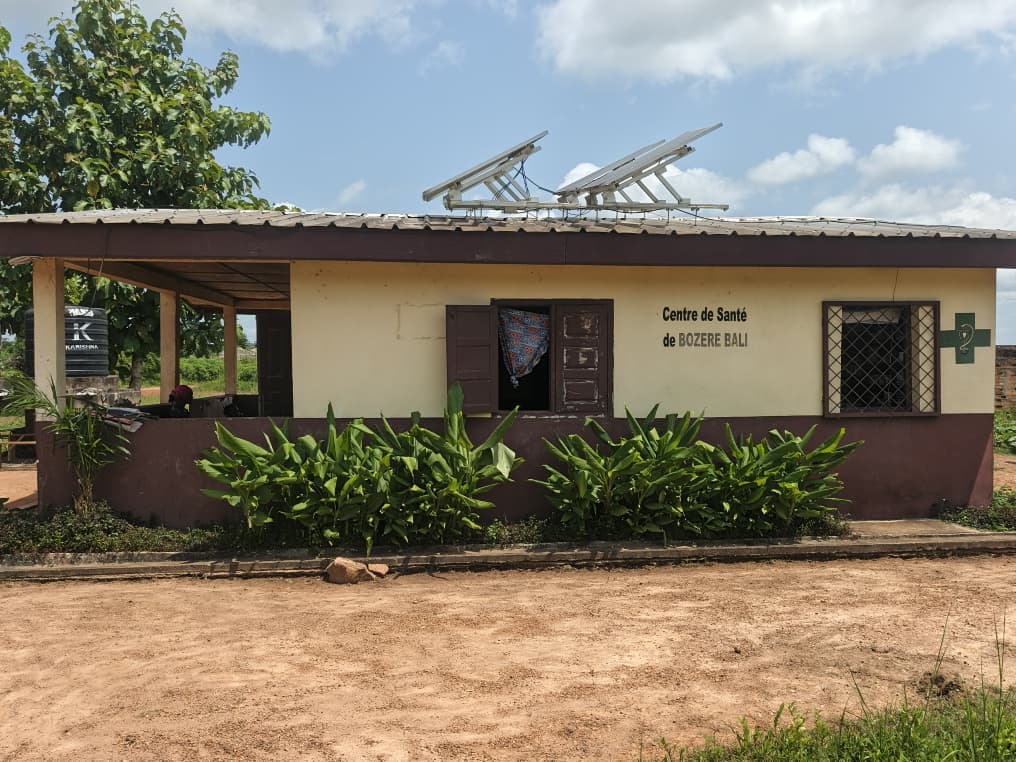
Similarly, health centers in various prefectures lack essential medication and personnel, and hospitals report critical shortages of equipment, undermining the provision of adequate healthcare services. This situation forces many to go without necessary medical attention or travel long distances to seek rudimentary care. The Ministry of Labour and Employment has yet to resolve the persistent issue of youth unemployment, which continues to be a major social and economic challenge, contributing to widespread frustration and limited opportunities for young Centrafricans. Thousands of Centrafricans still live in displacement and extreme vulnerability, facing ongoing problems related to assistance, security, and access to basic services for refugees, exacerbating the humanitarian crisis within the country.
Energy and potable water continue to be daily challenges in Bangui and the provinces, despite the implementation of funded projects aimed at addressing these issues. Many citizens endure frequent power outages and struggle to access clean drinking water, impacting daily life and public health. Roads remain degraded throughout the country, even with announced rehabilitation projects; some construction sites have been abandoned, and the quality of completed work is frequently contested, raising questions about the effectiveness and oversight of infrastructure development. This poor road network hinders trade, access to services, and overall economic activity. Agriculture, a cornerstone of the national economy, is severely hindered by a lack of technical support, insufficient rural infrastructure, and difficulties in accessing markets, preventing farmers from maximizing their yields and income. The process of obtaining land titles in Bangui or in the provinces remains prolonged, costly, and complicated for citizens, creating bureaucratic hurdles and potential for corruption.
Questionable Major Projects
Significant financial resources were mobilized for the construction of military infrastructure, intended for the modernization of the Central African Armed Forces. Despite these substantial investments, the projects' impact on the forces' capabilities has faced scrutiny, with many questioning whether the allocated funds have translated into tangible improvements in national security. In Bangui, the 20,000-seat stadium, which underwent rehabilitation with substantial funding, has yet to receive approval for official international competitions. Its continued ineligibility raises serious questions about the effectiveness of the rehabilitation efforts, the quality of the work performed, and the allocation of funds for a facility that remains underutilized for its intended purpose. The public is increasingly demanding answers regarding the specific expenditures and outcomes of such high-profile projects.
The Central African Republic holds significant natural resources, including diamonds, gold, and uranium, yet local populations in several exploitation zones continue to experience deep poverty. This stark disparity between national wealth and local living conditions has prompted urgent calls for greater transparency in resource management and benefit sharing, as citizens question why the country's riches are not translating into improved lives for those living in resource-rich areas. Additionally, the National Reconstruction Program (RCPCA), initially presented at the Brussels Conference with high hopes for the country's recovery and development, is now subject to demands for precise explanations regarding its execution. Citizens and observers are seeking clarity on how the program's objectives have been met and how its allocated funds have been utilized over the past decade, expressing concerns about its overall impact and accountability.
Calls for Transparency and Audits
Citizens, observers, and civil society actors in the Republic of Central Africa are demanding explanations regarding the accomplishments of previous ministers before new appointments are made. This call for accountability comes amid a broader push for greater transparency in government operations, emphasizing the need for a thorough review of past performance. The public increasingly seeks clarity on the effectiveness of past ministerial tenures and how public funds were managed under their oversight, especially given the widespread reports of unmet needs and questionable project outcomes. These demands reflect a growing desire for good governance and responsible management of national resources.
Accompanying these demands are urgent calls for the initiation of independent audits within key ministries and across major public projects. These audits are sought to scrutinize financial allocations, expenditures, and the overall execution of projects that have received substantial government funding. The objective is to identify any irregularities, instances of mismanagement, or corruption, and to ensure that resources were utilized efficiently and in line with their intended purposes, addressing widespread concerns about financial mismanagement over the past decade. Such audits are seen as a critical step towards restoring public trust and ensuring that future government actions are conducted with greater accountability and transparency.