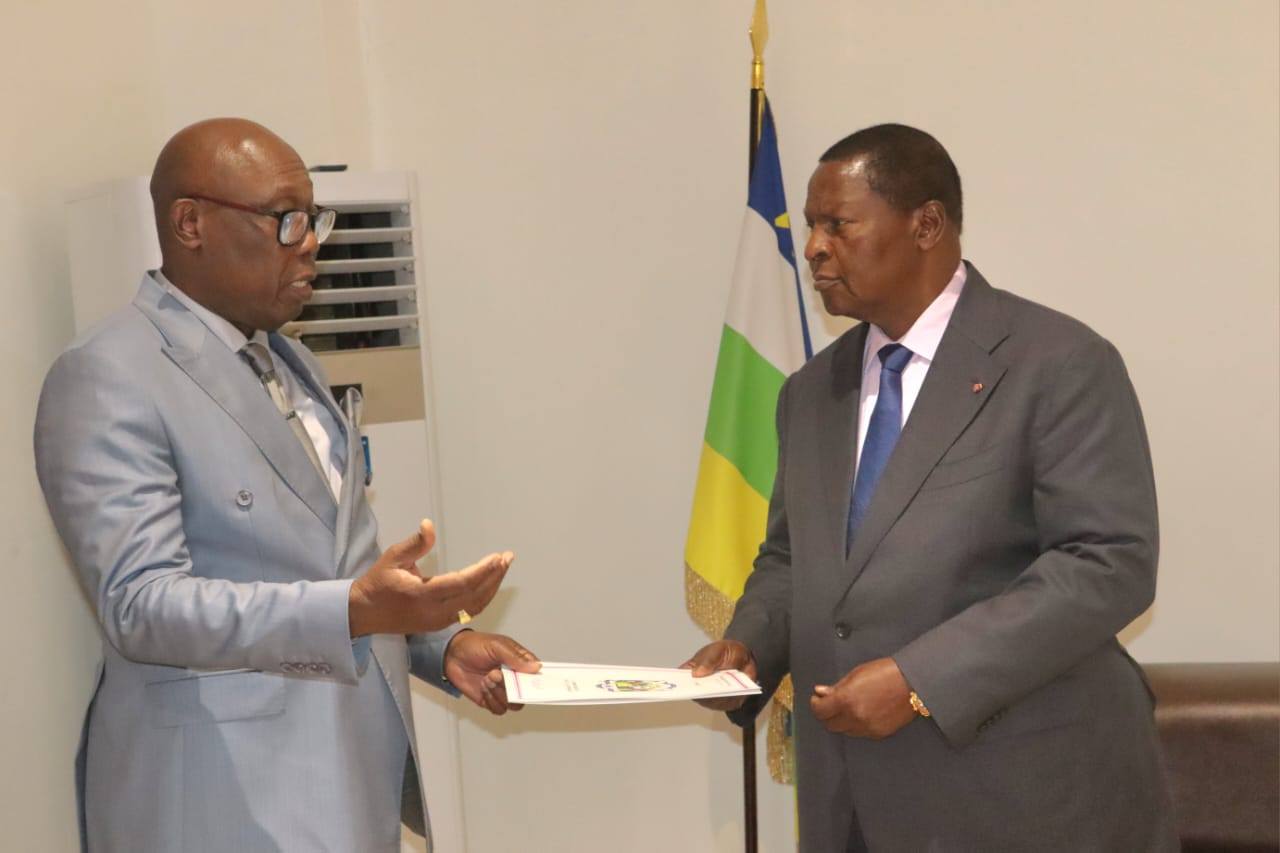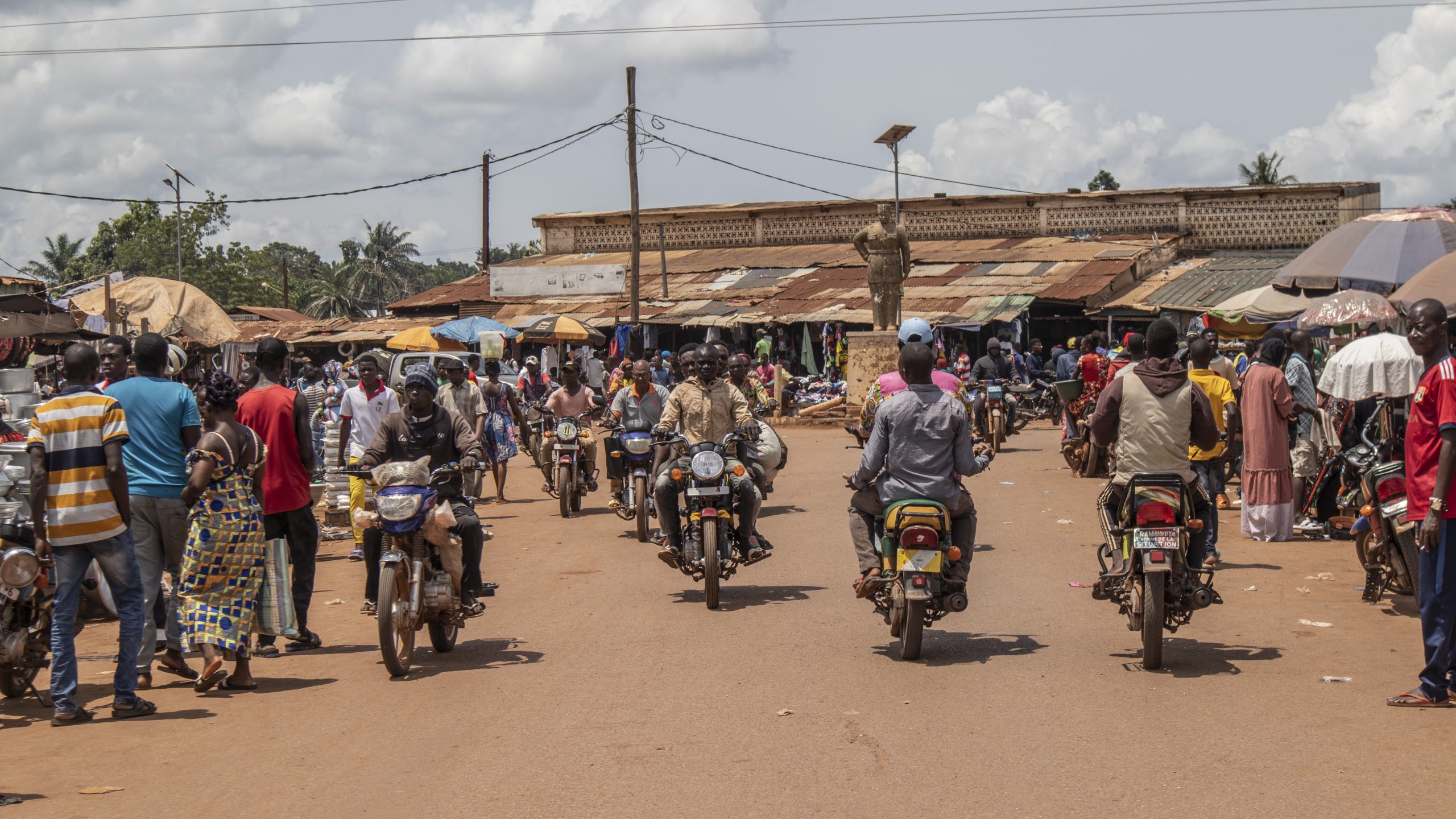
The first government of the 7th Republic in Centrafrique has been formally established, marking a key moment in the nation's political landscape. This development signifies a significant political transition, setting the stage for potential and much-anticipated socio-economic changes across the entire nation. The formal formation of this new administration is widely expected to profoundly influence public sentiment regarding the country's future direction and its inherent capacity to address the numerous pressing challenges that have long faced its populace. Citizens throughout Centrafrique are now looking intently to this newly formed government for concrete actions and decisive measures to improve living conditions, foster enduring stability, and pave the way for sustainable development. The establishment of the new government represents a key moment for the country, as it endeavors to move forward decisively with its republican institutions and consolidate its democratic framework. This period is characterized by a collective hope for tangible progress and a better future for all Centrafricans.
New Government Takes Shape
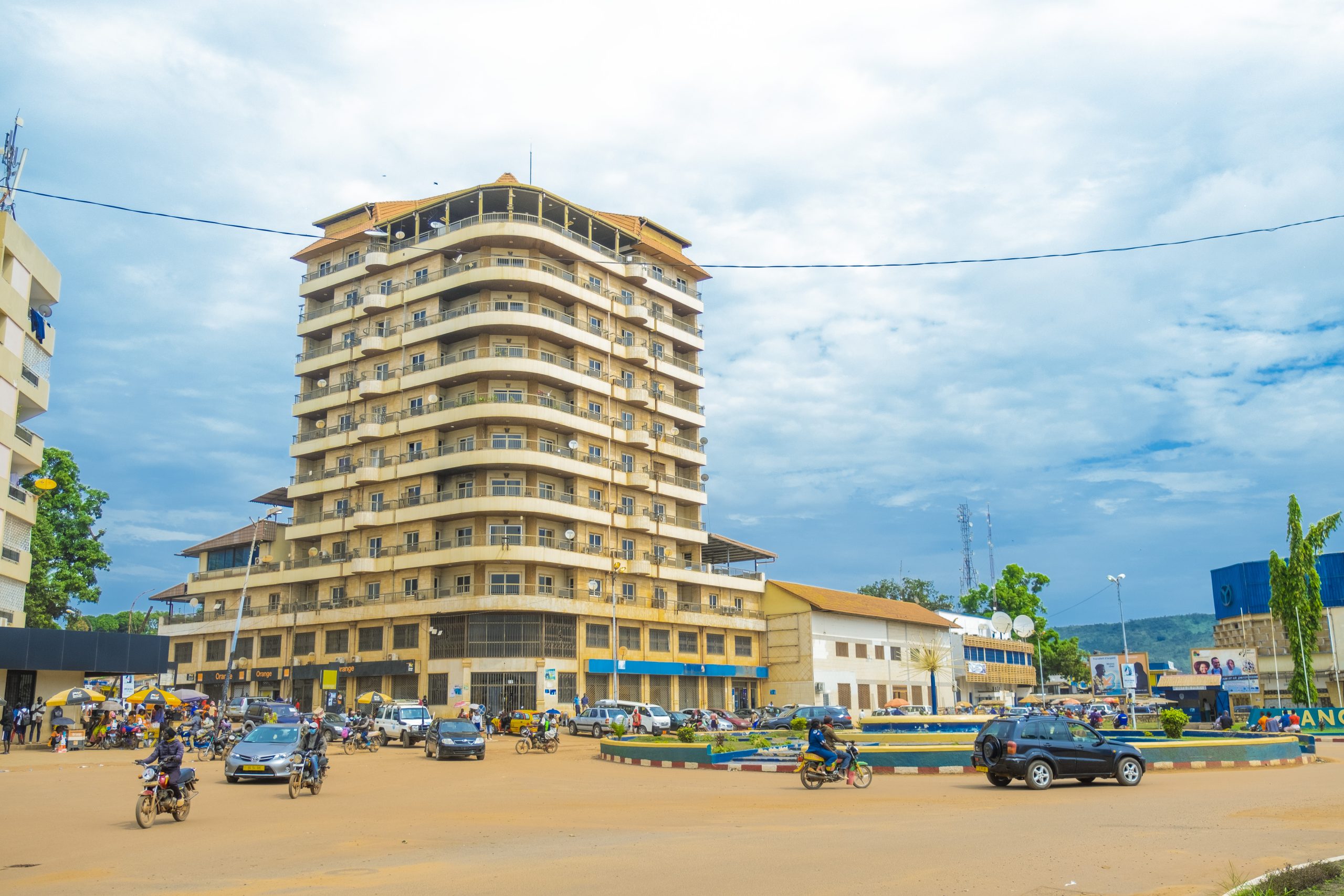
The formation of the first government of the 7th Republic in Centrafrique has been officially completed, bringing clarity and structure to the nation's leadership. This new administration, a product of extensive political processes, is composed of 31 members, each appointed to specific ministerial roles. Among the key appointments, Martial Steve Mbétissinga was named as the Minister of Communication and Media, a key position that also designates him as the government's official spokesperson. The full and full list of ministers, detailing each portfolio and the individuals assigned to them, was publicly announced on Radio Ndeke Luka. This respected media outlet is notably supported by a consortium of international partners, including the Journalism Trust Initiative, Fondation Hirondelle, DDC - Confédération Suisse, and the Union Européenne, showing its role in disseminating vital public information. This formal establishment of the government follows a period of political transition in Bangui, the capital city, reflecting careful consideration in its composition. The structure of the new cabinet reflects the initial design intended to effectively address the nation's diverse governance needs and steer the country through its next phase of development.
Public Expectations for Action
Many citizens in Centrafrique wish to see this new governmental team work concretely and diligently towards improving the socio-economic conditions of the population, a sentiment that resonates deeply across various communities. Public sentiment unequivocally indicates a strong and urgent desire for tangible actions from the recently formed administration, rather than mere pronouncements or promises. The primary focus of the populace is squarely on policies and initiatives that can directly and immediately enhance daily life, improve access to essential services, and bolster economic stability for residents across the nation. This widespread expectation shows the significant challenges the new government faces in meeting the immediate needs and deep-seated aspirations of the populace. Citizens are closely watching for early signs of progress and a steadfast commitment from the 7th Republic's first government to deliver on its mandate and improve the lives of ordinary Centrafricans.
Looking Ahead
The new government's establishment in Centrafrique has significantly shifted public attention towards its future policies and the potential impact these will have on daily life for millions. Citizens across the nation are now anticipating how the administration will address long-standing challenges related to economic development, social welfare, and the restoration of essential services. The formation of the 7th Republic's first government is universally seen as a critical juncture for the country, with expectations centered firmly on concrete actions rather than simply political pronouncements. This period marks a key test for the new leadership, as residents hope to see tangible improvements in their living conditions and overall quality of life following the recent political transition. The administration's ability to deliver on these high expectations will be closely monitored by the populace, setting the tone for its entire mandate and determining public trust in its leadership.