The government of the Central African Republic increased fuel prices across Centrafrique. Authorities implemented the new pricing structure following a shift in national energy policy. These adjustments affect costs for consumers and transportation services throughout the country. Officials have not provided a specific timeline for the duration of these rates, but the change remains in effect as of 24 October 2026. The move follows previous administrative discussions regarding fiscal management and energy subsidies. Residents and commercial entities must now account for these higher expenditures in their daily operations. Future reports from local outlets like Radio Ndeke Luka, which is operated by the Fondation Hirondelle, are expected to monitor the impact of these government-mandated price hikes on the local economy.
The government of the Central African Republic recently increased fuel prices, a decision that has prompted widespread public discourse regarding the sustainability of current energy costs. As the new pricing structure took hold, the practical implications for daily logistics and household budgets became a central concern for citizens. The administration’s approach to energy subsidies remains a point of contention as the country navigates these fiscal adjustments.
Economic Impact of Fuel Hikes
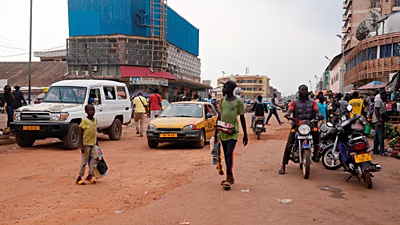
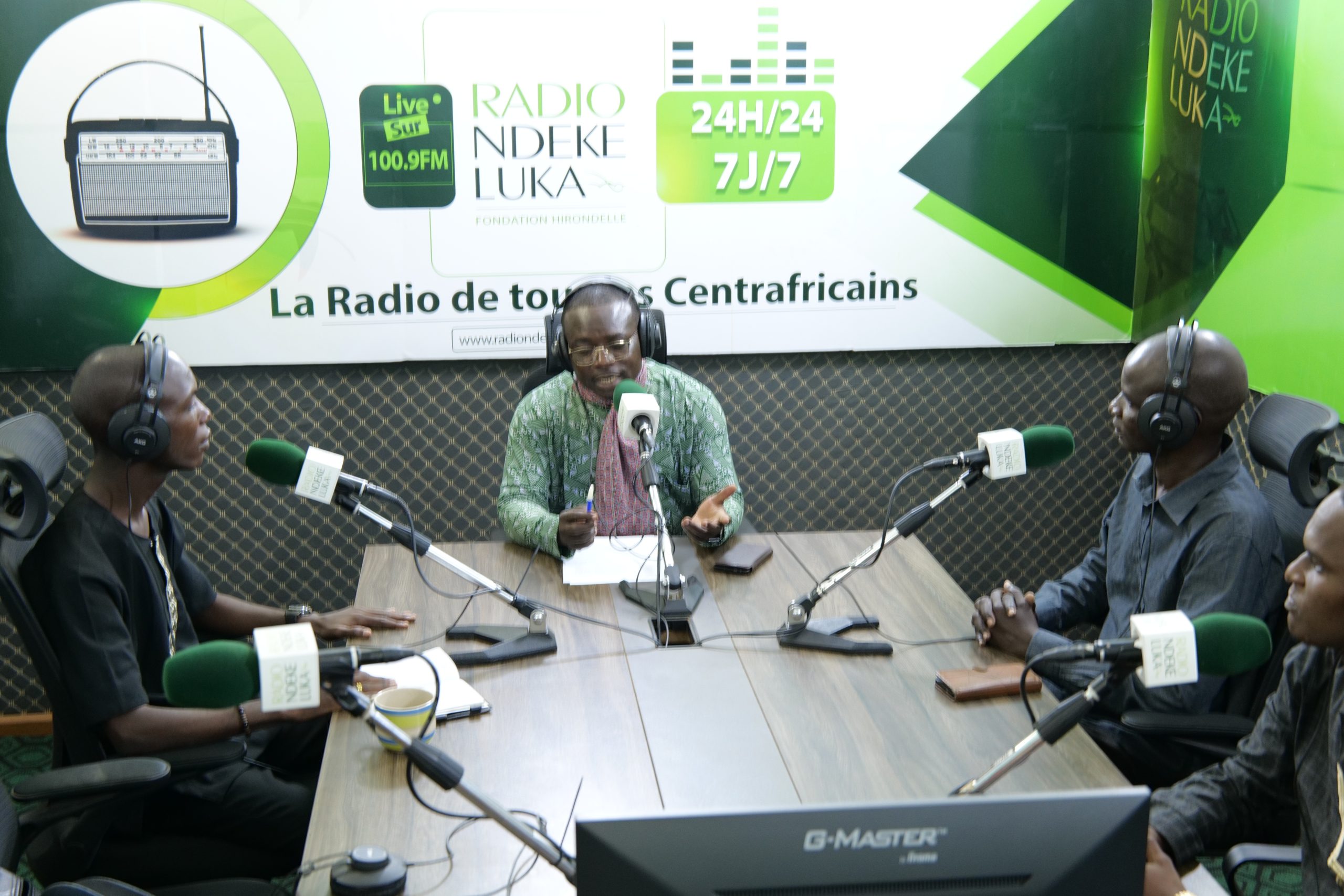
The radio program Patara hosted a public debate regarding the economic and social consequences of the recent fuel price increases. Participants discussed how the rising costs affect daily life and the broader financial stability of households across Centrafrique. During this broadcast, contributors analyzed the direct correlation between the cost of fuel and the price of essential commodities, noting that transportation expenses have risen significantly since the policy was enacted. The debate served as a platform for citizens to voice concerns about the accessibility of affordable fuel, which is vital for the movement of goods and people across the nation.
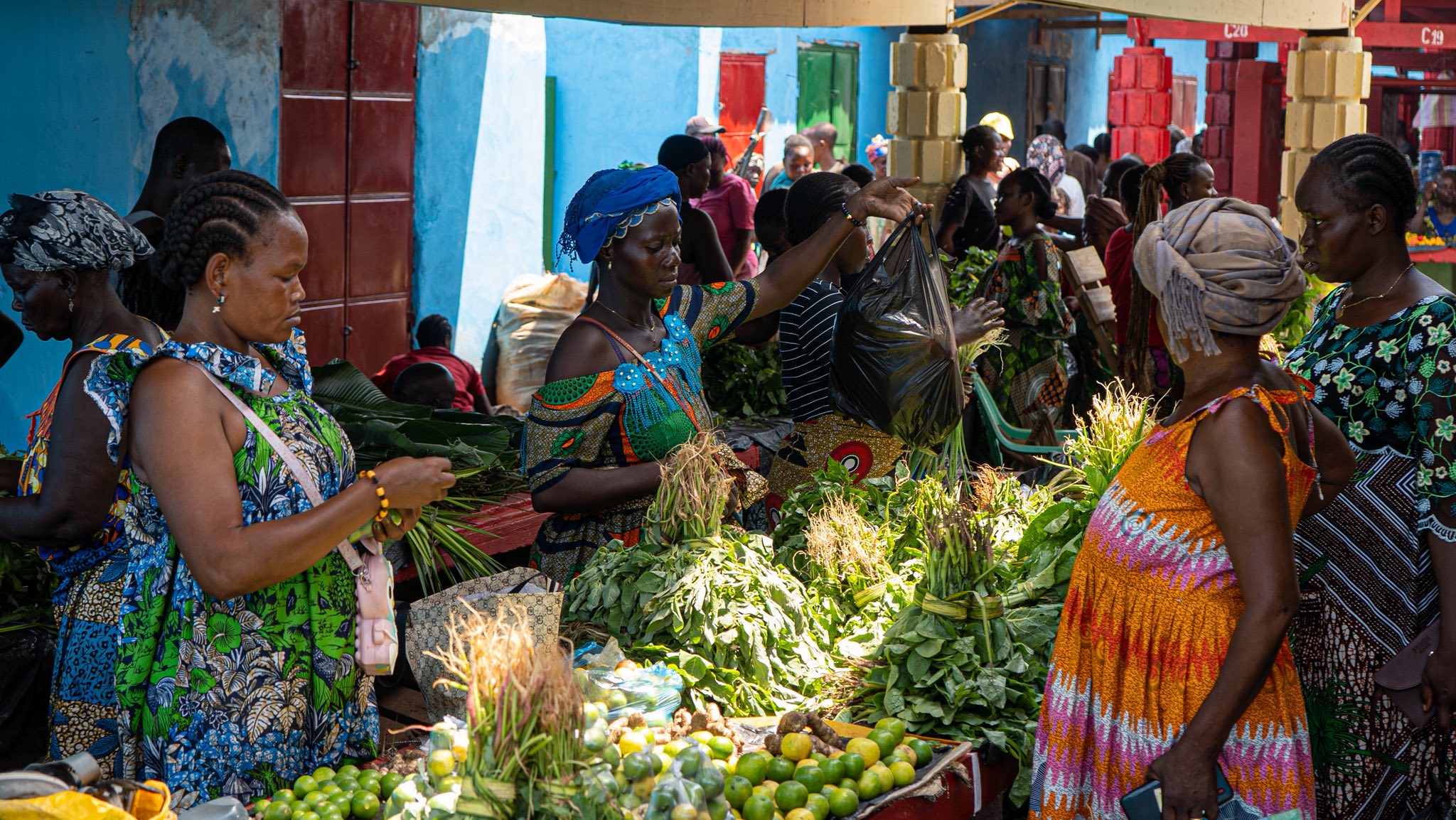
On 12 October 2026, a "ville morte" protest occurred in response to the national energy policy shifts. The demonstration sought to bring activity in the capital to a halt as residents expressed opposition to the government-mandated price hikes. This "dead city" protest involved the closure of local markets and the suspension of public transport services, effectively signaling the frustration felt by many regarding the rising cost of living. The scale of the event noted the significant public disapproval of the government’s fiscal strategy concerning energy.
Authorities arrested leaders of the civil society following the 12 October 2026 protest. Those detained include Armando Yanguendji, Ben Wilson Ngassan, Oumarou Ousmane, and Gilles Mario Martial. These arrests have become a focal point of ongoing discussions about the state's response to public dissent against the new economic measures. The detention of these individuals has drawn attention from community members who are questioning the government's approach to managing public unrest. As the situation develops, the connection between the policy changes and the subsequent civil response remains a critical issue for the government of the Central African Republic. The public continues to monitor the status of the detained leaders while awaiting further information regarding the long-term trajectory of the national energy policy and its impact on the population.