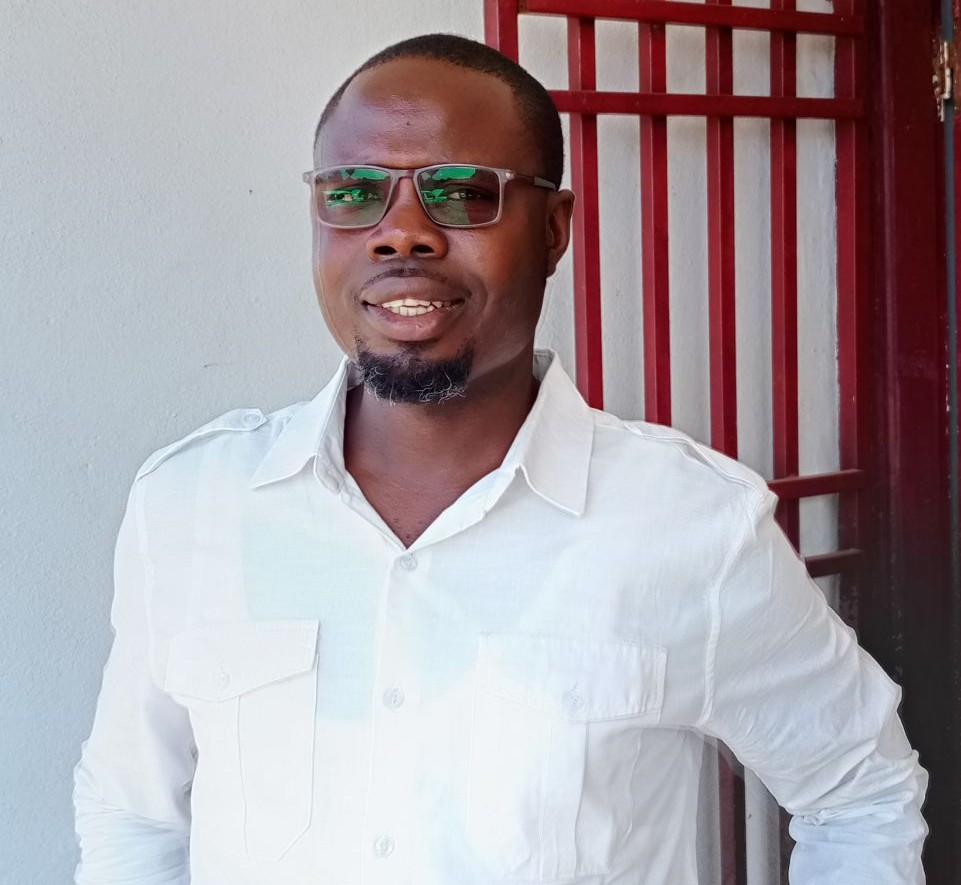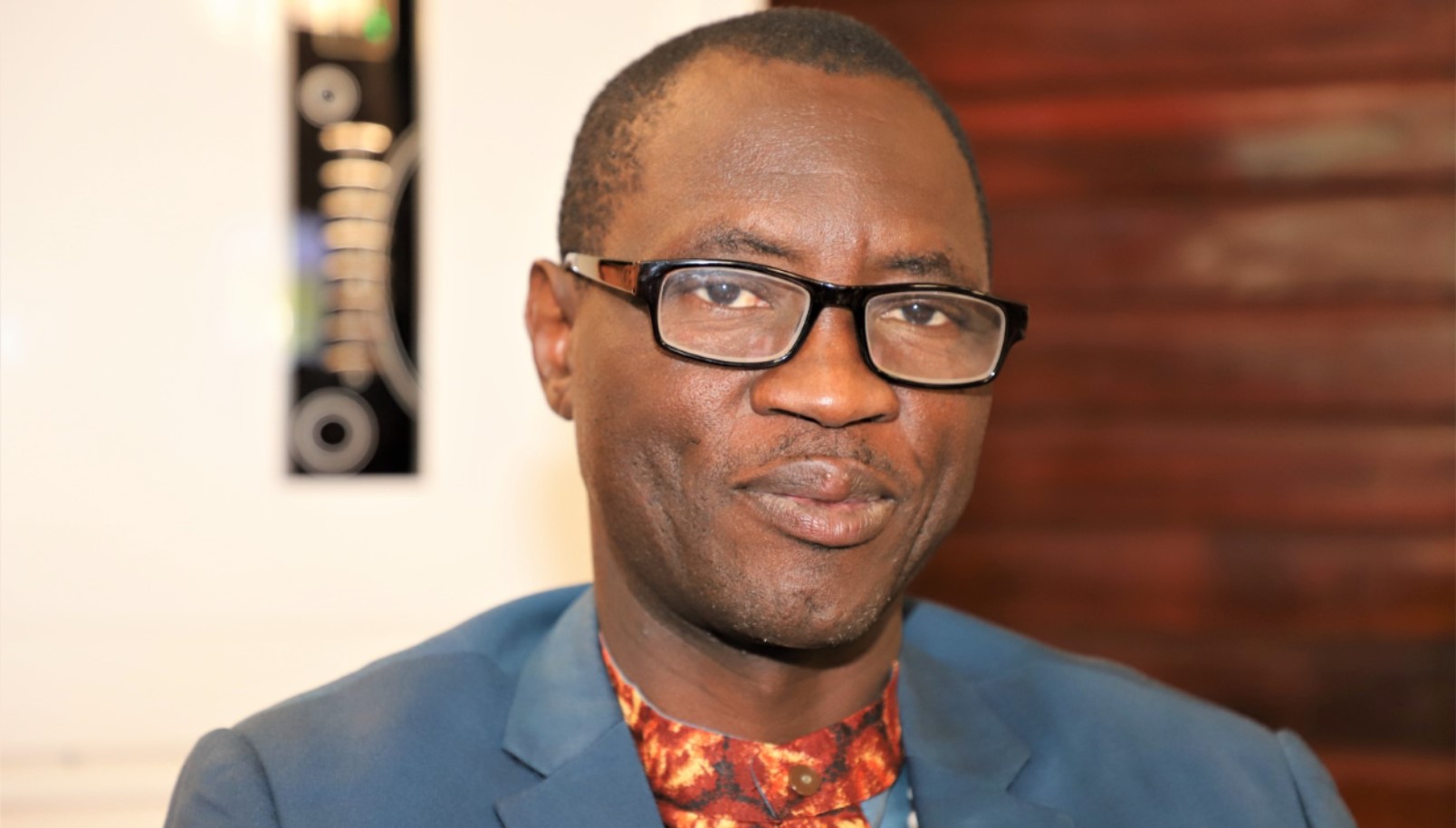
Gervais Lakosso, president of the Central African delegation, announced the Central African Republic's declaration of culture as a sovereignty domain at the Festival international du livre gabonais et des arts (FILIGA) in Gabon. The declaration shows the nation's focus on cultural identity and independence. This development was reported on June 3, 2026. The move signifies a strategic re-evaluation of cultural heritage as a fundamental element of national autonomy.
Festival Notes Central African Presence
The Festival international du livre gabonais et des arts (FILIGA) served as the venue for the Central African Republic's declaration. FILIGA, which stands for Festival international du livre gabonais et des arts, is a prominent cultural event. The event, whose full name translates to the International Festival of Gabonese Books and Arts, provided a platform for the Central African delegation to articulate its cultural stance. Gervais Lakosso, president of the Central African delegation, formally announced the nation's decision to consider culture a domain of sovereignty. This declaration, reported on June 3, 2026, emphasizes the Central African Republic's commitment to safeguarding its cultural identity and asserting its independence through artistic and literary expression. The festival in Gabon thus played a significant role in noting this strategic shift in the Central African Republic's national policy. The choice of an international literary and arts festival for such an announcement shows the public and diplomatic nature of this policy initiative.
Culture as a Pillar of Sovereignty
The Central African Republic's declaration of culture as a domain of sovereignty signifies a strategic emphasis on cultural identity within its national policy. This move, announced by Gervais Lakosso, president of the Central African delegation, at the Festival international du livre gabonais et des arts (FILIGA) in Gabon, positions cultural expression as fundamental to the nation's independence. By asserting culture as a sovereignty domain, the Central African Republic indicates a commitment to protecting its unique heritage and promoting its artistic and literary traditions as integral components of national self-determination. This approach suggests a recognition that cultural autonomy is intertwined with political and economic sovereignty. The declaration, reported on June 3, 2026, notes the nation's intention to safeguard its cultural patrimony against external influences and to foster internal cohesion through shared cultural values. The announcement at FILIGA shows the importance placed on cultural diplomacy and the role of artistic festivals in articulating national policy. This strategic framing aims to elevate cultural matters to the highest level of national interest. Radio Ndeke Luka, supported by Fondation Hirondelle, the Journalism Trust Initiative, the Union Européenne, and the Direction du développement et de la coopération DDC - Confédération Suisse, has previously reported on the Central African Republic's cultural engagements.
Context and Broader Implications
Gervais Lakosso, who announced the Central African Republic's declaration of culture as a sovereignty domain, is an artist and storyteller. His professional background aligns with the cultural focus of the declaration made at the Festival international du livre gabonais et des arts (FILIGA) in Gabon. As an artist and storyteller, Lakosso brings a unique perspective to the articulation of cultural policy, emphasizing the intrinsic value of creative expression and narrative in national identity. The Central African Republic's move to consider culture a domain of sovereignty, reported on June 3, 2026, emphasizes the nation's commitment to protecting its cultural identity. This step suggests a broader strategy to integrate cultural preservation directly into national policy. This integration is expected to influence future governmental initiatives related to arts, education, and heritage.