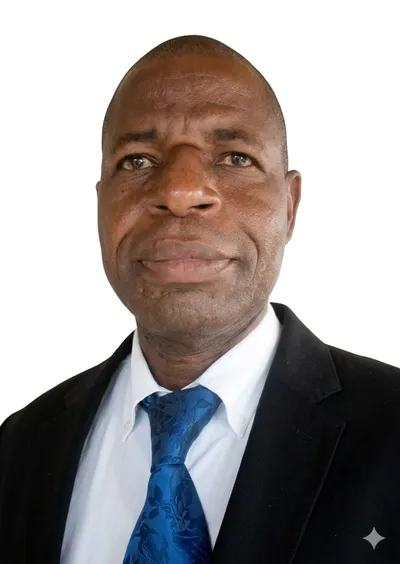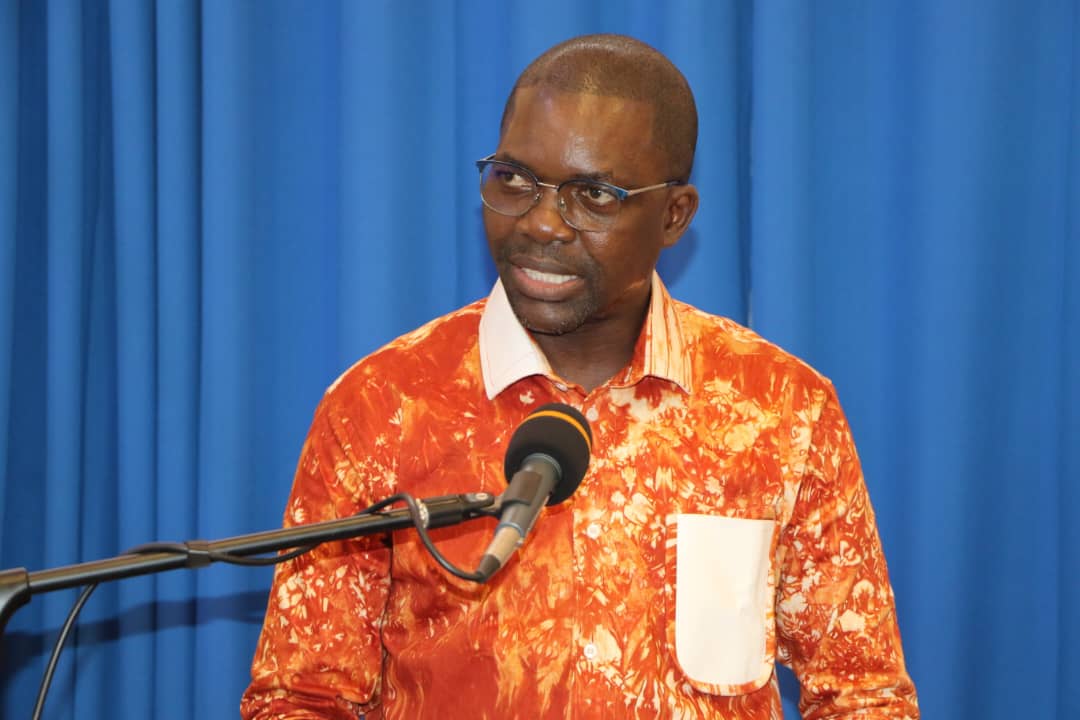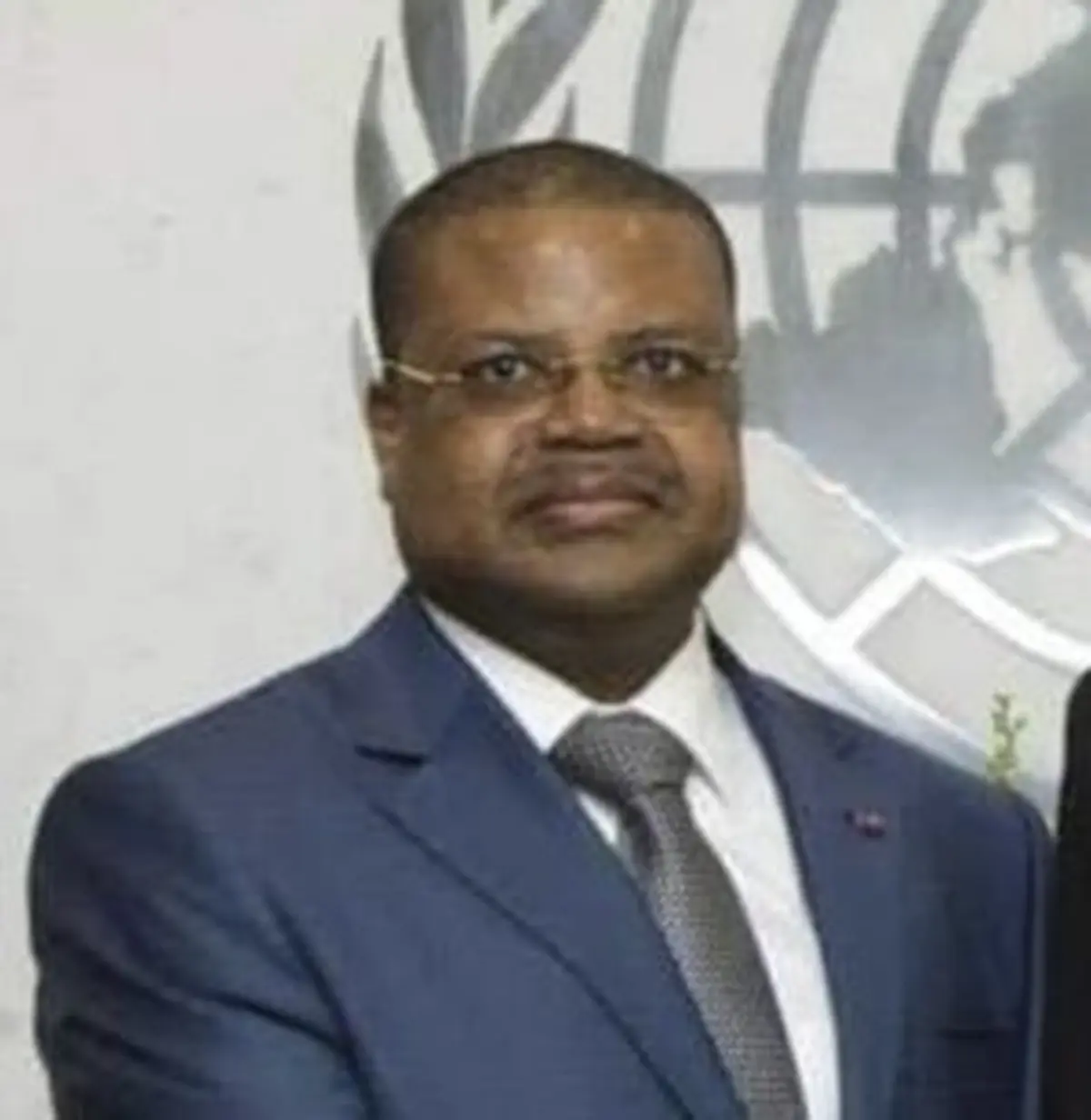
Fidèle Gouandjika, a minister advisor to the presidency of the Central African Republic, issued a critical assessment of the government's recent performance. Evaluating the first 100 days of the Moloua 3 administration, he assigned the government a score of 0 out of 20. This evaluation serves as a formal critique from within the executive branch regarding the current trajectory of state administration.
During his review, the minister advisor noted a disconnect between the nation's natural wealth and the current economic reality. Fidèle Gouandjika stated, "Nous avons le diamant, nous avons l’or, nous avons les bois, nous avons tout. Mais il n’y a que des contrebandes." This assessment points to significant concerns regarding resource management and the prevalence of illicit trade within the country. The minister advisor asserts that diamond, gold, and timber resources are being lost to smuggling and corruption instead of benefiting the state treasury.
Resource Smuggling and Corruption
Fidèle Gouandjika asserts that the national treasury fails to capture revenue from the extraction of diamonds, gold, and timber due to systemic corruption and smuggling operations. He contends that these natural resources are diverted away from state accounts, preventing the economic gains from reaching the public sector. The absence of effective oversight mechanisms results in the loss of funds that should otherwise support government operations and national development. This loss of potential revenue is a primary driver of the critique leveled by the minister advisor against the Moloua 3 government.
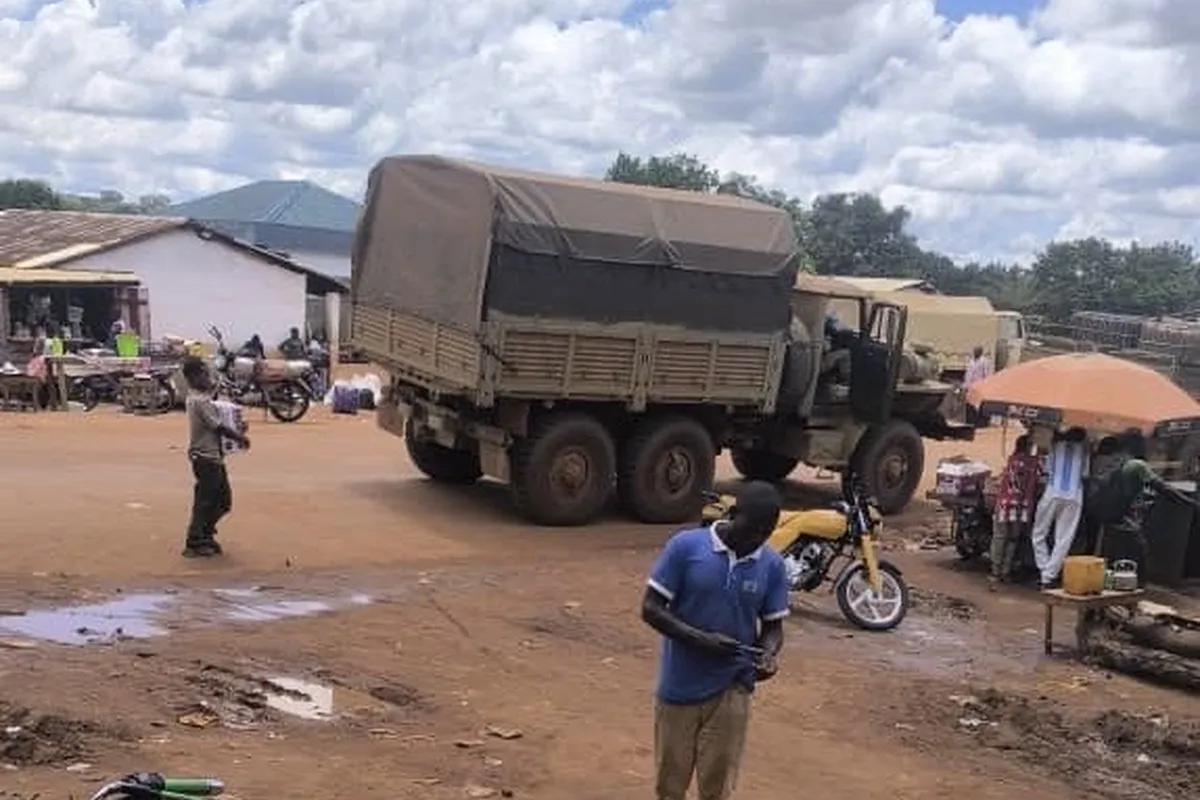
Customs agents facilitate this illicit trade by bypassing standard inspection protocols for specific transport vehicles. Fidèle Gouandjika alleges that officials allow trucks to pass through checkpoints without examination whenever the shipments belong to protected individuals. The minister advisor alleges that some customs agents allow trucks to pass without inspection if they belong to protected individuals. These unchecked movements enable the transit of goods across borders while circumventing the regulatory requirements intended to monitor commodity exports. The minister advisor maintains that these practices undermine the integrity of trade controls and contribute to the ongoing depletion of state-controlled assets.
The nature of these allegations suggests a deep-seated issue within the administrative framework of the Central African Republic. By noting the specific failure of customs oversight, Fidèle Gouandjika emphasizes that the current economic challenges are not merely a result of resource scarcity, but rather a failure of institutional enforcement. The minister advisor remains firm in his position that the state treasury is being deprived of its rightful income through these specific, unchecked smuggling operations. As a minister advisor to the presidency of the Central African Republic, his public stance shows the gravity of the situation as he perceives it within the Moloua 3 government. The ongoing lack of transparency in the movement of commodities continues to be a central point of contention in his evaluation of the administration’s first 100 days.