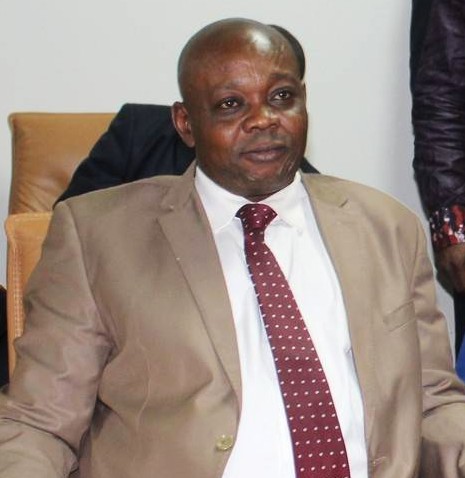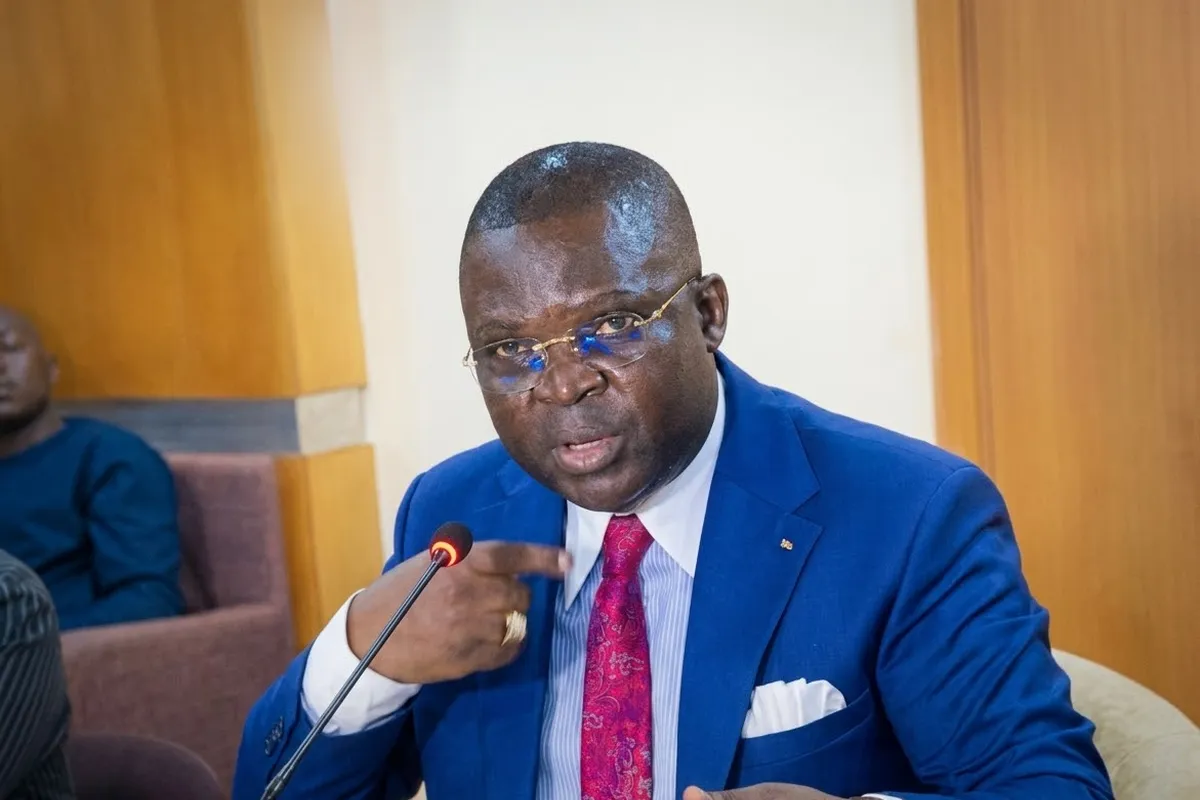
Maître Crépin Mboli-Goumba, president of Patri and coordinator of BRDC, has accused Central African Republic political figures of holding fraudulent doctorates. Mboli-Goumba specifically alleged that government spokesperson Évariste Ngamana, known as 'le grand sorcier de Carnot' and 'le faux diplômé', fabricated academic titles after years of academic interruption. Mboli-Goumba made a sweeping claim regarding the validity of certain academic credentials, stating that doctorates obtained from Cameroon are currently meaningless. He stated that "Tout ce qui, aujourd’hui, se réclame de doctorat venant du Cameroun ne veut rien dire," clarifying that he was not referring to individuals following a normal academic path. He added that "Avoir un doctorat ne veut rien dire quand on a déjà passé l’âge de faire un cursus d’horreur." The revelations have opened a definitive debate on diploma fraud at the highest level of the Central African state, a discussion that the article explicitly states is now definitively open.
Exposing Diploma Mills
Maître Crépin Mboli-Goumba stated he infiltrated networks selling diplomas to expose the fraudulent practices. He detailed paying 300,000 CFA francs for registration at a Cameroonian university as part of his efforts to uncover diploma fraud, a concrete step taken to gather evidence. Mboli-Goumba clarified that his accusations do not target individuals pursuing legitimate academic paths. He stated, "Je ne parle pas de tous ceux qui sont dans un cycle normal, qui terminent leur master et suivent leur cursus normal," emphasizing the distinction between genuine students and those acquiring degrees illicitly. The article further advocates for the cancellation of equivalences granted for fraudulent diplomas. It also calls for the expulsion of individuals holding fake doctorates from public administration positions within the Central African Republic. This firm stance shows the seriousness of the allegations and the proposed remedies.
The Accused and the Allegations
The accusations leveled by Maître Crépin Mboli-Goumba, president of Patri and coordinator of BRDC, have brought scrutiny to several high-ranking officials in the Central African Republic. Among those specifically named in connection with allegedly fraudulent doctorates is government spokesperson Évariste Ngamana. Ngamana, also referred to by Mboli-Goumba as 'le grand sorcier de Carnot' and 'le faux diplômé', is accused of having fabricated academic titles following an extended period away from formal studies. This specific allegation against Ngamana notes the nature of the fraud Mboli-Goumba is attempting to expose.
Further individuals implicated in the broader scandal, without specific details on their alleged fraudulent degrees, include Eva Yana and Alain Nzilo. Martin Ziguélé, Farid Tahéruka Shabazz, Bertrand Kenguetona, and Raymond Adouma have also been mentioned in the context of the ongoing debate surrounding diploma fraud. The allegations have prompted calls for a thorough review of academic credentials within the Central African state's public administration. The controversy notes concerns over the integrity of educational qualifications held by figures in positions of power, particularly given the high-profile nature of some of the accused.
Call for Academic Integrity
The ongoing debate surrounding alleged fraudulent doctorates held by Central African Republic officials has intensified calls for greater academic integrity within the nation's public administration. Critics are advocating for a rigorous re-evaluation of educational credentials, particularly for those in high-ranking government positions. Maître Crépin Mboli-Goumba, who initiated the accusations, has emphasized the need to distinguish between legitimate academic pursuits and degrees obtained through illicit means. The controversy has prompted demands for transparency and accountability concerning qualifications. There are also calls for the cancellation of equivalences granted for fraudulent diplomas and the removal of individuals found to possess fake doctorates from public administration roles. This push for academic rectitude aims to restore public trust in the qualifications of those serving the state, ensuring that positions of influence are held by individuals with genuinely earned credentials. The definitive opening of this debate signifies a critical moment for academic integrity in the Central African Republic.