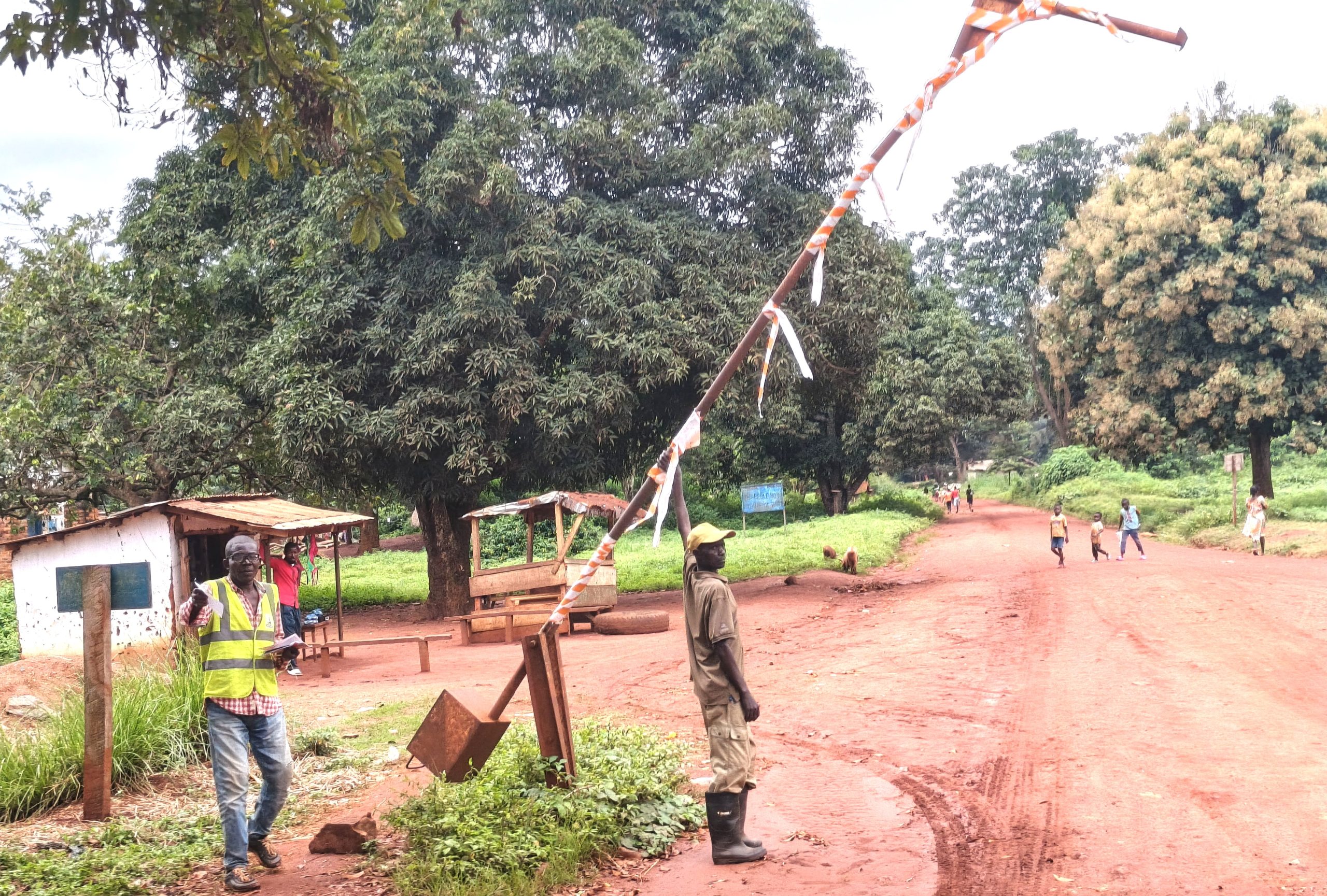
The government of the Central African Republic (Centrafrique) has acknowledged a resurgence of illegal roadblocks across the country, indicating a renewed challenge to national security and economic stability. This admission signals the government's recognition of the widespread nature of the issue, which affects various regions and poses significant obstacles to daily life and economic activity. The resurgence notes the persistent difficulties in maintaining control over key transportation routes and ensuring the free movement of goods and people throughout the nation. The government acknowledges the resurgence of illegal roadblocks throughout the country, showing the urgency of the situation and the need for a full response.
Government's Renewed Strategy
On May 29, a strategic meeting was convened in Bangui by the head of government to address the escalating issue of illegal roadblocks. This high-level gathering brought together various decentralized services, indicating a concerted effort to tackle the problem from multiple governmental angles. The meeting aimed to formulate and implement a strong strategy to dismantle these unauthorized checkpoints, which have been noted for their disruptive impact on economic activity and general security throughout the Central African Republic. The objective is to restore the free flow of goods and people, thereby stabilizing trade routes and reinforcing state authority in affected regions. This direct engagement by the head of government signals a renewed commitment to eradicating the persistent challenge posed by illegal roadblocks across the country, emphasizing a coordinated approach involving various governmental departments.
Historical Context and Past Efforts
Past initiatives to address the issue of illegal roadblocks have been undertaken by the Central African Republic government. A special mixed brigade for roadblock control was established in February 2023. At the same time, a committee specifically tasked with fighting illegal roadblocks was also formed. These formations in February 2023 were part of ongoing efforts to create dedicated structures for combating this widespread problem. Earlier, a committee to combat illegal roadblocks was established over three years ago and placed under the direct authority of the Prime Minister, demonstrating a long-standing governmental recognition of the problem's severity. These efforts indicate a long-standing recognition of the problem and previous attempts to implement structured responses to dismantle unauthorized checkpoints across the country, reflecting a sustained commitment to addressing the issue.
Public Engagement and Future Outlook
To foster public participation in the anti-roadblock effort, the government is launching a toll-free number. This dedicated line will allow citizens to submit complaints, denunciations, and reports concerning the presence of illegal checkpoints across the Central African Republic. The initiative aims to enhance the flow of information from the public to authorities, providing real-time intelligence to support the dismantling operations. This measure shows a strategy that integrates community involvement as a vital component in identifying and addressing the widespread issue of unauthorized roadblocks, empowering citizens to contribute to national security.
Authorities also reported significant progress in December 2025, with over 240 illegal roadblocks dismantled. This operation concentrated primarily in the northwest region of the country, a key area for both trade and humanitarian access. The successful removal of a substantial number of these obstacles indicates an intensified effort to secure critical transportation routes and restore the free movement of goods and people. This action follows the government's renewed commitment to eradicating the persistent challenge posed by illegal roadblocks and ensures safer passage for citizens and goods.