The Central African Republic unveiled a plan to prevent a potential appearance of Ebola in the country on June 9 in Bangui. The full strategy is designed to safeguard the nation from the deadly virus, which poses a significant threat to public health. Implementation of the prevention plan requires the mobilization of over 19 billion CFA francs from various partners. This financial commitment is key for supporting the necessary public health measures and infrastructure improvements, ensuring the country is adequately prepared to face the potential challenge. The presentation of this vital plan took place in Bangui on June 9, marking a proactive step by the government.
Details of the Prevention Strategy
The prevention plan was developed jointly by the Ministry of Public Health and other concerned sectors within the Central African Republic government. This collaborative effort aims to address the potential threat of Ebola comprehensively, drawing on diverse expertise. The strategy is based on international health standards, ensuring that the measures implemented align with global best practices for disease prevention and control. This adherence to global standards is critical for effective disease management and containment.
Key actions outlined in the plan include the distribution of hygiene kits at critical entry points into the country. These kits are intended to provide essential sanitation supplies to travelers and personnel, thereby reducing the risk of transmission. Additionally, hygiene kits will be distributed within health facilities across the Central African Republic to enhance infection control measures and protect both patients and healthcare workers. These steps are part of a broader effort to strengthen the nation's capacity to detect, prevent, and respond to an Ebola outbreak, emphasizing preparedness at all levels.
Broader Health Security Context
The President of the Republic, Faustin-Archange Touadéra, launched a separate health security plan a few weeks prior, designed to combat epidemics within the Central African Republic. This initiative, valued at 60 million dollars, receives funding from the World Bank, noting international support for the country's health infrastructure. The broader health security context for the Central African Republic is further influenced by the ongoing Ebola outbreak. The deadly virus is currently active and raging in the northeast of the Democratic Republic of Congo, a neighboring country. This proximity presents a heightened risk of transmission and shows the urgent need for strong preventive measures and vigilant monitoring to protect the Central African Republic's population. The situation in the Democratic Republic of Congo serves as a stark reminder of the potential for cross-border transmission.
Ministerial Commitment to Preparedness
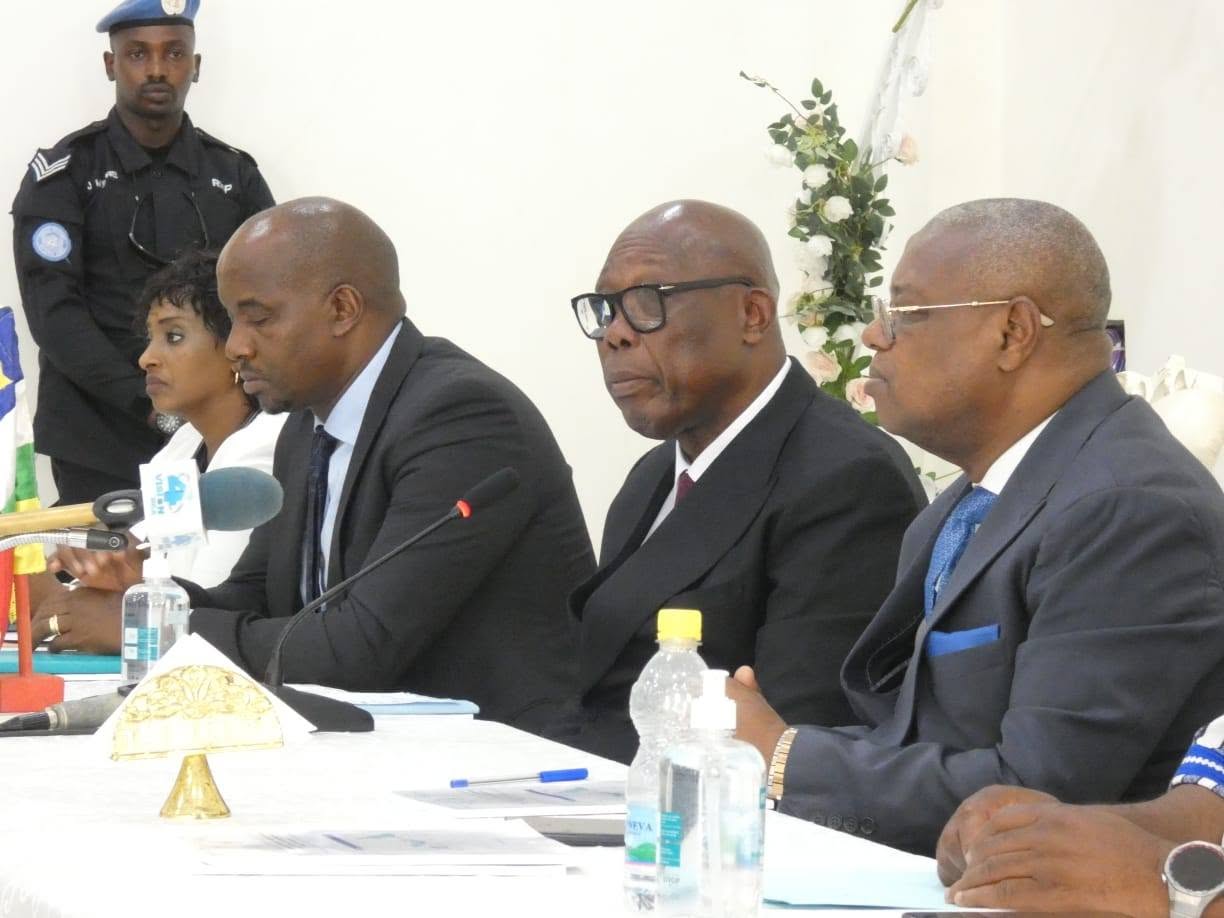
The Ebola prevention plan was presented to government members and the Central African Republic's technical and financial partners, ensuring broad awareness and support for its implementation. This high-level presentation shows the government's commitment to protecting its citizens from the virus. Key actions outlined in the strategy include the reinstallation of a camera system equipped with QR code technology at Bangui airport. This system is designed to track incoming travelers, enhancing surveillance capabilities at a critical entry point and allowing for more efficient contact tracing if necessary. Authorities have identified a total of 200 entry points across the country, comprising 40 official crossings and 160 unofficial ones, as potential routes for the virus to enter the nation. These numerous locations require particular attention for monitoring and implementing preventive measures, presenting a significant logistical challenge that the plan aims to address. The full nature of the plan reflects a proactive approach to mitigating the risks associated with the regional Ebola outbreak.