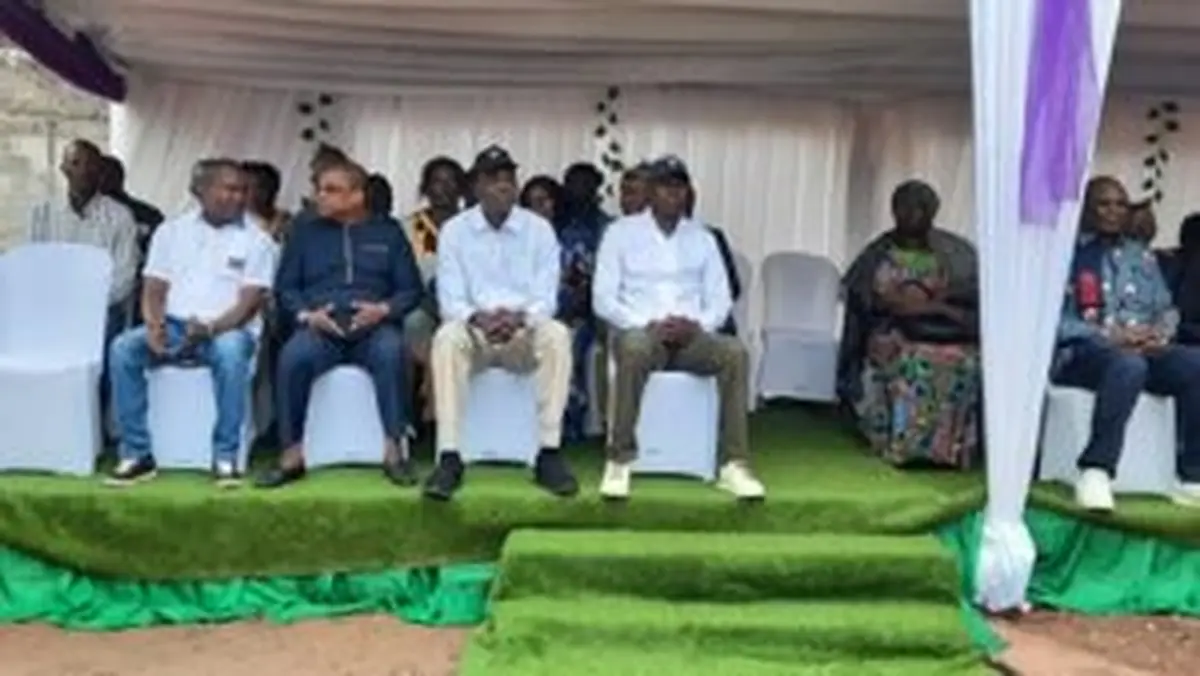
The Central African Republic announced commitments totaling over 5,000 billion CFA francs in September 2025 from various partners to finance its National Development Plan (PND) for 2024-2028. This significant financial commitment was declared as part of the nation's strategy to address its pressing development needs. The announcement followed the Casablanca round table, a critical forum where the government sought international support and pledges for the ambitious plan. The PND, designed to span from 2024 to 2028, requires nearly 7,000 billion CFA francs for its full execution, indicating a substantial funding gap despite the secured pledges. This gap notes the ongoing challenge of mobilizing sufficient resources to achieve the country's long-term development objectives.
PND Goals and Funding Gap
The National Development Plan (PND) for 2024-2028 focuses on several key priority sectors, according to government statements. This full five-year strategy aims to lay a foundation for sustainable growth and improved living conditions across the Central African Republic. These sectors include the development of roads, key for connectivity and trade, and energy infrastructure, essential for economic activity and household access. Agriculture is also a primary focus, recognizing its vital role in food security and livelihoods. The plan also prioritizes improvements in education and health services, fundamental for human capital development, alongside initiatives aimed at boosting employment within the country to address high unemployment rates. The full strategy outlines specific objectives within each of these areas, designed to foster economic growth and improve living standards across the Central African Republic. The identified priority sectors are central to the overall framework of the PND, guiding resource allocation and project implementation over the five-year period. The government's vision shows a holistic approach to national development, seeking to uplift various facets of society simultaneously.
Dire Living Conditions
The urgency of the National Development Plan is showed by the dire living conditions faced by a significant portion of the population. Nearly 7 out of 10 Central Africans live below the poverty line, according to the United Nations Development Programme (UNDP). This stark figure illustrates the widespread economic challenges and the widespread need for development interventions. The UNDP also states that only 8% of households in the Central African Republic have access to electricity, noting a critical infrastructure deficit that impacts daily life, education, and economic opportunities. Access to drinking water in the country reaches only 36% of the population, leaving the majority without this basic necessity. These figures show the significant challenges faced by many residents in their daily lives, emphasizing the profound impact that successful implementation of the PND could have on improving basic services and overall quality of life.
Economic Progress and Outlook
Despite the significant development challenges, the Central African Republic's economic outlook shows some improvement in fiscal management. According to the African Development Bank (AfDB), the country's budget deficit is projected to decrease, signaling a positive trend in its financial stability. The deficit, which stood at 5.2% of GDP in 2024, is expected to narrow to 3.5% in 2025. This reduction in the budget deficit reflects ongoing efforts by the government to stabilize the nation's finances and enhance fiscal discipline. The AfDB's figures indicate a positive trend in the government's fiscal performance, contributing to a more stable economic environment. Continued progress in this area is seen as key for supporting the broader goals of the National Development Plan for 2024-2028, as sound macroeconomic management is essential for attracting investment and ensuring the sustainability of development projects.
Assessing Commitment Realization
At the Casablanca round table, international partners pledged over 9 billion US dollars, which is equivalent to approximately 5,100 billion CFA francs. These substantial commitments were announced as part of concerted efforts to finance the Central African Republic's National Development Plan. The pledges represent a significant portion of the funding sought by the government for its 2024-2028 development strategy, demonstrating international recognition of the country's needs and potential. The plan outlines various projects aimed at improving infrastructure, social services, and economic conditions across the country, all of which depend heavily on the realization of these financial promises. The realization of these commitments is considered key for the successful implementation of the multi-year development initiatives, as delays or shortfalls could severely impede progress towards the PND's ambitious goals. The government will need to ensure strong follow-up mechanisms to translate these pledges into tangible investments on the ground.