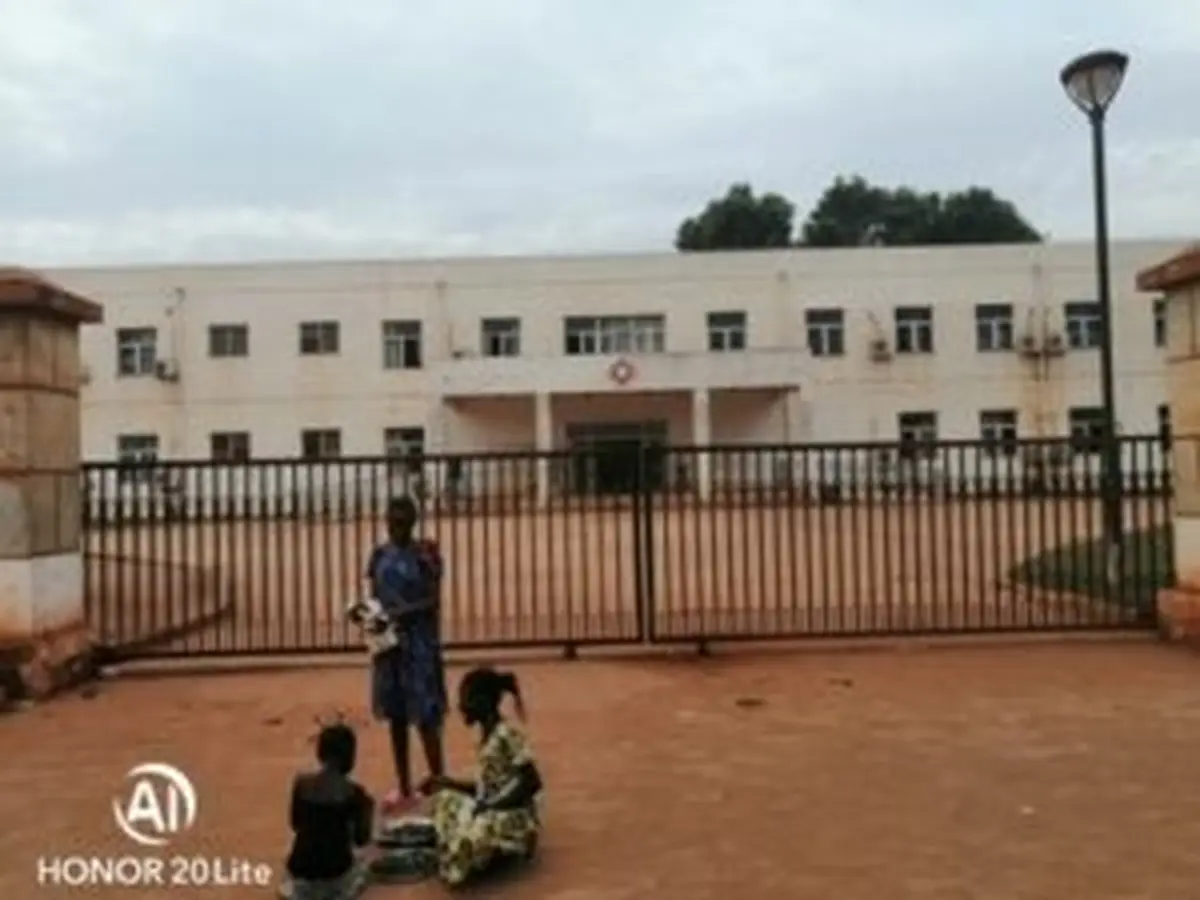
The Central African Republic's health system is reportedly in disarray as hospitals face severe medicine shortages, doctors depart the country due to unpaid salaries, and critical epidemic centers, such as PK24, struggle to remain operational. Hospitals are described as empty of medicine, with medical professionals fleeing the country due to a persistent lack of salary, leaving vital facilities like PK24 barely standing. This deteriorating situation coincides with President Touadéra's travel abroad, drawing sharp criticism regarding the government's priorities. Critics allege that the current 'Quadra' regime is sacrificing the well-being of its citizens to maintain its own comfort, according to recent reports from Centrafrique. The dire state of healthcare infrastructure and personnel is raising significant concerns about public health in the nation, with the chaotic health system reportedly condemning thousands to immense suffering or premature death.
Deteriorating Public Health Infrastructure
The public health infrastructure in the Central African Republic is experiencing a severe decline, marked by critical shortages in diagnostic and laboratory capabilities. Hospitals reportedly lack reliable scanners, hindering proper diagnosis and treatment of patients. There are no adequately equipped laboratories to support essential medical testing and disease surveillance, severely impacting the nation's ability to monitor and respond to health crises. A significant deficit of specialized medical personnel exacerbates the situation, with not enough specialists available to address the population's healthcare needs. These deficiencies in equipment and staffing, including the absence of reliable scanners and equipped laboratories, and the insufficient number of specialists, have reportedly remained unaddressed throughout President Touadéra's mandate, contributing to the overall deterioration of the nation's health system.
Vaccination Program Failures
The government's vaccination programs, particularly for Ebola, have faced significant implementation challenges, according to reports from Centrafrique. While campaigns are announced publicly with considerable fanfare, the actual distribution of vaccines on the ground is reportedly insufficient. The regime announces these Ebola vaccination campaigns with much publicity, but in reality, there are insufficient doses available for the wider population. Critics allege that available doses are often prioritized for individuals within circles of power, rather than reaching those most exposed to health risks. Consequently, populations in border areas, who are genuinely at higher risk of exposure to diseases like Ebola, continue to await vaccination, noting a critical disparity. This disparity in vaccine access notes concerns about the effectiveness and equity of public health initiatives within the country, as those truly exposed in border areas are still waiting for vital protection.
Presidential Priorities Contrasted
President Touadéra traveled to Brussels in June 2025 for urgent cancer treatment, an event that coincided with his official attendance at the GAVI summit on vaccines. His personal medical travel abroad has drawn scrutiny, particularly given the severe medicine shortages and the departure of doctors from the Central African Republic due to unpaid salaries. The President's trip for specialized care contrasts sharply with the reported lack of essential medical resources and specialized personnel available to the general population within the country, as critical health infrastructure continues to struggle. This perceived disconnect fuels criticism that the 'Quadra' regime prioritizes its own comfort over the fundamental healthcare needs of its citizens.
Human Cost of Neglect
The deteriorating state of the Central African Republic's healthcare system has profound implications for its citizens. The chaotic health system, marked by medicine shortages and a lack of medical personnel, reportedly condemns thousands of people to immense suffering or premature death. This systemic neglect directly impacts the most vulnerable populations, who are left without access to essential medical care, facing severe health outcomes due to preventable or treatable conditions. The crisis notes a growing disparity between the needs of the population and the available health services, raising serious concerns about the long-term public health outcomes for the nation and the profound human cost of the current healthcare failures.