New mayors and municipal councilors in the Central African Republic are encountering a critical lack of infrastructure just months after their installation. This shortage is significantly hindering their ability to govern effectively across various municipalities throughout the nation. The newly appointed local leaders, who assumed their roles recently, are finding themselves in positions where basic operational necessities are scarce. The government has acknowledged these pressing challenges and has pledged to address them. It promises to respond by quickly providing new equipment to support the newly installed local administrations, aiming to alleviate the immediate difficulties faced by these nascent local governance structures. This commitment comes as local officials increasingly vocalize their concerns about the operational paralysis caused by these deficiencies.
Logistical Paralysis in Municipalities
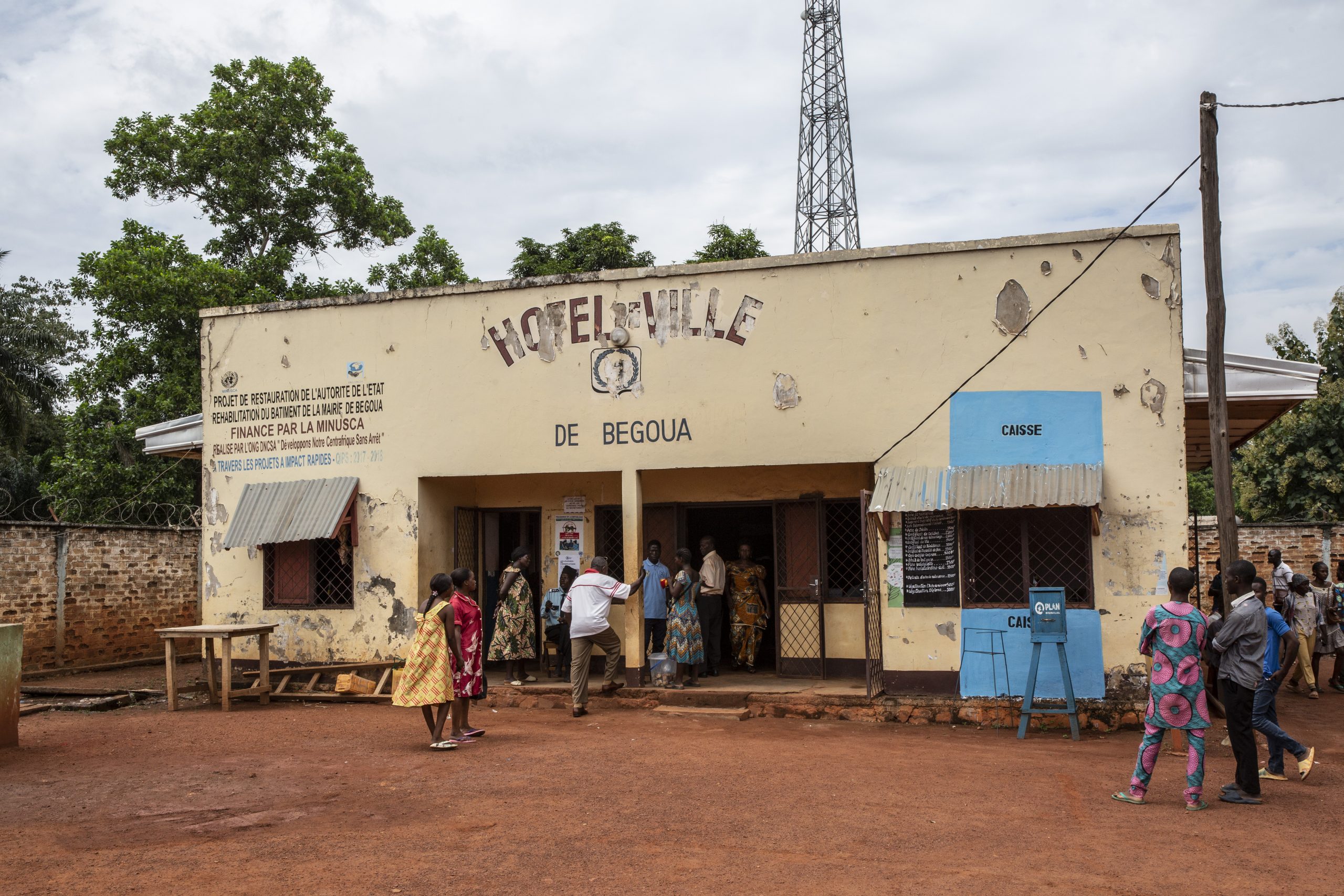
Severe infrastructure shortages are profoundly impacting daily operations in Central African Republic municipalities. These deficiencies range from a lack of adequate office space to insufficient basic equipment, creating substantial obstacles for effective local governance. At the Bégoua town hall, for instance, a striking illustration of the spatial constraints faced by local officials is evident: the four deputy mayors are forced to share a single office. This cramped arrangement not only notes the severe lack of dedicated workspace but also significantly complicates administrative tasks for the newly appointed leaders. Such conditions inevitably lead to reduced privacy, difficulties in conducting confidential discussions, and overall inefficiencies in performing their diverse duties. The lack of individual, dedicated spaces for key municipal figures undermines their capacity to manage their portfolios effectively and serve the public with the required focus and resources.
Similar challenges are acutely evident in Bangui, the capital city. In the town hall of the 4th arrondissement of Bangui, the former mayor, who now serves as a sub-prefect, continues to occupy the mayor's office. This unusual situation directly prevents the new mayor from having a designated workspace, forcing them to operate without a proper base. Additionally, a widespread lack of equipment further exacerbates the operational difficulties; municipal councilors are forced to work together in a small room. This arrangement severely restricts their ability to perform their duties efficiently and limits the privacy and functionality required for effective local governance. The absence of essential tools and a conducive working environment not only frustrates the efforts of these officials but also impacts the quality and speed of public services they can deliver to their constituents.
Officials Sound Alarm
The critical shortage of offices and suitable premises is creating significant logistical paralysis within municipalities, according to local officials. This dire situation has prompted elected representatives to sound an alarm, calling for urgent government intervention to rectify these foundational issues. The lack of basic infrastructure directly impedes the operational capacity of these new administrations, severely hindering their ability to perform essential governance functions such as planning, coordination, and community engagement. Municipal leaders are emphasizing that without adequate workspaces and facilities, they struggle to effectively serve their constituents and implement local policies aimed at improving community well-being. Their collective appeal shows the immediate need for the central government to address these foundational issues to enable the newly installed local authorities to function properly and fulfill their mandates.
Government Promises Action
The prevailing crisis is paralyzing numerous municipalities not only in Bangui but also across the entire country, according to reports from local administrators and observers. The widespread lack of basic infrastructure, including offices and operational equipment, directly impedes the newly installed local administrations from carrying out their responsibilities. This situation prevents mayors and municipal councilors from effectively carrying out their mandates and delivering essential services to citizens, from civil registration to local development initiatives. The Central African Republic government has acknowledged these significant challenges and the widespread impact they are having on local governance. It has pledged to address the infrastructure deficit by rapidly providing necessary equipment and facilities to support the new local authorities. This intervention is deemed key for enabling the municipal administrations to function properly and overcome the current operational bottlenecks that are stifling progress. Without these resources, the newly elected officials face substantial obstacles in fulfilling their roles and meeting the expectations of the communities they serve.