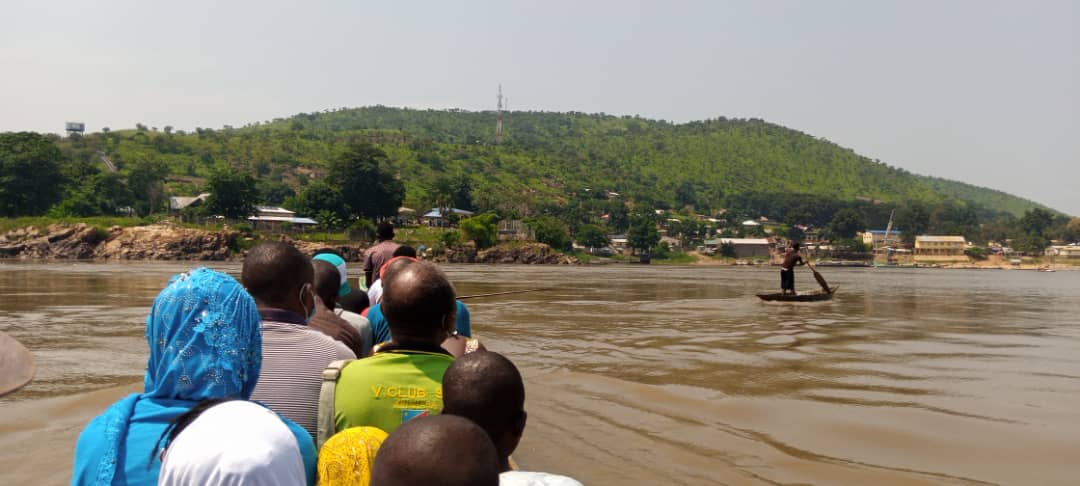
Patients from Centrafrique are increasingly crossing the Oubangui river into Zongo, République démocratique du Congo, to access healthcare services. This displacement occurs as individuals seek medical treatment in Zongo due to challenges within their own country's health system. The movement notes a significant cross-border reliance for essential services, showing the critical role Zongo plays in providing medical care to its neighbors. The article discusses the displacement of Central African patients towards the city of Zongo, in the Democratic Republic of Congo, for healthcare, illustrating a complex regional dynamic.
Healthcare Destination Explored
The phenomenon of patients traveling from Centrafrique to Zongo, République démocratique du Congo, for medical care shows the significant role Zongo plays as a healthcare destination. This cross-border movement is primarily driven by the search for accessible and reliable medical services. Many individuals residing near the rivière Oubangui find Zongo to be the most viable option for their healthcare needs, despite the international border separating the two nations. The presence of medical facilities in Zongo offers a key alternative for those who face difficulties accessing adequate treatment within Centrafrique. This pattern notes a practical reliance on neighboring countries for essential services when domestic provisions are insufficient or inaccessible. The ongoing situation illustrates how geographical proximity and the availability of services can influence patient mobility, turning specific towns like Zongo into critical points of medical access for populations across national boundaries. The consistent flow of patients into Zongo demonstrates a pressing need for medical infrastructure and services that Centrafrique's current system struggles to provide.
Journey Across the River
The Oubangui River serves as a critical pathway for individuals seeking medical care, with an image depicting a crossing towards the Congolese city of Zongo. This visual documentation captures the movement of people navigating the waterway to reach healthcare facilities. The image shows a crossing of the Oubangui River towards the Congolese city of Zongo, portraying the physical journey many patients undertake. The specific context for this photographic record dates back to July 2021. During that period, the river crossings illustrated the established route many Centrafricans undertake to access medical services in Zongo, République démocratique du Congo. This crossing is often the first step in a longer journey for those in need of medical attention, showing the determination of individuals to overcome geographical barriers for essential care. The image shows the geographic reality of patients traveling across the Oubangui, noting the significant role the river plays in connecting communities to essential services. The visual evidence from July 2021 provides a tangible illustration of this ongoing humanitarian situation.
Broader Context and Implications
The ongoing movement of patients from Centrafrique to Zongo, République démocratique du Congo, for healthcare services notes broader challenges within the region's health infrastructure. This cross-border reliance shows the persistent gaps in medical access and provision in Centrafrique, compelling residents to seek care across the rivière Oubangui. The situation illustrates how the availability of even basic medical facilities in towns like Zongo can become a critical lifeline for populations in neighboring countries facing systemic difficulties. Such patterns often emerge in areas where national borders intersect with varying levels of public service development. This displacement of patients speaks to a larger regional issue concerning healthcare equity and access. Organisations like Radio Ndeke Luka, supported by entities such as the Fondation Hirondelle, the Journalism Trust Initiative, the Union Européenne, and the Direction du développement et de la coopération DDC - Confédération Suisse, frequently report on these humanitarian and development challenges. These reports often detail the personal stories of those undertaking the journey, further emphasizing the human impact of these healthcare disparities. This situation demonstrates the complex interplay of geographical proximity, national healthcare disparities, and individual resilience in the face of limited local options.