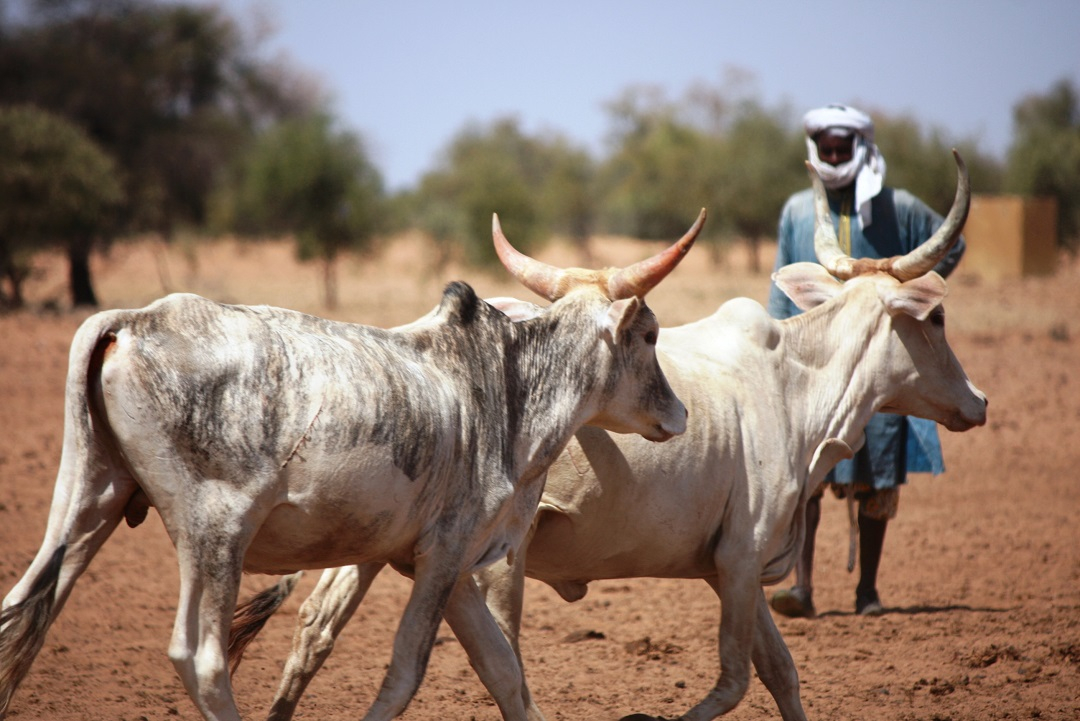
Chad and the Central African Republic (CAR) are uniting efforts for peaceful transhumance between their two countries. This significant collaboration aims to foster stability and address long-standing challenges associated with cross-border livestock movements. The two states convened in Mbaïbokoum, Chad, in late August for a key conference specifically focused on transhumance. This collaborative meeting was designed to comprehensively address both the challenges and opportunities associated with cross-border pastoral movements, laying the groundwork for a more structured and peaceful approach.
Summit Details and Participants
The conference in Mbaïbokoum brought together nearly 600 actors engaged in agropastoral development, representing a broad spectrum of stakeholders. Participants included various government representatives from both Chad and the Central African Republic, showing the high-level commitment from both nations. The joint attendance of such a diverse group of officials and practitioners showed the profound commitment from both nations to collaboratively address the complexities of transhumance in a sustainable manner. The assembly of such a broad range of stakeholders, including those from governmental bodies, aimed to foster full dialogue and develop shared strategies for managing cross-border pastoral movements effectively. The presence of numerous governmental figures from each country signaled a high-level endorsement of the initiative to secure peace and stability in the region through structured cooperation on livestock mobility and agricultural practices, recognizing the critical importance of these issues for regional development.
Focus on Transhumance Cooperation
The collaborative efforts between Chad and the Central African Republic (CAR) are centered on establishing strong mechanisms for secure and regulated transhumance. This initiative seeks to mitigate conflicts often arising from the movement of livestock across national borders, particularly in sensitive areas like Mbaïbokoum. Both nations aim to create a full framework that supports the traditional practices of pastoral communities while simultaneously safeguarding the interests of settled agricultural populations. The joint approach acknowledges the significant economic importance of transhumance for the livelihoods of many communities and for broader regional trade, making its regulation a priority.
Discussions have focused intensely on developing shared protocols for livestock identification, ensuring traceability and accountability. The agenda included detailed plans for health inspections to prevent the spread of diseases, and the establishment of clearly designated corridors for movement to guide pastoralists. Officials from Chad and CAR are actively exploring ways to enhance communication and coordination between local authorities and pastoral groups, fostering a spirit of mutual understanding and cooperation. This includes implementing early warning systems for potential disputes, allowing for timely intervention and conflict resolution, and establishing joint patrols to monitor compliance with agreed-upon routes and grazing areas. The cooperation is intended to foster greater stability in border regions, which have historically experienced tensions related to resource competition, particularly over water and pasture. The ultimate goal is to transform transhumance from a recurring source of conflict into a powerful conduit for regional economic development and peaceful coexistence among different communities. This structured approach is expected to bring lasting benefits to both nations.
Broader Regional Implications
The alliance between Chad and the Central African Republic for peaceful transhumance could establish a significant precedent for cross-border cooperation in the wider region, offering a blueprint for other nations. Such initiatives are vital for mitigating conflicts often associated with the movement of livestock across national boundaries, particularly in areas like Mbaïbokoum and Bocaranga, which have seen their share of tensions. The framework for secure and regulated transhumance developed by Chad and CAR offers a practical and adaptable model for other nations facing similar challenges in managing pastoral movements. This collaborative approach aims to foster regional stability by directly addressing resource competition and actively supporting traditional pastoral livelihoods, which are central to many economies. Success in this endeavor could significantly encourage broader adoption of coordinated strategies among neighboring states, promoting not only peace but also sustained economic development across Central Africa. The commitment shown by Chad and CAR could inspire a new era of cross-border collaboration for shared prosperity and security.