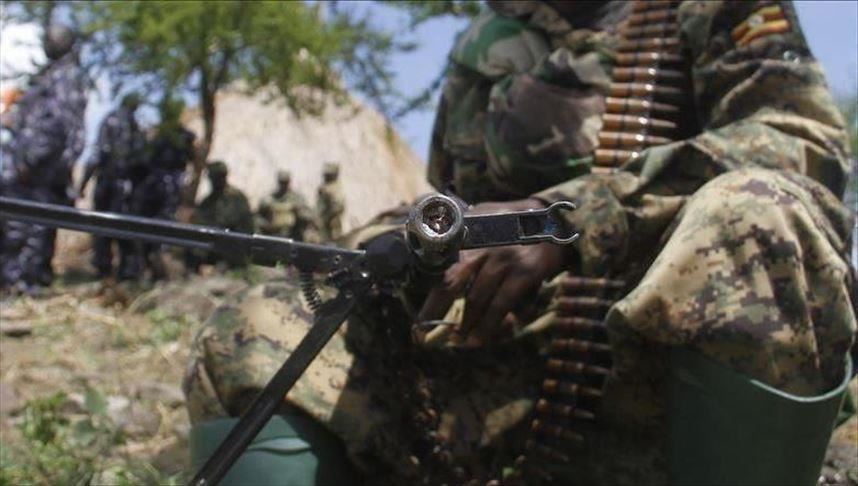
Two children were killed and another was injured by armed men in Dekoa on September 8. The attack occurred in the town located in the Kémo prefecture, part of the Nord-ouest centrafricain region. The identities of the armed men responsible for the incident have not been disclosed. This tragic event marks a violent episode in the area, leading to casualties among the civilian population, and has cast a somber shadow over the community. The incident, which saw armed individuals open fire on innocent children, shows the persistent security challenges faced by residents in this part of the Central African Republic.
Attack Details Emerge
The children were reportedly on their way to fish when they encountered the armed group. Assailants opened fire on them without provocation, according to initial reports from local authorities. The victims were traversing an area outside the main residential zones of Dekoa, a town situated in the Kémo prefecture, which is part of the Nord-ouest centrafricain region. The precise location of the shooting has not been specified beyond being en route to a fishing spot, indicating they were likely in a more secluded or rural part of the area. This ambush resulted in the immediate deaths of two children, while a third sustained injuries. The unprovoked nature of the attack has particularly shocked the local community, as the children posed no apparent threat to the armed individuals. Details regarding the type of weapons used or the number of attackers have not yet been released by officials investigating the incident. The attack has raised significant concerns among residents about the safety of civilians, particularly children, in the area surrounding Dekoa, noting the vulnerability of those simply going about their daily lives. Local security forces are understood to be investigating the circumstances leading to the fatal shooting, aiming to piece together the sequence of events and identify those responsible for this heinous act. The fact that the victims were engaged in an everyday activity like going fishing when they were targeted has amplified the sense of outrage and fear among the population.
Information Source
Information regarding the attack in Dekoa, which resulted in the deaths of two children and injury to a third, is based on testimonies. These eyewitness accounts form the foundation of the reports detailing the incident where armed men opened fire on the children as they headed to a fishing spot. The reliance on these direct observations from individuals present or nearby provides key initial details about the tragic event. The information gathered from witnesses is currently being used by local authorities to piece together the events of September 8 in the Kémo prefecture. This process is vital for understanding the full scope of what transpired and for any subsequent legal actions. The reliance on testimonies suggests an ongoing investigation where official sources may not yet have released definitive findings or full reports, showing the preliminary nature of much of the available information. The details surrounding the unprovoked firing on the children and their subsequent casualties have primarily emerged through these witness statements, painting a vivid and tragic picture of the occurrence in the Nord-ouest centrafricain region. These testimonies are critical in the absence of immediate official statements or full forensic evidence, offering the first insights into the brutality of the attack.
Regional Context
The incident occurred in Dekoa, a town situated within the Kémo prefecture. Kémo is part of the Nord-ouest centrafricain region, an area that has experienced sporadic violence and persistent insecurity. The Central African Republic has faced prolonged instability, with various armed groups operating across its territory, often leading to clashes and displacement of populations. Dekoa itself, like many towns in the country, has been subject to the broader security challenges affecting the region, making its residents accustomed to an unpredictable environment. The Kémo prefecture is strategically located and has seen shifts in control and influence among different factions over time, contributing to an unstable security landscape. Civilian populations in such areas frequently bear the brunt of the ongoing insecurity, often becoming unintended victims or direct targets in conflicts that are beyond their control. The attack on the children in Dekoa tragically illustrates the human cost of this protracted instability and the urgent need for enhanced protection for vulnerable communities.