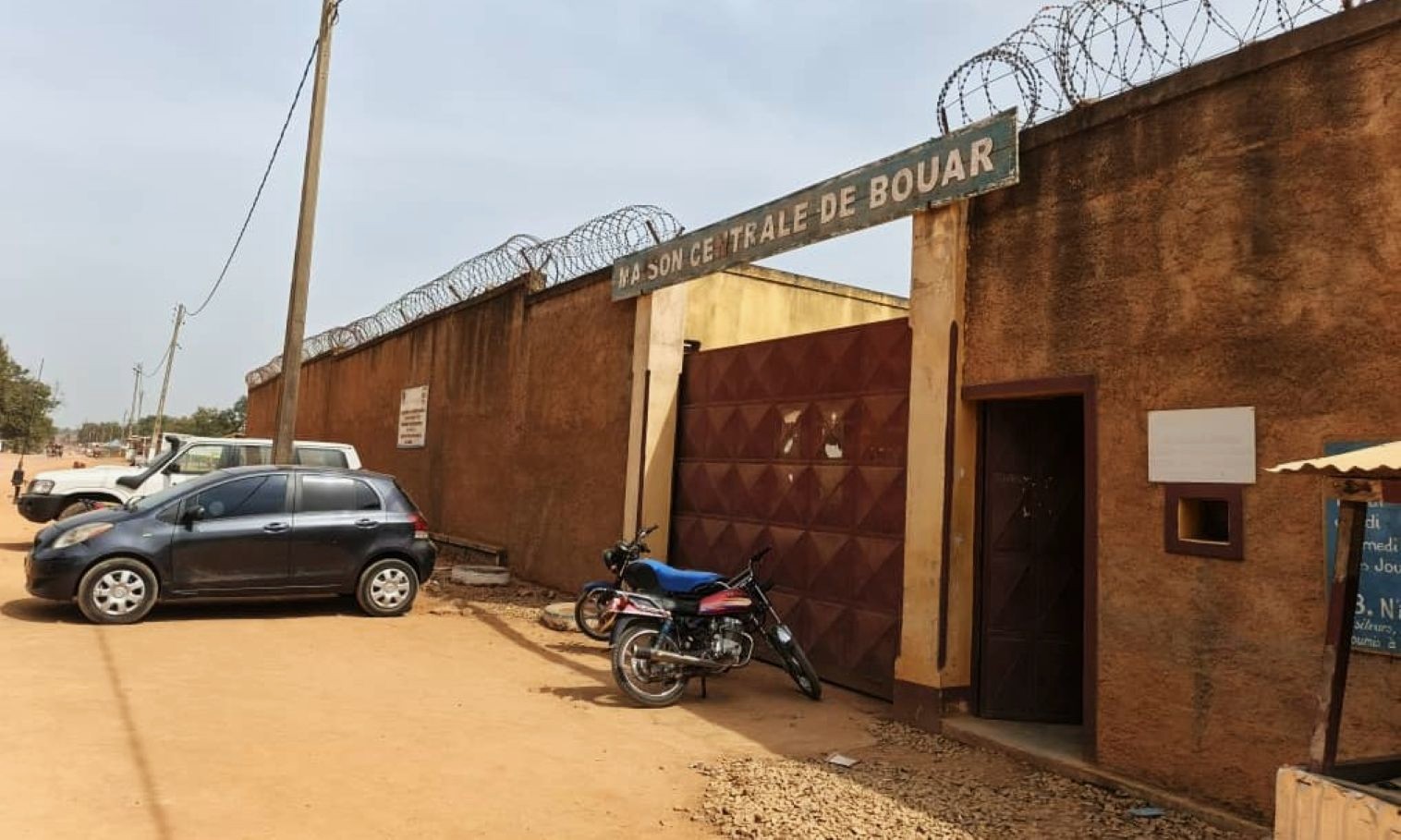
The Platform for Civil Society for Support to Penitentiary System Reforms (PARSP-RCA) has raised concerns regarding the detention conditions at the Bouar central prison. The civil society organization issued an alert on Tuesday, April 2, 2024, detailing what it describes as dire circumstances for inmates in the facility located in the Nana-Mambéré prefecture of the Central African Republic. PARSP-RCA's statement noted the urgent need for improvements to ensure basic human rights and adequate living standards for those incarcerated there. The organization's full report showed a range of systemic failures contributing to the severe plight of detainees.
Health and Water Crisis
Inmates at Bouar central prison face significant health challenges, with the facility reportedly infested with diseases. Scabies and tuberculosis are particularly prevalent among the detained population, according to observations made by the Platform for Civil Society for Support to Penitentiary System Reforms (PARSP-RCA). The organization's recent alert noted the deteriorating health situation within the correctional facility, noting that the spread of these communicable diseases is exacerbated by the overcrowded and unsanitary conditions. Compounding these issues, detainees are compelled to leave the prison premises regularly to secure access to water. This necessity shows a critical lack of essential services within the prison walls, forcing inmates to seek a fundamental resource externally. PARSP-RCA's findings indicate that the absence of adequate water provision directly contributes to the unsanitary conditions and disease transmission, posing serious risks to the health of the entire prison population. The lack of potable water also significantly impacts hygiene standards, further contributing to the rampant spread of illness.
Judicial Delays Plague System
The Platform for Civil Society for Support to Penitentiary System Reforms (PARSP-RCA) denounced several critical issues, including malnutrition, a lack of potable water, and significant difficulties prisoners face in accessing justice. The organization's findings noted that many detainees at Bouar central prison are awaiting judgment due to extensive delays in judicial procedures. These delays mean that regular hearings are not being conducted, perpetuating the incarceration of individuals without due legal process. The civil society group emphasized that the absence of timely legal proceedings contributes to the overall dire conditions within the facility, leading to prolonged arbitrary detention for many. The lack of access to legal representation and slow court processes further compounds the problem, leaving inmates in a state of uncertainty and despair. This systemic issue undermines the fundamental right to a fair and speedy trial, which is a cornerstone of justice.
Legal Framework and Management
The management of prisons in the Central African Republic was officially attributed to the Ministry of Justice, accompanied by the implementation of specific legal mechanisms. This shift in oversight established a framework for correctional facility administration, aiming to bring greater structure and accountability to the penitentiary system. A key component of this framework is Law 12-003, which was enacted along with four corresponding decrees in 2016. These legal instruments were put in place to govern the operations and standards of the country's penal institutions. The establishment of these laws aimed to provide a structured legal foundation for the management and functioning of prisons like the Bouar central prison, outlining responsibilities and expected standards of care for inmates. Despite these legislative efforts, PARSP-RCA's report indicates a significant gap between the intended legal framework and the reality on the ground.
Organization's Concerns
The Platform for Civil Society for Support to Penitentiary System Reforms (PARSP-RCA) noted severe overcrowding at Bouar prison as a primary concern. The facility, originally designed to accommodate 120 inmates, currently holds nearly 200, exacerbating the already challenging conditions for detainees. This significant overpopulation places immense strain on the limited resources, contributing to the poor sanitation, insufficient access to food and water, and increased risk of disease transmission. The organization stressed that overcrowding not only violates international human rights standards but also makes effective management and rehabilitation efforts virtually impossible. PARSP-RCA's alert serves as a stark reminder of the urgent need for full reforms to address the multifaceted challenges within the Central African Republic's penitentiary system.