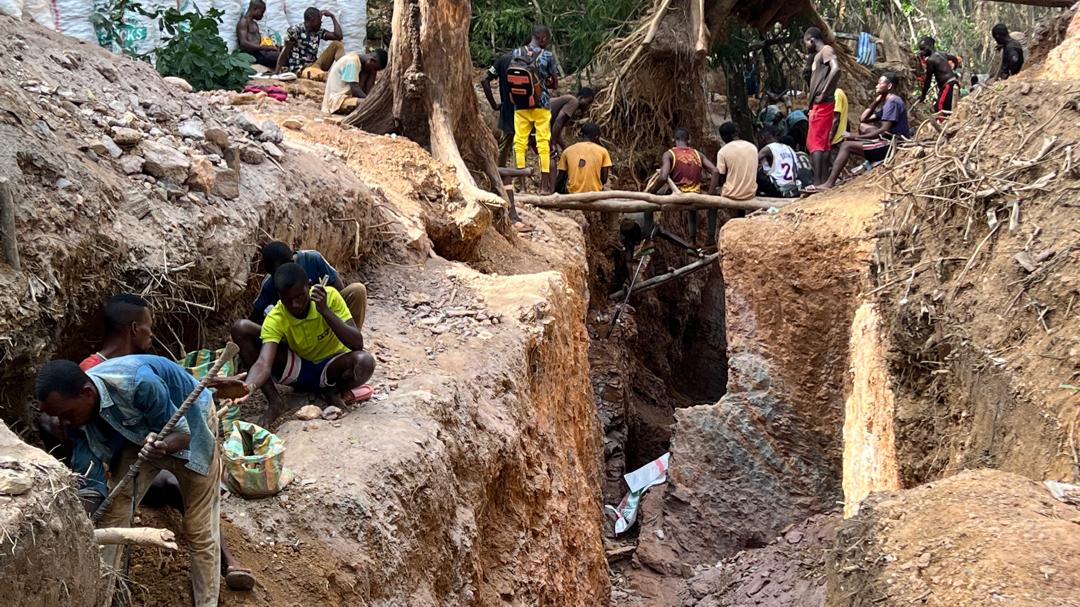
The Groupe de travail de la société civile (GTSC) has raised an alarm regarding the recurring landslides at mining sites. The civil society group noted the persistent issue of land collapses in these operational areas, pointing to ongoing hazards. GTSC's statement shows concerns about the safety and stability of these sites, urging attention to the underlying causes of the incidents.
Governance and Safety Concerns
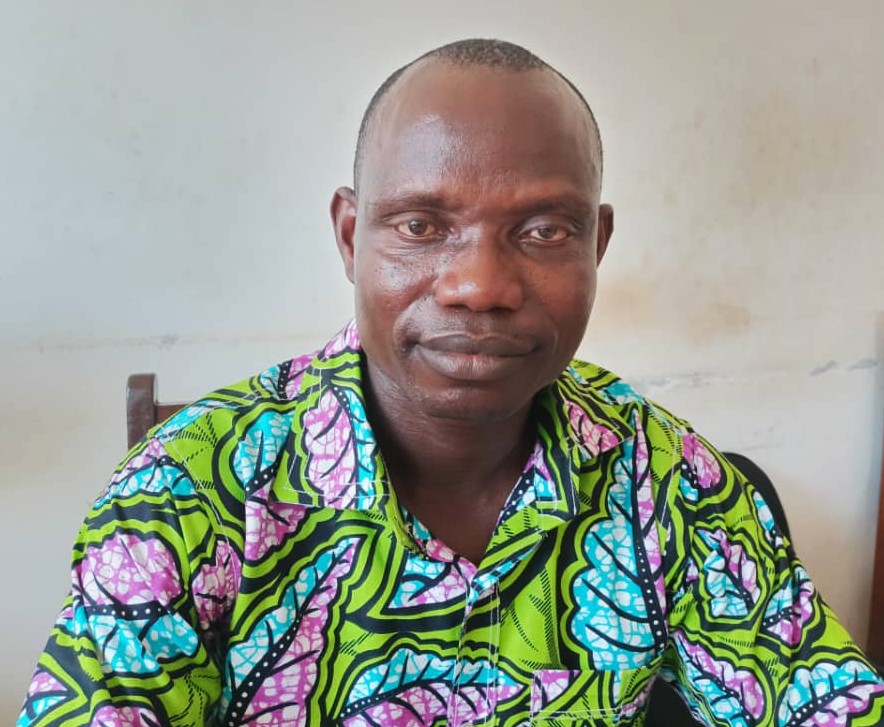
According to Dr. Paul Crescent Beninga, spokesperson for the Groupe de travail de la société civile (GTSC), the repeated landslides and associated tragedies reflect persistent failures in the governance of the mining sector. Dr. Beninga's statement links the ongoing incidents, including those at sites like Sosso-Nakombo, directly to systemic issues within oversight frameworks. The GTSC has consistently pointed to what it describes as inadequate regulatory enforcement and a lack of accountability contributing to hazardous conditions. This perspective suggests that the problem extends beyond singular operational mishaps, indicating deeper structural deficiencies. The civil society group argues that without significant improvements in how mining activities are managed and supervised, communities living near these sites will continue to face substantial risks. GTSC's analysis shows the need for full reforms to protect both workers and local populations from the dangers posed by unstable mining operations. The organization calls for a thorough re-evaluation of current practices and the implementation of more strong safety protocols and governance mechanisms.
Expert Analysis of Tragedies
The repeated occurrence of fatal landslides in mining areas has prompted calls for a deeper examination of the underlying causes beyond immediate operational failures. Experts analyzing these incidents often point to a confluence of environmental, geological, and regulatory factors. The inherent instability of certain geological formations, exacerbated by excavation techniques, can create conditions prone to collapse. The intensity and frequency of heavy rainfall in some mining regions are known to contribute to soil saturation and increased landslide risk.
Beyond the natural elements, analyses frequently highlight the impact of human activity and governance. The pressure to extract minerals efficiently can sometimes lead to practices that compromise slope stability, such as inadequate terracing or rapid excavation. Concerns about insufficient geological surveys and risk assessments before and during mining operations are also commonly raised. These technical deficiencies, when combined with what some describe as systemic governance weaknesses, create a complex environment where tragedies can recur. The focus of these expert analyses often shifts towards identifying patterns in failures, aiming to inform preventative measures and policy reforms that can mitigate future risks.
Call for Sector Reform
The Groupe de travail de la société civile (GTSC) has also attributed the recurring landslides to a widespread non-compliance with established safety standards at mining exploitation sites. According to the civil society group, this failure to adhere to critical regulations directly contributes to the hazardous conditions leading to collapses. The GTSC’s analysis suggests that lax oversight allows mining operations to proceed without fully implementing the necessary precautions to ensure site stability and worker safety. This perspective shows the need for stricter enforcement mechanisms and greater accountability within the sector to prevent future tragedies. The group emphasizes that addressing this non-compliance is essential for mitigating risks associated with mining activities.