Recent heavy rains in Bangui have again brought attention to the city's persistent flooding issues, primarily due to clogged drainage canals. These vital waterways, intended to manage water flow, are significantly obstructed by an accumulation of sand and various types of household waste. The blockages severely impede the canals' ability to drain water effectively, contributing to the recurrent inundation of urban areas. The recent heavy rains have particularly noted the urgency of addressing this critical infrastructure problem.
Roots of the Problem
The population of Bangui has grown significantly, and some inhabitants utilize the canals as dumping grounds for their waste. This practice leads to waste accumulation within the waterways, which can completely prevent water flow. Due to a lack of designated disposal sites, some residents reportedly wait until night to dispose of their waste into the canals, further exacerbating the problem of clogged drainage canals. This illicit dumping contributes significantly to the volume of debris that obstructs the city's waterways. Additionally, the canals have not undergone maintenance for several years, exacerbating the blockages and reducing their capacity to manage water effectively. The combination of increased population, inadequate waste disposal infrastructure, and prolonged neglect of maintenance has created a challenging situation for Bangui's drainage system.
Community Efforts and Frustration
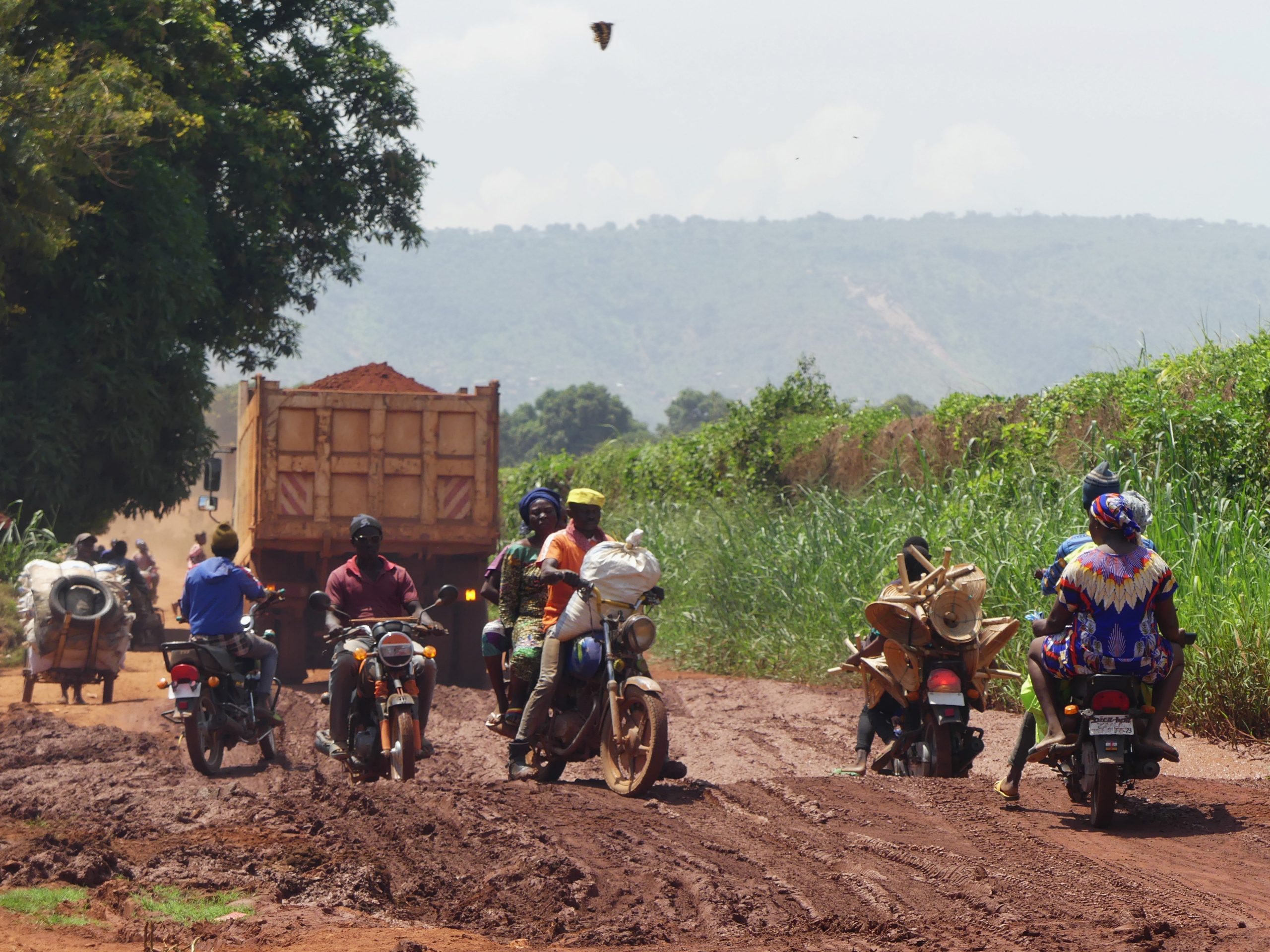
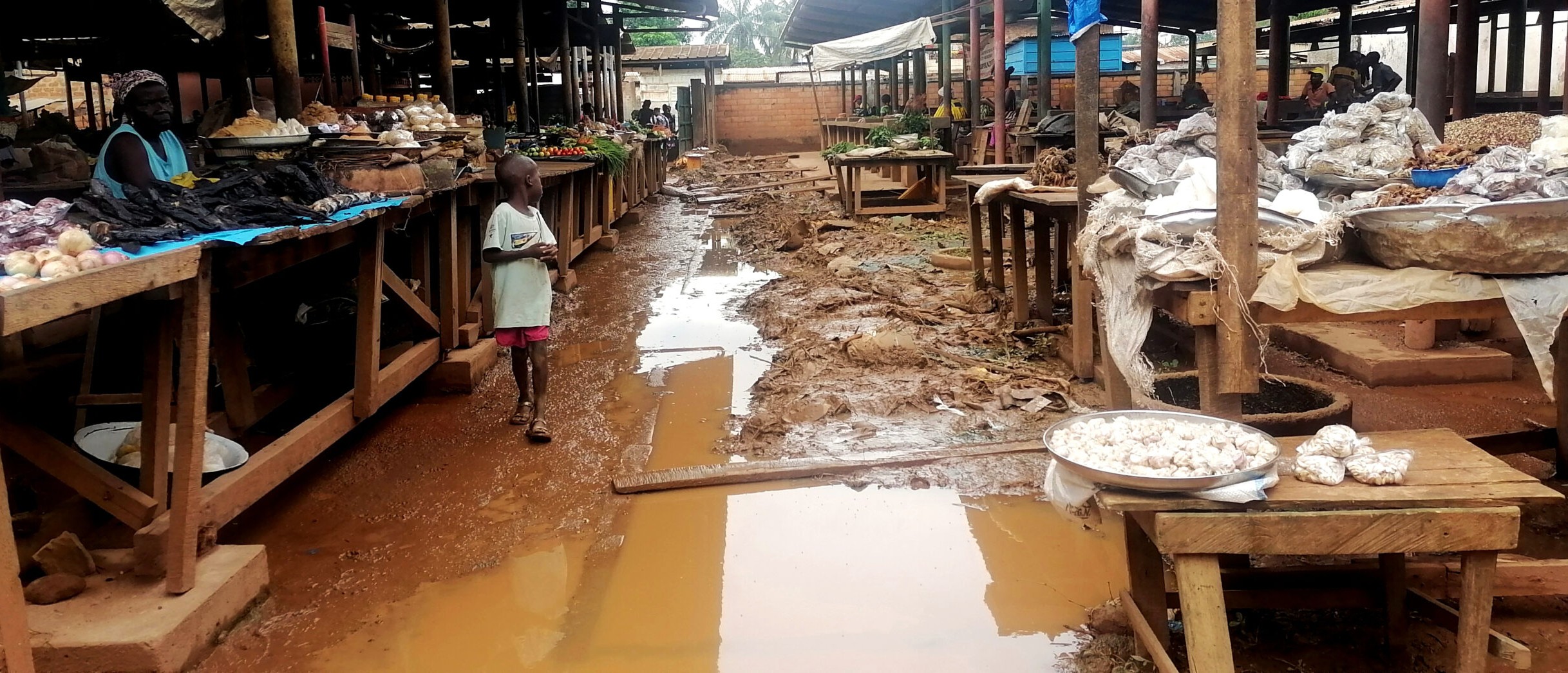
Taxi-moto drivers at the Miskine-Malimaka roundabout frequently organize unscheduled clean-up operations, clearing debris from nearby canals themselves. These efforts aim to mitigate the impacts of blockages on local water flow. These community-led initiatives show the immediate and tangible threat posed by the clogged canals to daily life and movement. Residents, however, continue to express significant frustration regarding the broader urban infrastructure. They denounce what they describe as a lack of urban planning in this part of Bangui. This perceived deficiency manifests in difficult road conditions, widespread stagnant water, and increasingly unsanitary living conditions across affected neighborhoods. The community's self-initiated cleaning actions show the ongoing challenges faced by residents in managing the city's drainage problems, as they often take matters into their own hands in the absence of official intervention.
The Impact of Neglect
The water drainage canals that connect the Ngoubagara bridge to the Miskine bridge are experiencing significant functional difficulties. These key waterways, designed to channel excess water away from residential areas, are struggling to perform their intended role. Their impaired capacity to drain water effectively directly contributes to the recurrent flooding that affects parts of Bangui. This situation notes the challenges faced by the city's infrastructure in managing water flow, particularly during periods of heavy rainfall. The compromised state of these specific canals shows the broader issues impacting Bangui's drainage system and its consequences for urban living conditions. The obstruction of these canals by sand and household waste is a primary factor in their reduced functionality.
Calls for Urban Planning
The obstruction of drainage canals throughout Bangui contributes significantly to the persistent flooding that regularly affects several neighborhoods across the Central African capital. This recurring inundation shows the challenges faced by city residents, particularly during the rainy season. The blocked waterways exacerbate water accumulation, leading to widespread disruption and damage in affected areas. The failure of these essential drainage systems notes critical infrastructure deficiencies that residents say require urgent attention. The continuous cycle of blockages and subsequent flooding points to a broader need for full urban planning and maintenance strategies to mitigate environmental and social impacts on the city's population. Addressing the problem of clogged drainage canals is seen as a key step towards improving public health and urban resilience in Bangui.