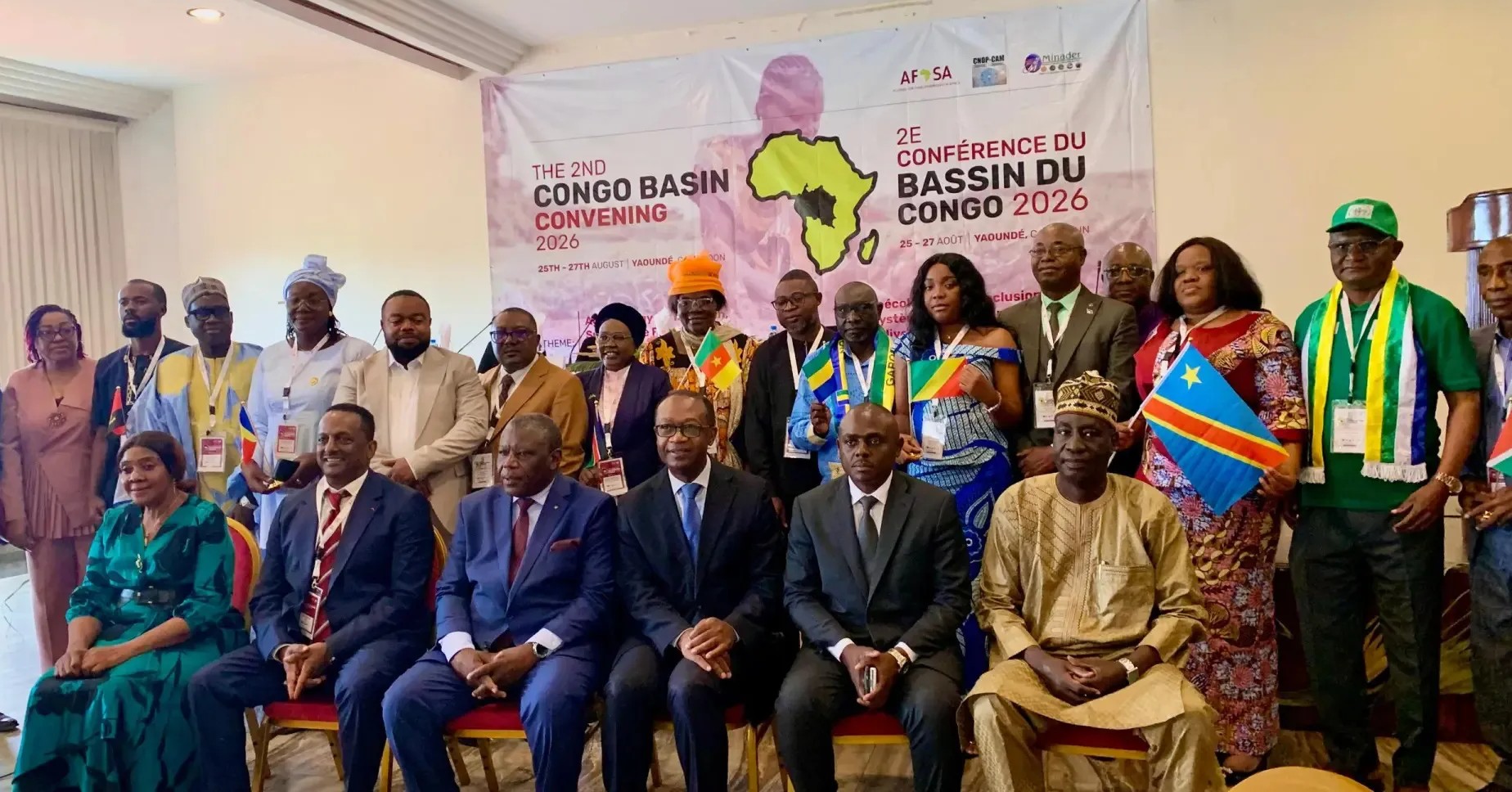
The second Conférence du Bassin du Congo sur l’agroécologie opened on Tuesday, August 25, in Yaoundé, Cameroon. This significant event brings together regional and international stakeholders to delve into the critical role of agroecology within the Congo Basin region, a vital area for global biodiversity and climate regulation. The conference aims to foster a collaborative environment where diverse perspectives on sustainable agricultural practices can be shared and debated, ultimately contributing to more resilient food systems and environmental protection.
Conference Details and Duration
Participants at the second Conférence du Bassin du Congo sur l’agroécologie are scheduled to exchange ideas over a period of three days in Yaoundé, Cameroon. This extended duration allows for full discussions on sustainable agricultural methods relevant to the Congo Basin, ensuring that all key aspects of agroecology are thoroughly explored. The event commenced on Tuesday, August 25, bringing together stakeholders from across the region to discuss agroecological practices. These exchanges aim to foster collaboration and share knowledge among experts, farmers, policymakers, and civil society representatives. The conference's structure is designed to facilitate in-depth exploration of challenges and opportunities within agroecology, promoting long-term food security and environmental resilience in the region. The three-day format provides ample time for workshops, presentations, and interactive sessions, encouraging a holistic approach to agricultural development that respects local ecosystems and traditions. This collaborative platform is essential for developing actionable strategies that can be implemented effectively across the diverse landscapes of the Congo Basin.
Focus on Sustainable Food Systems
The second Conférence du Bassin du Congo sur l’agroécologie has adopted the theme « Agroécologie inclusive, systèmes alimentaires durables, biodiversité et justice climatique ». This full theme shows the conference's commitment to addressing interconnected challenges within the Congo Basin region, recognizing that agricultural practices are deeply intertwined with social equity, environmental health, and climate change. The focus on inclusive agroecology aims to ensure that sustainable agricultural practices benefit all stakeholders, including smallholder farmers and local communities, by promoting equitable access to resources and knowledge. This approach seeks to empower marginalized groups and integrate traditional ecological knowledge into modern agricultural strategies.
Discussions during the event are centered on developing resilient and sustainable food systems that can withstand environmental pressures and contribute to long-term food security for the growing population of the Congo Basin. By integrating biodiversity considerations, the conference seeks to highlight the importance of preserving natural ecosystems while enhancing agricultural productivity. This involves promoting practices that protect soil health, water resources, and local flora and fauna, which are key for maintaining ecological balance. The inclusion of climate justice in the theme emphasizes the need for solutions that not only mitigate climate change impacts but also address historical inequalities and vulnerabilities faced by communities in the region. Participants are exploring strategies to implement these principles effectively across the diverse landscapes of the Congo Basin, considering the unique socio-economic and ecological contexts of different areas. The deliberations aim to formulate concrete recommendations for policy-makers and practitioners to advance agroecological transitions.
Reporting and Context
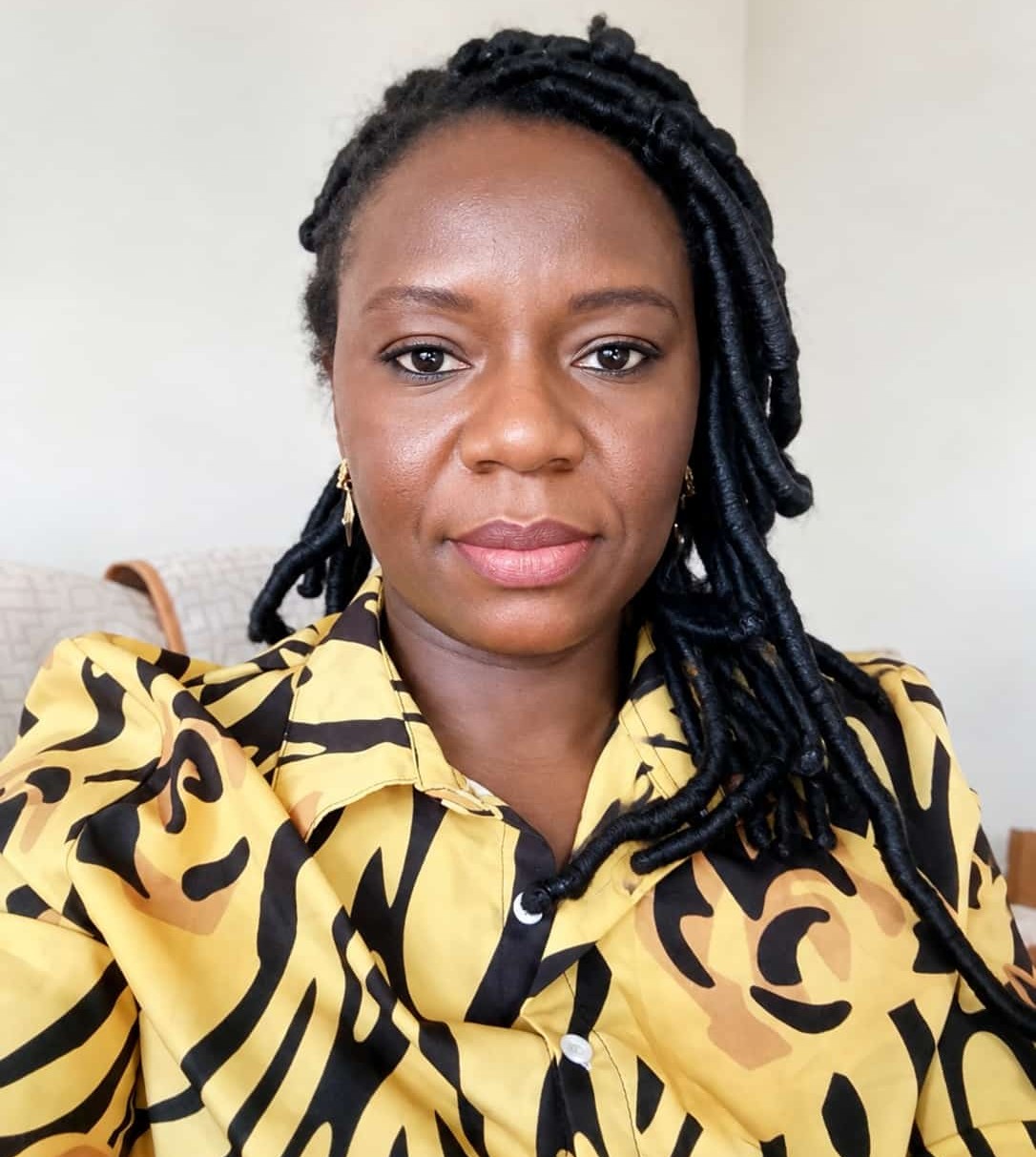
Edda Lotine Djiko is serving as the special envoy providing coverage of the second Conférence du Bassin du Congo sur l’agroécologie. Her reporting from Yaoundé, Cameroon, contributes to broader dissemination of the conference's proceedings and discussions, ensuring that the critical insights generated are communicated to a wider audience. The role involves detailing the various sessions, expert contributions, and outcomes of the event, which focuses on inclusive agroecology, sustainable food systems, biodiversity, and climate justice within the Congo Basin. Ms. Djiko's full coverage is key for noting the importance of the conference's objectives and the collaborative efforts being made to achieve them. Her work ensures that the key messages and proposed strategies from the conference reach a wider audience, informing stakeholders about the ongoing efforts to promote sustainable agricultural practices in the region. This detailed reporting helps to build awareness and encourage further engagement from international organizations, national governments, and local communities in supporting agroecological initiatives.