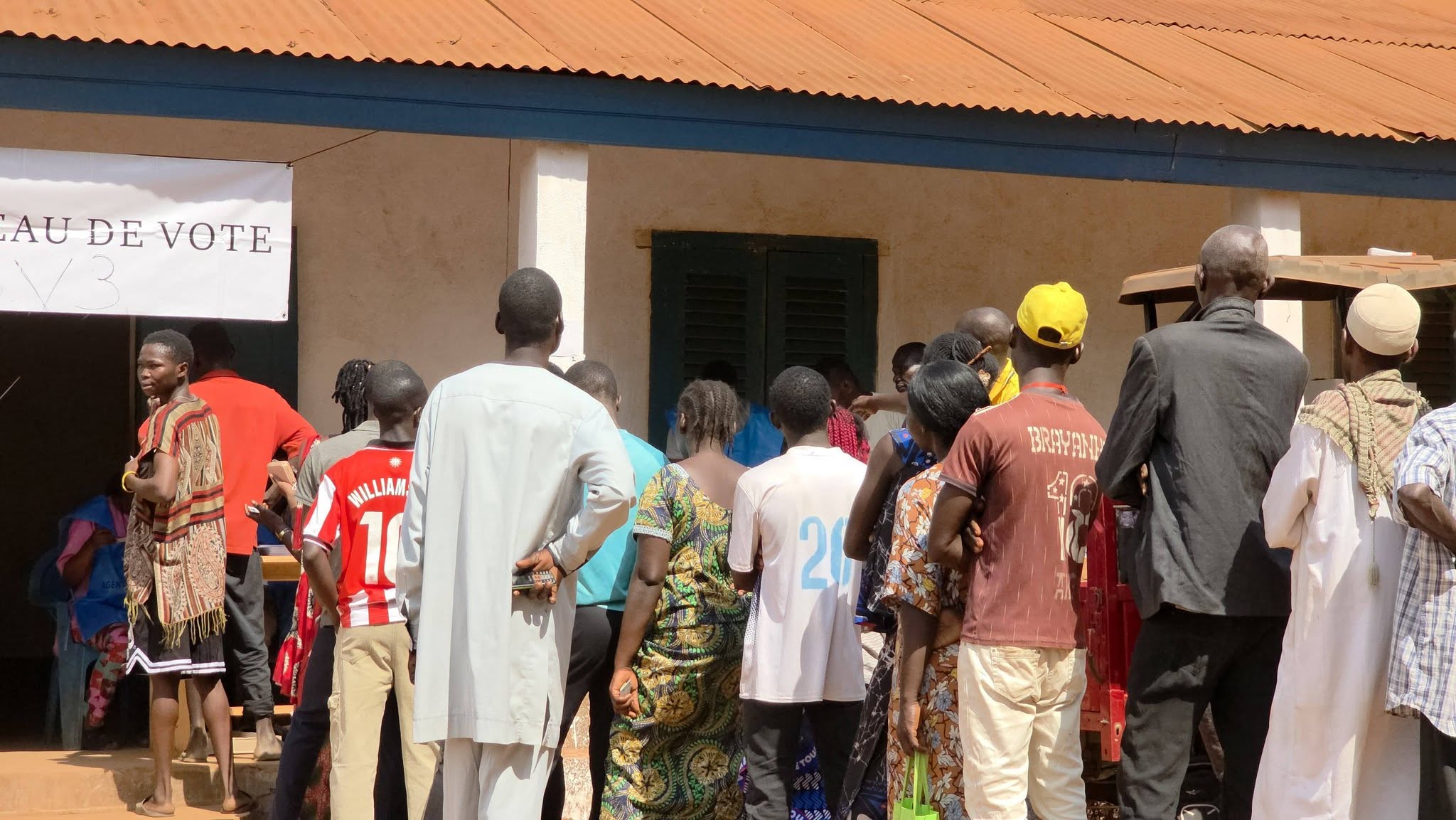
The definitive results for the second round of legislative elections and partial elections were published on June 19. Following this announcement, the Constitutional Council (Conseil constitutionnel) subsequently ordered the cancellation of election outcomes in certain constituencies and the invalidation of specific candidates. These decisions were made due to irregularities identified during the electoral process. The council's actions aimed to address concerns regarding the fairness and integrity of the recently concluded polls. The Constitutional Council's declaration showed its role in ensuring the legitimacy of the electoral process, particularly in instances where procedural or substantive issues arose. This intervention by the Constitutional Council involved a thorough review of various electoral complaints and allegations.
Council's Electoral Review Process
During the electoral dispute period, the Constitutional Council registered a total of 99 requests and 85 reply briefs. These submissions formed the basis for the Council's extensive review. The Council's review process included conducting vote recounts in specific constituencies where discrepancies were alleged, a critical step to verify the accuracy of reported figures. This careful examination was part of the body's efforts to verify the integrity of the electoral outcomes and ensure that the final results accurately reflected the will of the voters. The Council's procedures are designed to provide a strong mechanism for addressing any challenges to the initial election results.
The Constitutional Council also took action to dismiss several contestations that were deemed inadmissible based on procedural grounds. These rejections noted the strict adherence to legal and administrative protocols required for electoral challenges. Additionally, other requests were rejected by the Council due to a lack of sufficient proof to substantiate the claims of irregularities. Despite these rejections, the Council confirmed certain provisional results, indicating that not all initial outcomes faced successful challenges and that many results were upheld after scrutiny. The Council's full approach involved not only invalidating problematic outcomes but also affirming those that met legal standards.
Constituencies Challenge Results
Voters are denouncing discrepancies between expressed votes and the National Election Authority (ANE) proclaimed results, leading to widespread dissatisfaction. In the Bimbo 1 constituency, supporters of candidate Thierry Landry Mokongouma expressed surprise regarding his invalidation. The ANE proclamation indicated that Mr. Mokongouma secured over 6,000 votes, while his opponent Boris received 3,000 votes in Bimbo 1. This significant difference in votes, followed by Mr. Mokongouma's invalidation, has led to questions and strong reactions among the local electorate, who feel their votes were not adequately represented in the final decisions. The disparity between the initial vote count and the Council's ultimate decision has fueled public debate.
Meanwhile, challenges to election results have also emerged in other regions, reflecting a broader pattern of discontent. In the Bouar 2 constituency, voters are contesting the invalidation of their favored candidate, Mathurin Issabe, expressing their belief that the decision undermines democratic principles. Residents in Markounda have similarly demanded the recognition of their democratically elected candidate, emphasizing the importance of respecting the initial ballot outcomes. These protests across multiple constituencies highlight a broader dissatisfaction with the electoral process and the decisions made by authorities following the initial vote count. The disputes show a perceived divergence between ballots cast and the final official declarations, prompting calls for greater transparency and accountability in the electoral system.
Council Defends Irrevocable Decisions
The Constitutional Council is defending the criteria that guided its decisions, according to official statements. The Council emphasized that its decisions are irrevocable and without appeal, as stipulated by law. This legal framework grants the Council ultimate authority in electoral matters, making its rulings final. Due to irregularities identified during the electoral process, the Constitutional Council invalidated candidacies, a measure taken to uphold the integrity of the elections. The Council also made adjustments to vote counts in favor of specific candidates and ordered vote recounts in certain constituencies, demonstrating its active role in rectifying identified issues. These actions, while contested by some, are presented by the Council as necessary steps to ensure fairness and adherence to electoral laws.