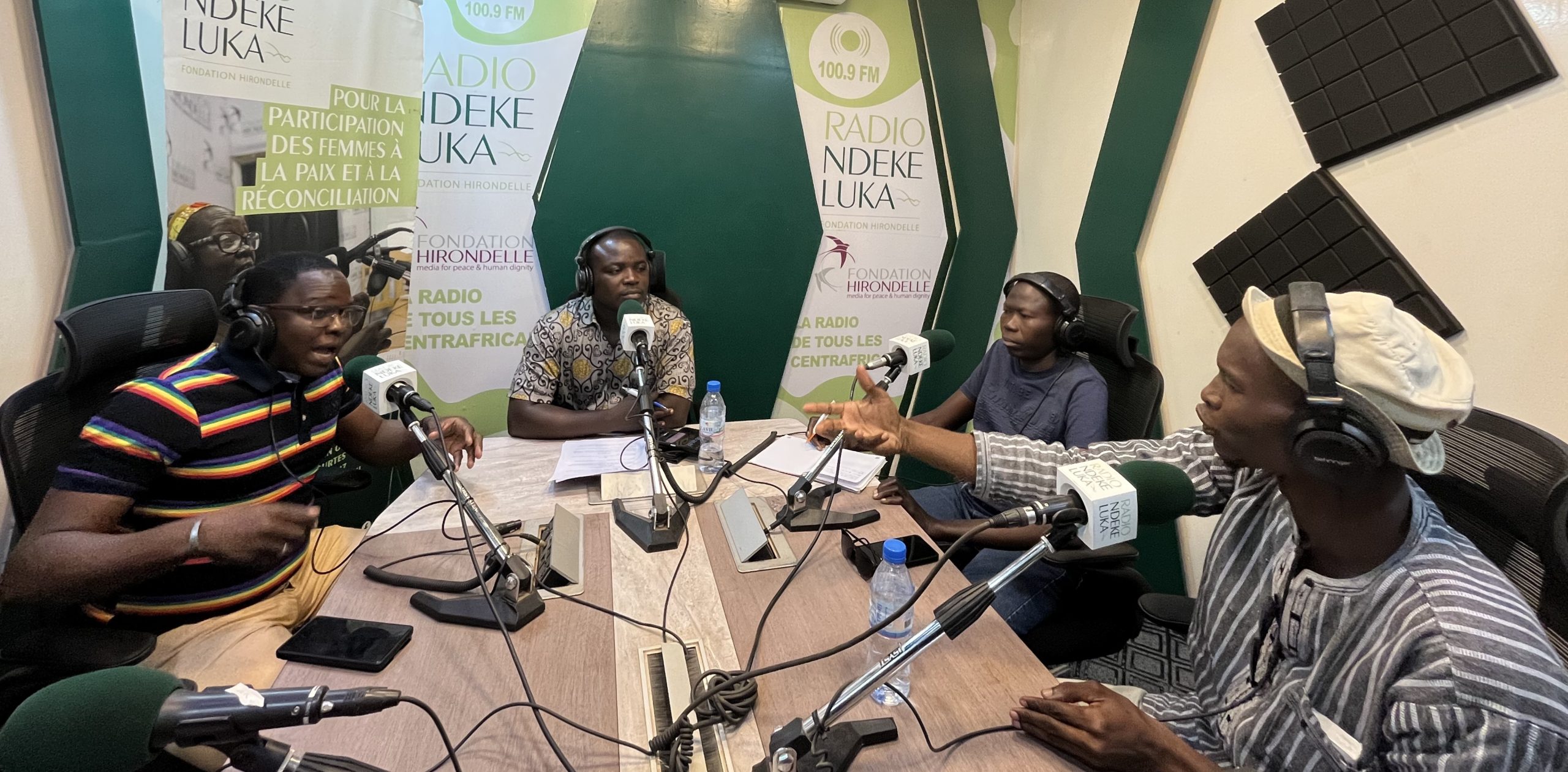
Félix Moloua was reappointed to the Prime Minister position, prompting a debate on the political implications of the decision. The discussion occurred on May 16, 2026, focusing on whether the reappointment represents a calculated political choice or a gamble. This significant political event has drawn considerable attention, with various commentators weighing in on its potential impact on the nation's governance and future trajectory. The reappointment of a Prime Minister is often a key moment, signaling continuity or a shift in political strategy, and in this instance, it has sparked a strong public discourse. The central question revolves around the underlying rationale for retaining Moloua in his high-profile role.
Debate Participants
Steeve Bendo-Ndeni, William Ndjapou, and Elysée Nguimalé participated in the debate concerning Félix Moloua's reappointment. These individuals brought diverse perspectives to the discussion, enriching the analysis of the political landscape. William Ndjapou is identified as a political advisor to the President of the Republic, offering insights likely informed by proximity to the highest echelons of power. His participation shows the importance of the debate within political circles. Steeve Bendo-Ndeni, known for his observations on socio-political life in the Central African Republic, provided an external, analytical viewpoint. Elysée Nguimalé, as the coordinator of the Observatory for Democratic Governance in the Central African Republic (OGDC), contributed an institutional perspective focused on democratic principles and governance standards. The presence of these key figures ensured a full examination of the reappointment's implications.
Framing the Political Debate
The reappointment of Félix Moloua as Prime Minister has been framed as a central subject of political discussion, specifically debated under the title 'Reconduction de Félix Moloua: pari ou choix politique?'. This French title directly translates to 'Reappointment of Félix Moloua: gamble or political choice?', encapsulating the core dilemma at the heart of the public discourse. This debate aims to dissect whether the decision to retain Moloua in his position represents a calculated political choice by the government or a more speculative gamble. The framing of the topic suggests an open inquiry into the strategic rationale behind the reappointment, inviting a thorough examination of its potential benefits and risks. The discussion involves various political commentators and advisors, offering different perspectives on the implications of this leadership continuity for the country, touching upon stability, reform, and public confidence. The very title of the debate notes the critical nature of the decision and its potential long-term consequences for the Central African Republic.
Context and Analysis
Steeve Bendo-Ndeni, an observer of socio-political life in the Central African Republic, contributed to the discussion surrounding Félix Moloua's reappointment. His extensive experience in analyzing the country's social and political dynamics allowed him to offer perspectives rooted in a deep understanding of its complexities. Bendo-Ndeni's contributions focused on how the reappointment might resonate with the general populace and impact the broader societal fabric. His analysis likely considered the historical context of political appointments in the Central African Republic and the current socio-economic challenges facing the nation.
Elysée Nguimalé, the coordinator of the Observatory for Democratic Governance in the Central African Republic (OGDC), also participated in the debate. The OGDC is an organization dedicated to monitoring and promoting democratic principles and good governance within the nation. Nguimalé's involvement brought an organizational viewpoint on how the decision aligns with or diverges from established democratic governance practices and transparency standards. His perspective would have scrutinized the process and implications of the reappointment through the lens of institutional integrity and accountability. Their contributions, alongside that of William Ndjapou, form part of the broader analysis of the Prime Minister's continued tenure, offering a multifaceted view of its significance for the Central African Republic's political future. The combined expertise of these participants provided a rich tapestry of opinions and analyses, allowing for a full public understanding of the political event.