Former anti-balaka militia general Kokoro Mermoz was arrested on Wednesday in Bangui, the capital of the Central African Republic. The apprehension of the former general, who previously led the anti-balaka in Gambo, a significant town within the Mbomou prefecture, marks a notable development in the ongoing efforts to address impunity for serious crimes committed during the nation's conflict years. Security forces carried out the arrest, acting specifically on instructions issued by the Cour pénale spéciale (CPS), the specialized judicial body tasked with prosecuting grave human rights violations. Mermoz was in Bangui for administrative procedures related to his recent election as a municipal councilor when gendarmes took him into custody. Following his apprehension, he was subsequently handed over to the justice system, initiating the formal legal process against him.
Background and Allegations
Kokoro Mermoz is widely recognized in the Gambo region as a prominent leader of an anti-balaka group, which was active during periods of intense conflict in the Central African Republic. His name has been consistently linked to multiple acts of violence committed in the southeast of the Central African Republic during the tumultuous conflict years. These allegations show the gravity of the charges he potentially faces. His recent arrest follows several years during which he had remained free, despite legal proceedings actively targeting other members of his group. This period of freedom for Mermoz had been a point of concern for some observers, given the allegations against him. Indeed, several of his former companions have already been apprehended and are currently detained at Camp de Roux, a facility known for housing individuals facing serious charges related to the conflict.
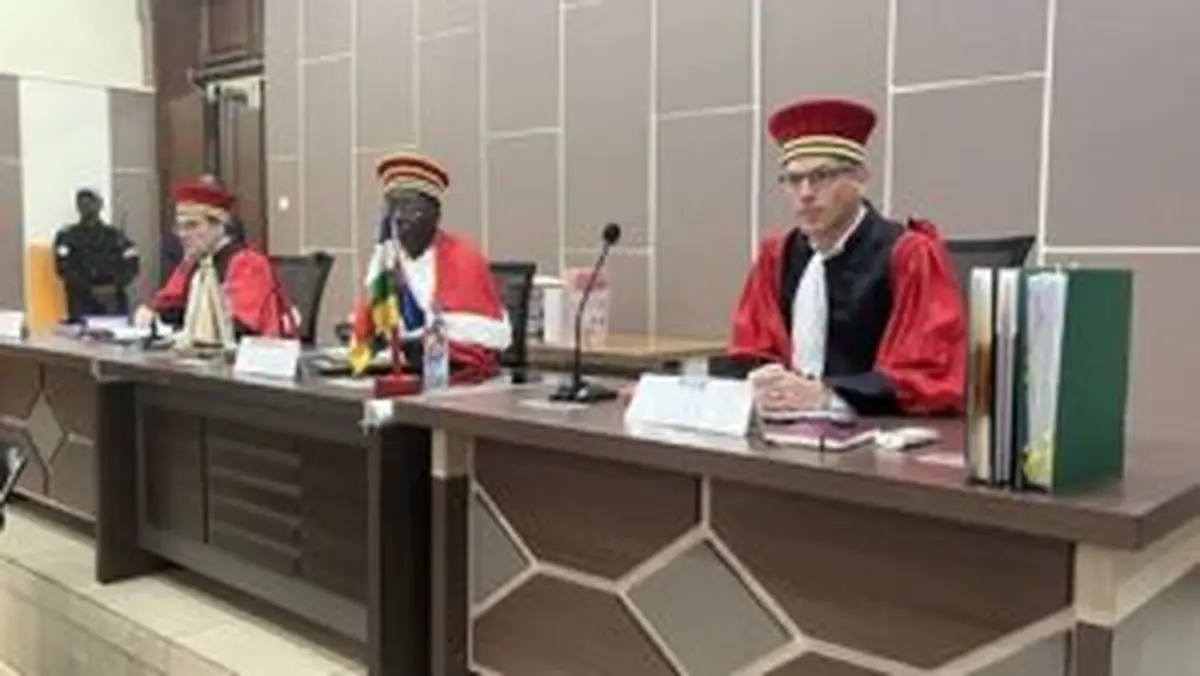
The Cour pénale spéciale (CPS), which directed Mermoz's arrest, is a hybrid court established to address the most severe crimes committed in the country. It is the body specifically responsible for investigating, instructing, and judging serious violations of human rights and international humanitarian law that have occurred in the Central African Republic since 2003. This mandate empowers the CPS to pursue individuals like Mermoz, irrespective of their current status or past influence, ensuring that accountability for atrocities remains a priority. The CPS's involvement notes the commitment to bringing to justice those responsible for grave crimes, a critical step towards national reconciliation and the rule of law.
The Arrest and Identity Verification
During the moments of his apprehension, Kokoro Mermoz initially attempted to mislead authorities by denying his true identity. He explicitly stated that he did not go by the name Mermoz when questioned by the security forces who had surrounded him. This denial, however, proved to be a futile attempt to evade capture. Subsequent verifications conducted meticulously by the authorities definitively established his identity as Kokoro Mermoz. This confirmation was a key step in the arrest process, ensuring that the individual taken into custody was indeed the former anti-balaka leader sought by the Cour pénale spéciale (CPS). The initial denial of identity did not impede the process as officials proceeded with standard identification protocols to confirm his personal details, relying on established procedures to overcome any attempts at obfuscation. The thoroughness of these verification steps showed the preparedness of the security forces and the judicial body in executing the arrest warrant.
Political Transition and Legal Status
After his involvement with the anti-balaka, Kokoro Mermoz progressively entered the political arena, a path taken by several former combatants in the Central African Republic. He participated in the electoral process, running as a candidate in the Gambo region, the very area where he had previously led the anti-balaka group. Mermoz was recently elected a regional councilor, a position that necessitated his presence in Bangui to undertake administrative procedures related to his new political role. This political transition, however, does not shield him from past alleged actions. Authorities maintain that his status as an elected local official does not impede the legal proceedings against him. The legal framework of the Central African Republic, particularly with the establishment of the CPS, ensures that individuals cannot claim immunity for serious crimes based on their current political positions.
The Cour pénale spéciale (CPS) is mandated to investigate and prosecute serious violations of human rights and international humanitarian law committed in the Central African Republic, regardless of the perpetrator's background or current standing. This steadfast commitment to justice ensures that political office does not grant impunity for crimes that fall under the CPS's jurisdiction. Mermoz's arrest sends a clear message that all individuals, regardless of their political evolution or electoral success, are subject to the rule of law when it comes to alleged grave human rights abuses and violations of international humanitarian law. This principle is fundamental to rebuilding trust in state institutions and fostering lasting peace in the Central African Republic.