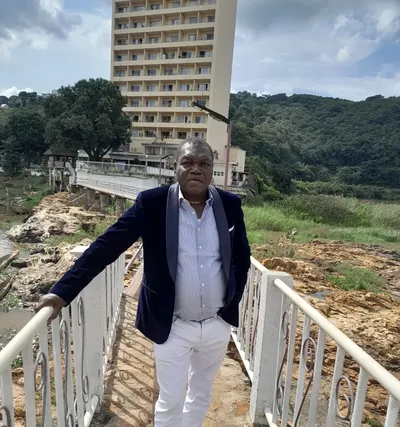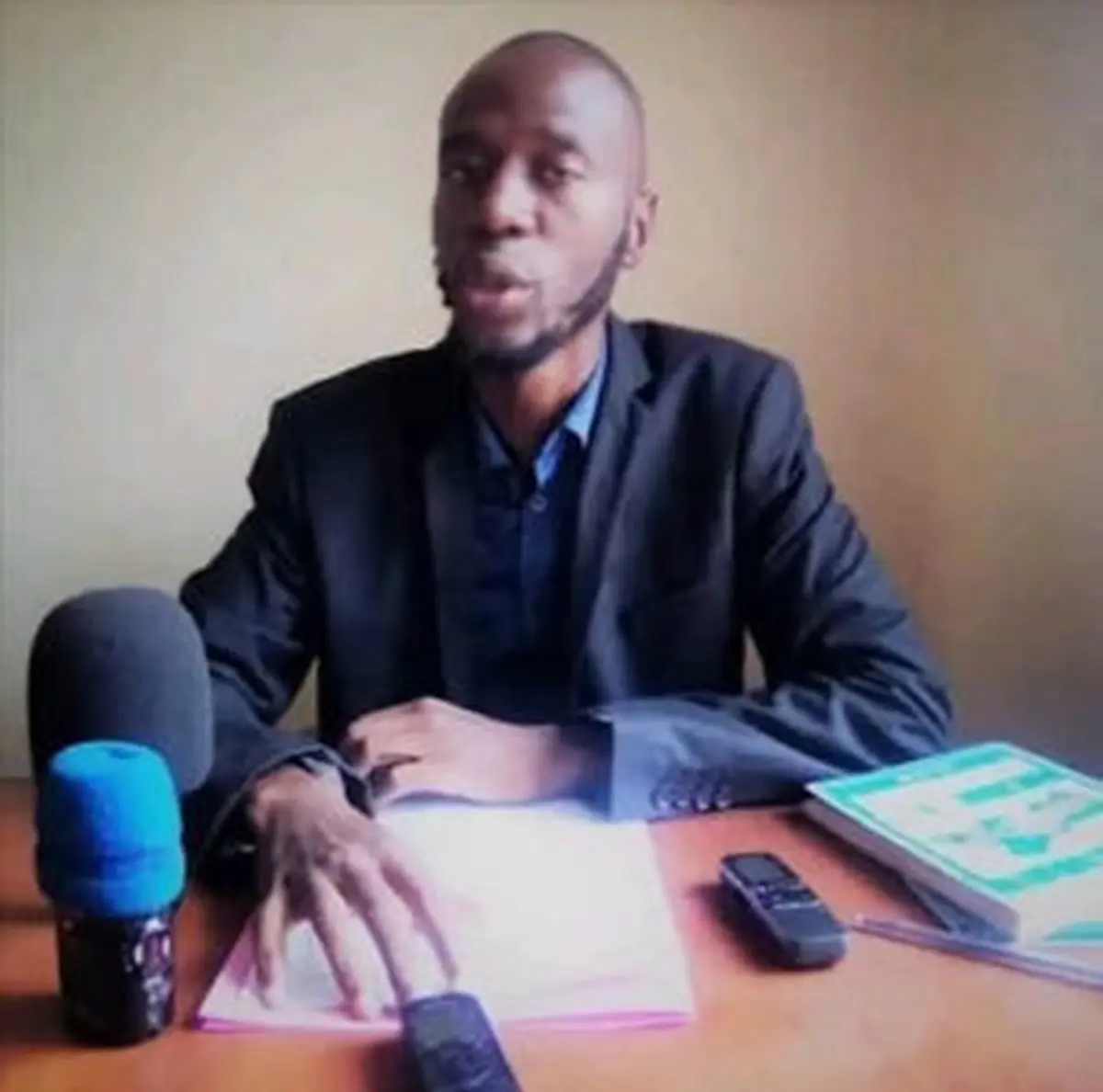
Farid Tahéruka Shabazz, a Central African political scientist, stated on Facebook that Elie Nzue Nguema Ovono, the Gabonese head of BGFI Bank Centrafrique, is facing significant criticism from government supporters on social media. Shabazz claimed Ovono is "strongly criticized by government supporters on social media." He further asserted, "Ce Gabonais de la BGFI là, je suis sûr qu’il doit être haï et copieusement détesté par la clique à Touadéra," referring to President Touadéra's circle. Shabazz also commented on the bank's stance, stating, "C’est fini les tirages spéciaux pour payer les fonctionnaires à crédit." The political scientist's statements, published on his Facebook page, have brought to light the growing tensions surrounding the country's financial management.
Criticism and Shifting State Finances
Farid Tahéruka Shabazz, a Central African political scientist, believes the criticism directed at Elie Nzue Nguema Ovono reflects growing governmental hostility towards the BGFI Bank Centrafrique head. The campaign against Ovono is linked by the article to the cessation of using bank credit to cover public payments. This situation notes a broader debate concerning the state's treasury and its ability to finance expenses using its own available resources. The focus of the discourse has shifted towards the government's financial independence rather than relying on external credit for operational costs. This refusal by Ovono to continue financing state expenses on credit has become a central point of contention, drawing the ire of government supporters.
Background on State Payments
The article notes that the payments in question cover salaries for civil servants, FACA soldiers, gendarmes, police personnel, as well as benefits for retirees and scholarship holders. Farid Tahéruka Shabazz, a Central African political scientist, suggests that the state is now compelled to use its available public funds for these disbursements. He indicates that the previous system, which allowed for "special credit draws for civil servants," has concluded. This shift implies a move towards greater financial self-sufficiency for the state in managing its recurring expenditures, rather than relying on credit-based financing for essential public sector payments. The cessation of these credit facilities by BGFI Bank Centrafrique, under the leadership of Elie Nzue Nguema Ovono, has forced the government to re-evaluate its financial strategies.
Political Scientist's Analysis
Elie Nzue Nguema Ovono, the Gabonese head of BGFI Bank Centrafrique, faces significant criticism, according to Central African political scientist Farid Tahéruka Shabazz. This backlash follows Ovono's reported refusal to continue financing state expenses on credit. The bank's decision marks a shift from previous arrangements where public payments, including civil servant salaries, FACA soldiers' wages, gendarme and police personnel pay, as well as retiree benefits and scholarship disbursements, were covered through credit. Shabazz indicated that the former system, which allowed for "special credit draws for civil servants," has now ended. This development suggests a move towards the state relying on its own available public funds for these essential expenditures, rather than external credit. Shabazz's analysis, shared on Facebook, shows the severity of the situation and the implications for the state's financial autonomy. The debate now centers on the state's treasury and its capacity to finance expenses with its own resources, rather than through bank credit.
Government Hostility Alleged
Farid Tahéruka Shabazz, a Central African political scientist, suggested that criticism of Elie Nzue Nguema Ovono reflects growing governmental hostility. This alleged hostility stems from Ovono's reported refusal to continue financing state expenses on credit via BGFI Bank Centrafrique. The political scientist linked the campaign against Ovono to the cessation of using bank credit for public payments. Shabazz's statements on Facebook explicitly highlight the strong criticism Ovono is receiving from government supporters on social media, framing it as a direct consequence of the bank's revised policy regarding state financing. This situation shows a broader shift in how the state intends to manage its financial obligations, moving away from credit-based solutions for essential public services.