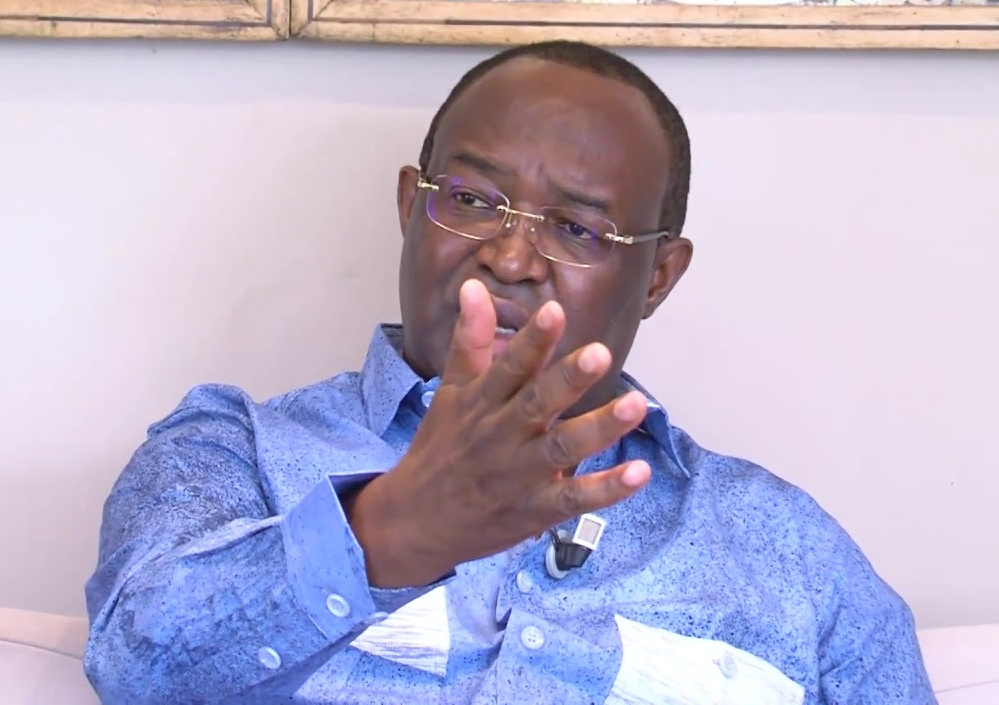
The government of Centrafrique continues to refuse the issuance of a passport to opposition figure Anicet-Georges Dologuélé, maintaining its stance on the matter. This denial has persisted, creating a point of contention between the government and the prominent opposition leader. The authorities' position indicates ongoing conditions or requirements that Dologuélé has reportedly not yet met for the document to be issued. The government firmly maintains its position regarding the opposition figure, to whom the issuance of a passport is still refused, showing a consistent policy.
Passport Condition Explained
The government's continued refusal to issue a passport to Anicet-Georges Dologuélé is predicated on a specific condition. Authorities have stated that the issuance of the travel document remains contingent upon an official request for reintegration into Central African nationality. This request, according to government directives, must be formally addressed to the Head of State, Faustin-Archange Touadéra. This requirement implies that the government views Dologuélé as having previously renounced or lost his Central African nationality, necessitating a formal process to reclaim it before a passport can be granted. The government's stance is unequivocal: the passport will not be issued unless this fundamental condition is met. This condition has been a central point of contention in the ongoing dispute over Dologuélé's travel documents, with the government showing no signs of wavering from its established protocol.
Background on Nationality Status
The government's stance regarding Anicet-Georges Dologuélé's nationality status stems from specific legal interpretations or administrative records not publicly detailed. The requirement for a formal reintegration request suggests that, from the government's perspective, Mr. Dologuélé’s Central African nationality is either considered to have been previously renounced, lost, or otherwise suspended. This condition necessitates an official application to President Faustin-Archange Touadéra for the restoration of citizenship rights. The process implies a legal framework exists within Centrafrique's statutes that governs the reacquisition of nationality for individuals who may have forfeited it under certain circumstances. This legal pathway, as interpreted by the authorities, is the only avenue for Mr. Dologuélé to regain his Central African nationality and subsequently qualify for a passport. The demand for such a request forms the fundamental basis of the current passport denial, as authorities maintain it must be fulfilled before a travel document can be issued. The government's consistent refusal notes the importance it places on adherence to this specific administrative procedure concerning national identity.
Future Implications and Timeline
The ongoing dispute over Anicet-Georges Dologuélé's passport and nationality status could extend for an unspecified period, with no immediate resolution publicly indicated by the government. The requirement for a formal request for reintegration into Central African nationality, addressed to President Faustin-Archange Touadéra, remains a central barrier to the opposition leader obtaining a travel document. Without this formal application, the government's position suggests that Dologuélé’s passport will not be issued. The government's steadfastness on this point means that any progress is entirely dependent on Mr. Dologuélé's willingness to comply with the stipulated procedure.
The timeline for any potential resolution remains unclear. Should Mr. Dologuélé choose to submit the required request, the administrative process for nationality reintegration and subsequent passport issuance would then commence. The specific duration of such a process has not been detailed by Centrafrique authorities, adding to the uncertainty. The current political landscape suggests that the issue could remain a point of contention until at least August 27, 2026 (27 août 2026), a date which may have relevance to future political or administrative milestones in Centrafrique. This date could mark a significant period in the country's political calendar, potentially influencing the timing or urgency of resolving such administrative obstacles, or it may signify a specific deadline or event related to national governance.