Humanitarian needs are increasing in Am-Dafock, Vakaga, while OCHA-RCA has resumed its activities in Zémio, Haut-Mbomou, Centrafrique. The organization's operations in Zémio restarted by July 16, 2026, aiming to address the growing requirements across these regions. This article discusses the rise in humanitarian needs in Am-Dafock (Vakaga) and the resumption of OCHA's activities in Zémio in Haut-Mbomou, noting the ongoing challenges and coordinated efforts to provide assistance.
Resumed Operations in Zémio
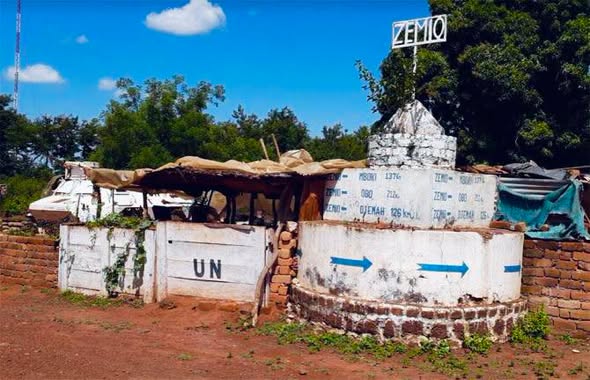
OCHA-RCA has resumed its humanitarian activities in Zémio, a sub-prefecture located in the Haut-Mbomou region of Centrafrique. The organization had previously suspended its operations in Zémio following security incidents on May 20, 2026. According to Maxime Nama-Cirhibuka, Chief of OCHA-RCA's Humanitarian Affairs Office, the decision to restart activities was made after a two-day mission to assess the security situation and humanitarian needs in the area. This assessment was key to ensuring a safe and effective return for humanitarian personnel. The resumption aims to address the significant and increasing requirements of the population in Zémio, where access to essential services has been limited. The return of OCHA-RCA personnel, which officially commenced by 16 juillet 2026, is expected to facilitate the delivery of aid and coordination among humanitarian partners working on the ground. This renewed presence is vital for enhancing the humanitarian response capacity in a region that has faced considerable challenges in recent months, ensuring that critical assistance reaches those most in need.
Growing Needs in Am-Dafock
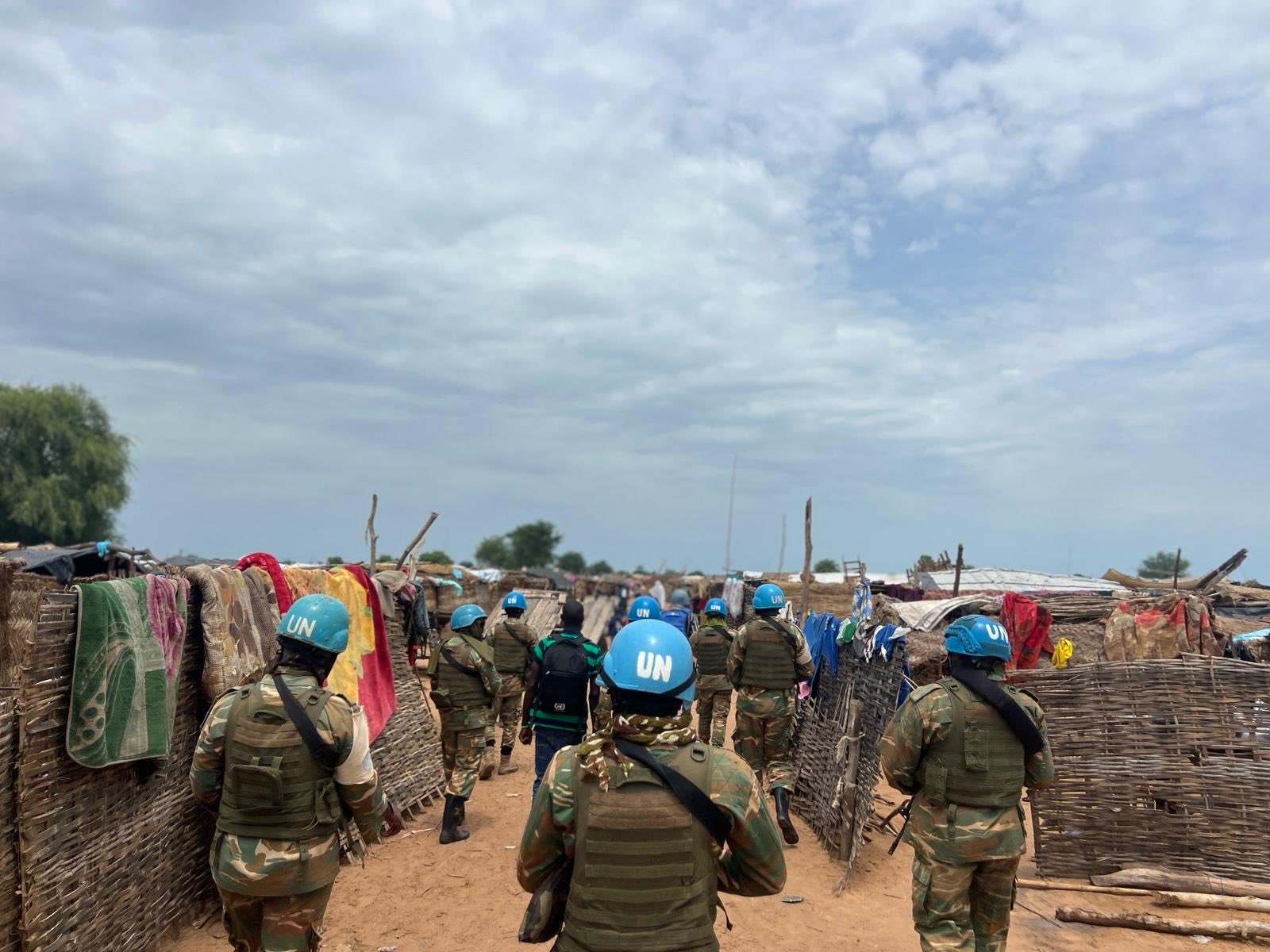
Humanitarian needs are escalating in Am-Dafock, situated in the Vakaga prefecture. The situation there is marked by a significant increase in the number of people requiring assistance. Access to essential services, including healthcare, food, and shelter, remains a critical challenge for residents. The rise in demand for aid in Am-Dafock shows the fragile humanitarian landscape in Centrafrique, particularly in remote and conflict-affected areas. This growing demand for aid coincides with OCHA-RCA's broader efforts to address humanitarian concerns across Centrafrique, particularly in regions like Vakaga, where vulnerabilities are pronounced. Humanitarian organizations are actively assessing the most effective ways to deliver aid and support to the affected populations in Am-Dafock, amid ongoing logistical and security considerations that influence humanitarian operations in the area. The complex environment necessitates careful planning and coordination to ensure that aid reaches its intended beneficiaries safely and efficiently, addressing the urgent requirements of the population.
OCHA's Role and Communication
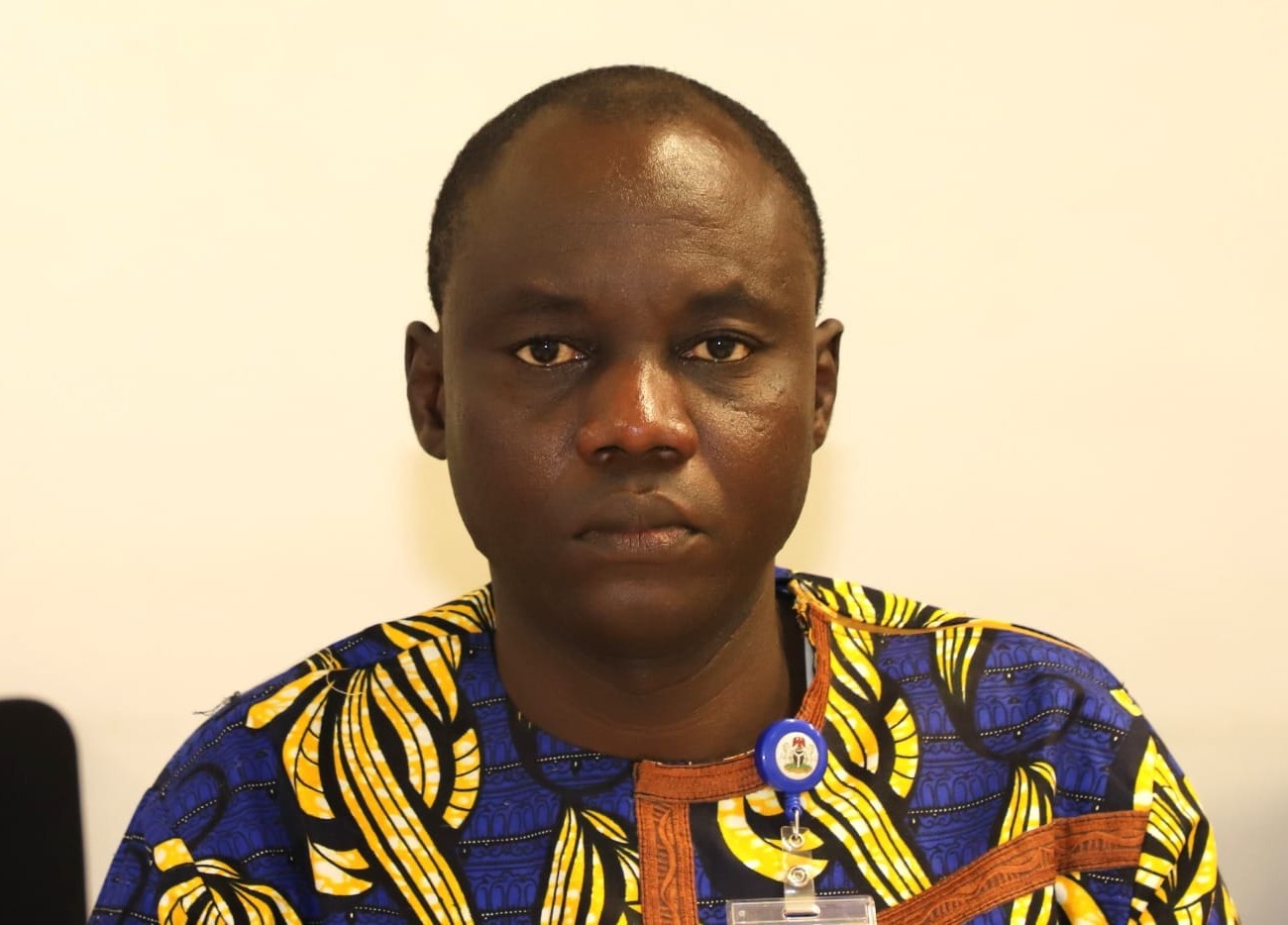
Maxime Nama-Cirhibuka, head of the communication section at OCHA-RCA, addressed the various challenges and ongoing operations in Zémio and Am-Dafock. His statements provided insight into the organization's approach to humanitarian assistance in Centrafrique, particularly concerning the resumption of activities in Zémio and the escalating needs in Am-Dafock. Mr. Nama-Cirhibuka emphasized OCHA-RCA's commitment to coordinating efforts among humanitarian partners to ensure effective aid delivery to affected populations. The communication section plays a key role in disseminating information about the humanitarian situation and the response efforts, ensuring transparency and accountability. Through Mr. Nama-Cirhibuka's commentary, OCHA-RCA aims to keep stakeholders informed about the complex environment in which humanitarian organizations operate. His remarks show the importance of clear and consistent communication in addressing the pressing humanitarian issues across the region, including the logistical and security considerations that impact aid operations and the overall effectiveness of humanitarian interventions. This dedicated communication ensures that the challenges and successes of aid delivery are understood by all involved parties.