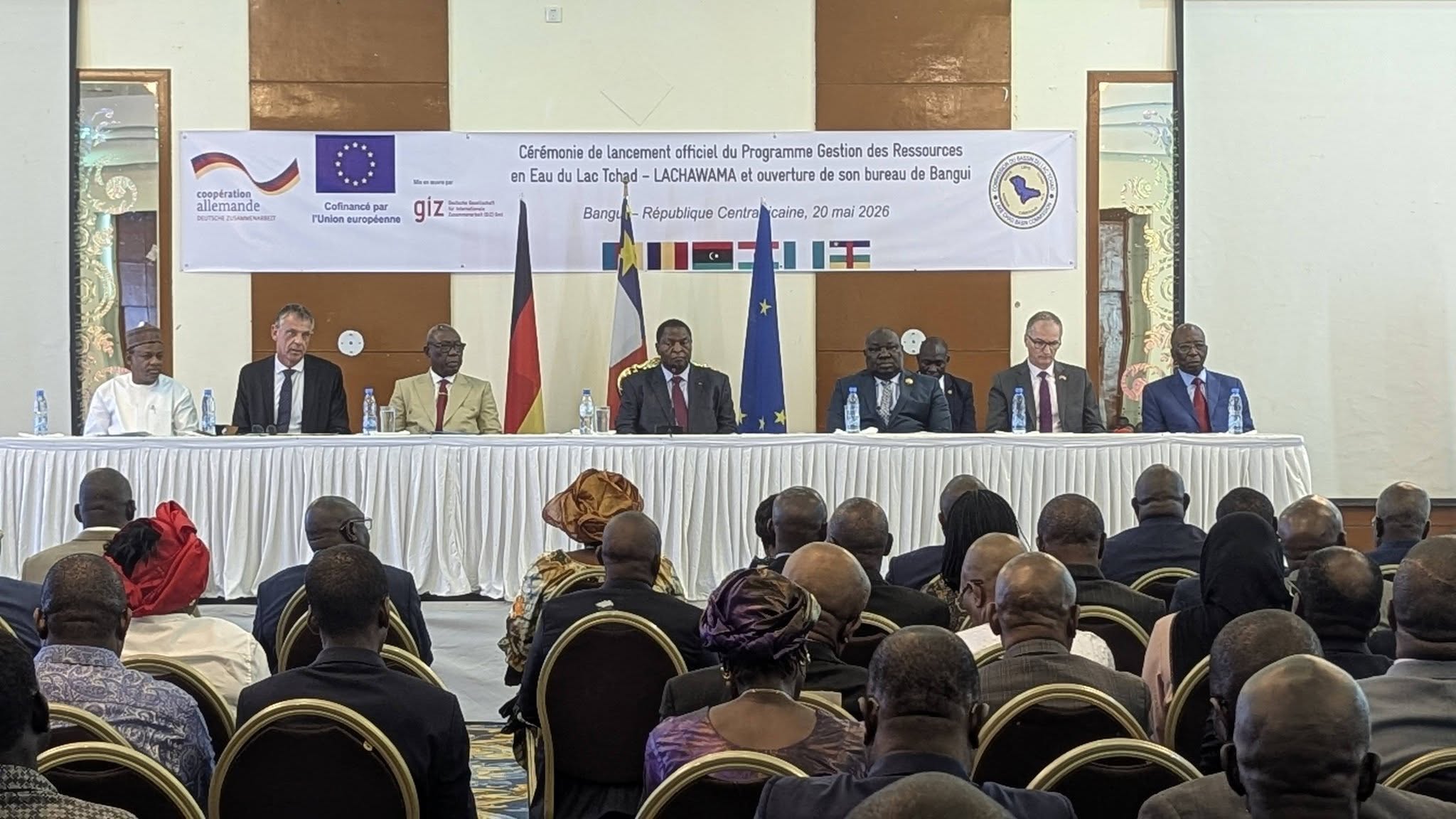
The second phase of the Lake Chad Basin water resources management project has been officially launched, marking a significant step forward in regional development and environmental resilience. This critical initiative, aimed at enhancing food production within this vital Central African community space, seeks to implement advanced and sustainable water management practices across the entire basin. The project's renewed focus is expected to yield substantial benefits for the millions of people who depend on the Lake Chad Basin for their livelihoods and sustenance.
Key Participants and Objectives
The initiative is strategically designed to mitigate the increasingly severe effects of climate change within the Lake Chad Basin, a region particularly vulnerable to environmental shifts. The formal launch ceremony for this second phase showed the high-level regional commitment to the project, with the Central African Head of State attending the event. This presence signifies the critical importance placed on the project by regional leadership. Edda Lotine Djiko also took part in the ceremony, marking her direct involvement in the renewed efforts to improve water resource management in the area. Her participation notes the collaborative and multi-stakeholder approach adopted for this phase.
The project's overarching goal is to significantly enhance food production across the basin by implementing sustainable water practices. This includes the introduction of innovative techniques for water conservation, efficient irrigation, and the judicious use of available water resources. By directly addressing environmental challenges such as drought, desertification, and unpredictable rainfall patterns, the project aims to create a more stable and productive agricultural environment. This full collaboration shows a concerted effort to foster resilience against climatic shifts, ensuring long-term food security and economic stability for the communities residing in the basin.
Project Scope and Impact
The launch ceremony for the second phase of the Lake Chad Basin water resources management project took place in Bangui, the capital, on May 20, 2026. This location was chosen to emphasize the regional scope and importance of the initiative. The project specifically aims to enhance food production within the Central African community space, recognizing the critical link between water availability and agricultural output. It focuses on improving water management practices across the basin, which is essential for mitigating the effects of climate change that have severely impacted the region's natural resources and agricultural potential.
The Central African Head of State's attendance at the launch showed the significant regional commitment to the project's success. This high-level endorsement is key for galvanizing support and resources. Edda Lotine Djiko also participated in the ceremony, further noting the broad engagement and expertise brought to bear on this vital undertaking. Her involvement is integral to the renewed efforts to improve water resource management in the area, ensuring that practical and effective solutions are implemented. The project's overarching goal remains to enhance food production across the basin by implementing sustainable water practices, directly addressing environmental challenges that threaten the region's stability. This collaboration reflects a concerted effort to build resilience against climatic shifts impacting the region, aiming to secure a more prosperous future for its inhabitants.
Context and Future Outlook
The official launch of the second phase of the Lake Chad Basin water resources management project took place on May 20, 2026, marking a key moment for regional development. The ceremony for this significant undertaking was attended not only by regional leaders but also by the country's technical and financial partners. Their presence noted the profoundly collaborative nature of the initiative, which relies on a combination of expertise, funding, and political will to achieve its ambitious goals. These partners play a key role in providing the necessary resources and technical assistance to ensure the successful implementation of the project's various components.
The project is designed to improve water management practices across the vast Lake Chad Basin, which encompasses several Central African nations. This includes the development of new infrastructure, the rehabilitation of existing water systems, and the promotion of best practices in water usage among local communities. By enhancing food production within the Central African community space, the project seeks to address long-standing issues of food insecurity and poverty. The sustained commitment from all stakeholders, including the Central African Head of State, Edda Lotine Djiko, and the technical and financial partners, is expected to drive the project forward, leading to tangible improvements in the lives of millions and fostering greater environmental sustainability in the region.