The Ligue centrafricaine des droits de l’homme (LCDH) has declared a dispute regarding passport issuance closed, following a ruling by the Constitutional Council. The prominent human rights organization announced its position on Thursday, reacting to recent political, social, and security developments in Centrafrique. The Constitutional Council, described as the highest court in the country, issued the definitive ruling that prompted the LCDH's statement, effectively concluding the matter. This declaration by the LCDH signals a significant moment in the ongoing national discourse surrounding judicial authority and human rights within the country.
Passport Refusal Details
The Ligue centrafricaine des droits de l’homme (LCDH) reacted specifically to the refusal to renew the diplomatic and ordinary passports of Anicet-Georges Dologuélé. This action formed the core of the dispute that the human rights organization has now declared closed. The refusal to renew these key travel documents for a prominent individual had drawn considerable attention and raised questions regarding administrative procedures and individual rights. The Constitutional Council's recent ruling addressed the implications of such refusals, leading directly to the LCDH's statement on Thursday. The organization's stance indicates an acceptance of the judicial body's decision regarding the matter, emphasizing the finality of the court's judgment.
Constitutional Council's Authority
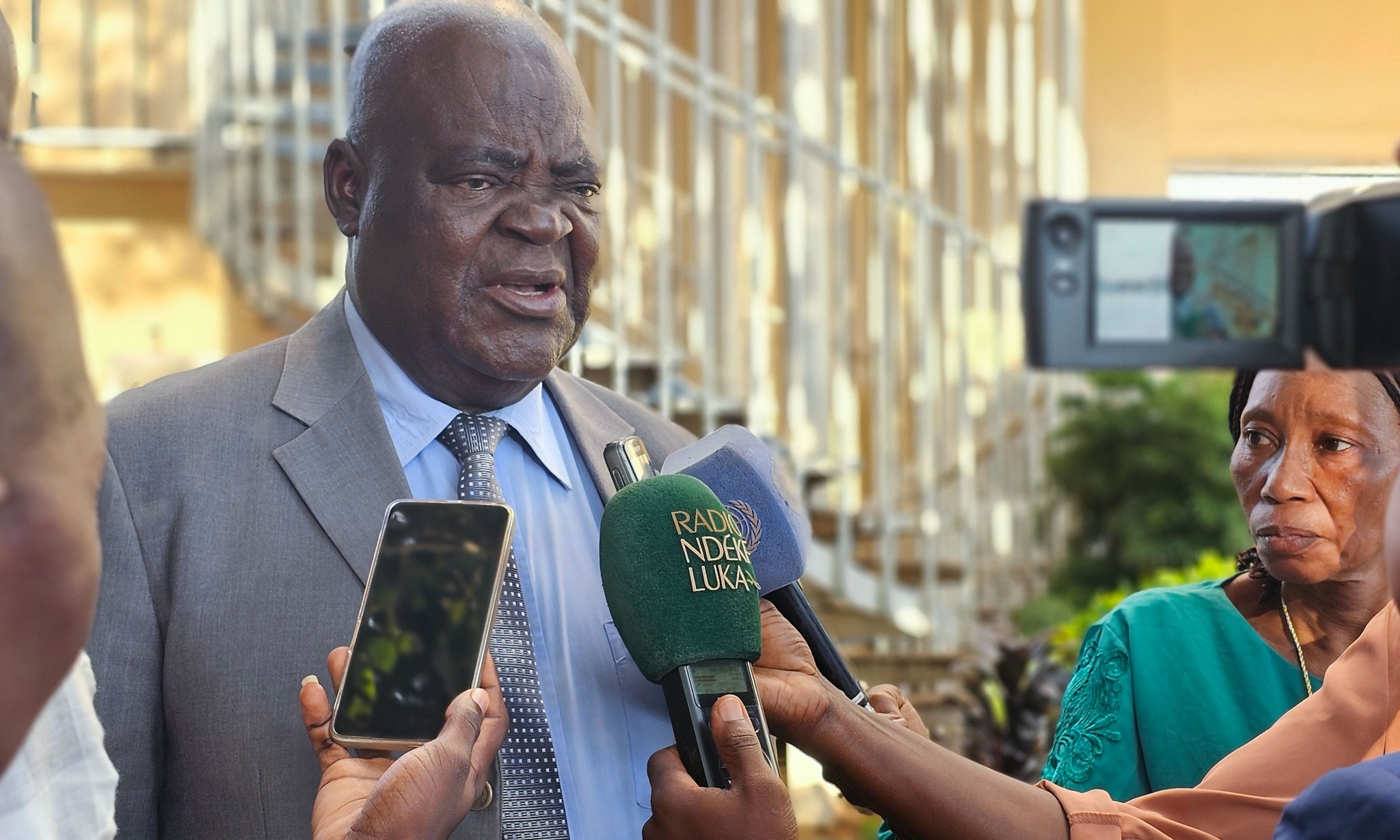
The Constitutional Council's ruling has led to the formal closure of the passport dispute, according to the Ligue centrafricaine des droits de l’homme (LCDH). Joseph Bindoumi, president of the LCDH, stated unequivocally that the matter is now concluded. "This affair is closed since the decision of the Constitutional Council," Mr. Bindoumi affirmed, indicating the organization's acceptance of the judicial body's resolution. He further elaborated on the significance of this decision, noting its binding nature across all sectors. The ruling from the country's highest court effectively settled the dispute concerning the refusal to renew Anicet-Georges Dologuélé's diplomatic and ordinary passports, providing a clear legal resolution to the contentious issue. The LCDH's declaration on Thursday marks the end of its involvement in the specific passport issue, acknowledging the finality of the Constitutional Council's pronouncement on the matter and reinforcing the court's supreme authority.
LCDH Statement Context
Joseph Bindoumi, president of the Ligue centrafricaine des droits de l’homme (LCDH), provided further clarification on the organization's position. Mr. Bindoumi responded to questions posed by Armando Yanguendji, detailing the rationale behind the LCDH's declaration that the passport dispute is now closed. His responses elaborated on the profound impact of the Constitutional Council's ruling, which the human rights organization views as definitive and legally unchallengeable. The dialogue with Mr. Yanguendji helped to contextualize the LCDH's statement issued on Thursday, emphasizing the organization's adherence to the decisions of the highest court in Centrafrique regarding the passport renewal matter. This interaction showed the LCDH's commitment to upholding the rule of law and respecting the judgments of the nation's judicial institutions.
Binding Legal Precedent
Joseph Bindoumi, president of the Ligue centrafricaine des droits de l’homme (LCDH), emphasized the authoritative nature of the Constitutional Council's ruling. Mr. Bindoumi stated that the decisions rendered by the Constitutional Council are binding on everyone without exception. He explicitly recalled this fundamental principle of Centrafrican law, noting that the court's pronouncements hold universal legal force and must be respected by all parties. This principle underpins the LCDH's declaration that the passport dispute, involving the refusal to renew Anicet-Georges Dologuélé's passports, is now concluded. The human rights organization's stance reflects its acceptance of the legal finality established by Centrafrique's highest court. The LCDH's statement on Thursday thus acknowledges the Constitutional Council's definitive role in resolving such matters, setting a precedent for future legal interpretations and reinforcing the supremacy of the country's judicial framework.