International Literacy Day, observed globally on September 8 and 9, provides a backdrop for focusing on educational initiatives. This report details ongoing literacy efforts specifically within Bangui, the capital of Centrafrique. The initiatives aim to enhance reading and writing skills among the population. The global observance serves as a vital reminder of the importance of literacy as a fundamental human right and a cornerstone for personal and societal development. These local efforts in Bangui align with the broader international goals of promoting education and empowering individuals through knowledge.
Global Literacy Focus
International Literacy Day, celebrated annually, centers its 2024 theme on ‘Literacy for peoples, the planet and prosperity’. This global focus shows the broad impact of literacy, linking it directly to human well-being, environmental sustainability, and economic advancement. The theme notes that foundational reading and writing skills are not merely academic achievements but are key tools for individuals to engage effectively with societal challenges and opportunities. Promoting literacy is therefore framed as essential for fostering informed citizenship and enabling communities to contribute to a more stable and prosperous future. This international observance provides a platform for various organizations and governments to renew their commitment to literacy programs worldwide, emphasizing their role in global development agendas. The choice of this year's theme reflects a full understanding of literacy's multifaceted benefits, extending beyond individual cognitive abilities to collective societal progress. It encourages a holistic view of education, recognizing its power to address complex global issues from poverty reduction to environmental conservation. Discussions around the theme often highlight innovative approaches to literacy education, including digital literacy and lifelong learning opportunities for all ages.
Bangui's Educational Drive
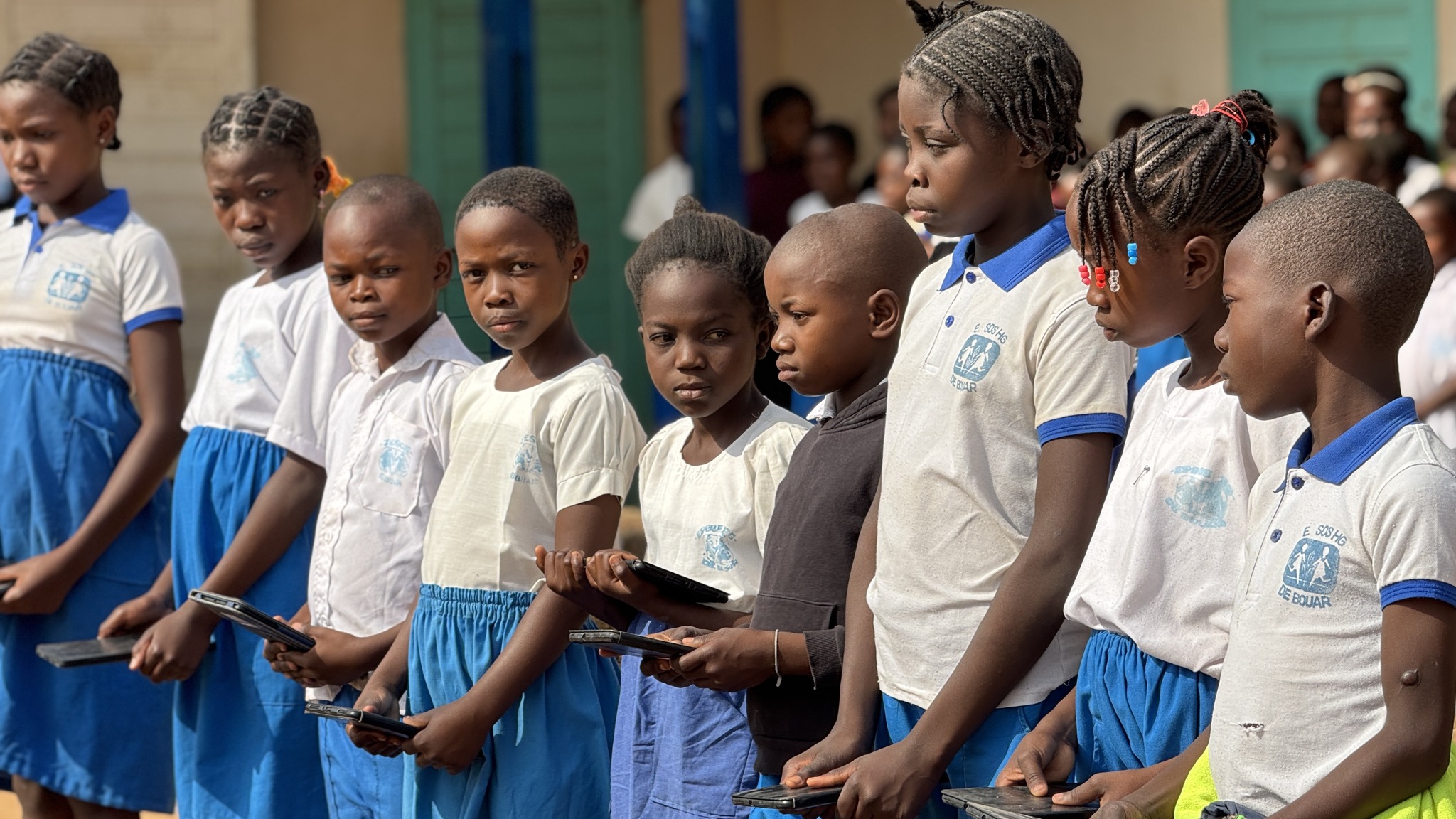
In Bangui, a significant number of individuals who were either unable to attend school or compelled to halt their education are actively pursuing literacy. These efforts focus on acquiring reading and writing skills or reinforcing existing knowledge. The drive reflects a community-wide push to overcome educational disruptions and enhance foundational learning among the population. Many people in Bangui who were deprived of schooling or forced to interrupt their studies are now seeking to learn to read and write, or to strengthen their existing knowledge. This strong desire for education shows the resilience and determination of the local community to improve their lives and prospects. Educational programs in the city are designed to be accessible, often catering to adults and out-of-school youth, providing them with a second chance at formal learning. These initiatives frequently involve community centers, local educators, and sometimes international partners, all working collaboratively to address the educational gaps. The commitment shown by these learners is a testament to the recognized value of literacy in navigating daily life and accessing opportunities in a rapidly changing world.
Broader Impact and Goals
The overarching goals of literacy initiatives in Bangui extend beyond individual skill acquisition to encompass broader societal development. These programs aim to empower residents to participate more fully in civic life and economic opportunities. By fostering improved reading and writing abilities, the efforts seek to enhance communication, critical thinking, and access to information within the community. This aligns with the international focus on literacy as a foundational element for human well-being, environmental sustainability, and economic advancement. Education is viewed as a critical tool for residents of Bangui to address local challenges and contribute to a more informed and prosperous future for Centrafrique. The initiatives also support the development of a more engaged populace capable of navigating and contributing to the nation's progress. Enhanced literacy can lead to better health outcomes, increased civic participation, and improved economic stability for families and the wider community. These programs are instrumental in building a more educated workforce, which in turn can attract investment and foster sustainable development across various sectors in Centrafrique. Ultimately, these efforts are laying the groundwork for a future where every individual in Bangui has the opportunity to unlock their full potential and contribute meaningfully to their society.