Over 50 deaths have been reported in Ndjiffa following a resurgence of measles in the area. Authorities in Ndjiffa are overwhelmed by the situation, according to reports. They are calling on the government and its partners to intervene quickly to curb the spread of the epidemic in the region. The gravity of the situation has prompted an urgent appeal for full assistance to manage the escalating health crisis and prevent further loss of life within the community. The outbreak shows the fragile state of healthcare infrastructure in the region, which is struggling to cope with the sudden surge in cases.
Authorities Sound Alarm
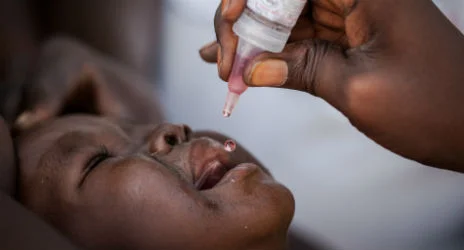
Approximately fifty people have died in recent months from measles in Ndjiffa, prompting urgent calls for intervention. The outbreak has placed a significant strain on local healthcare infrastructure, with authorities expressing concern over the escalating number of fatalities. Ndjiffa's health officials have showed the immediate need for external support to manage the crisis effectively and prevent further loss of life. The current situation demands a swift and coordinated response to contain the spread of the disease within the community. Efforts are underway to assess the full scope of the outbreak and to mobilize resources for vaccination campaigns and medical treatment. Local health personnel are working tirelessly, but their capacity is severely stretched by the growing number of patients requiring critical care. The call for external intervention notes the dire need for additional medical supplies, personnel, and logistical support to reinforce the local response efforts. Without this immediate assistance, the humanitarian consequences of the epidemic are feared to worsen significantly.
Location and Scope
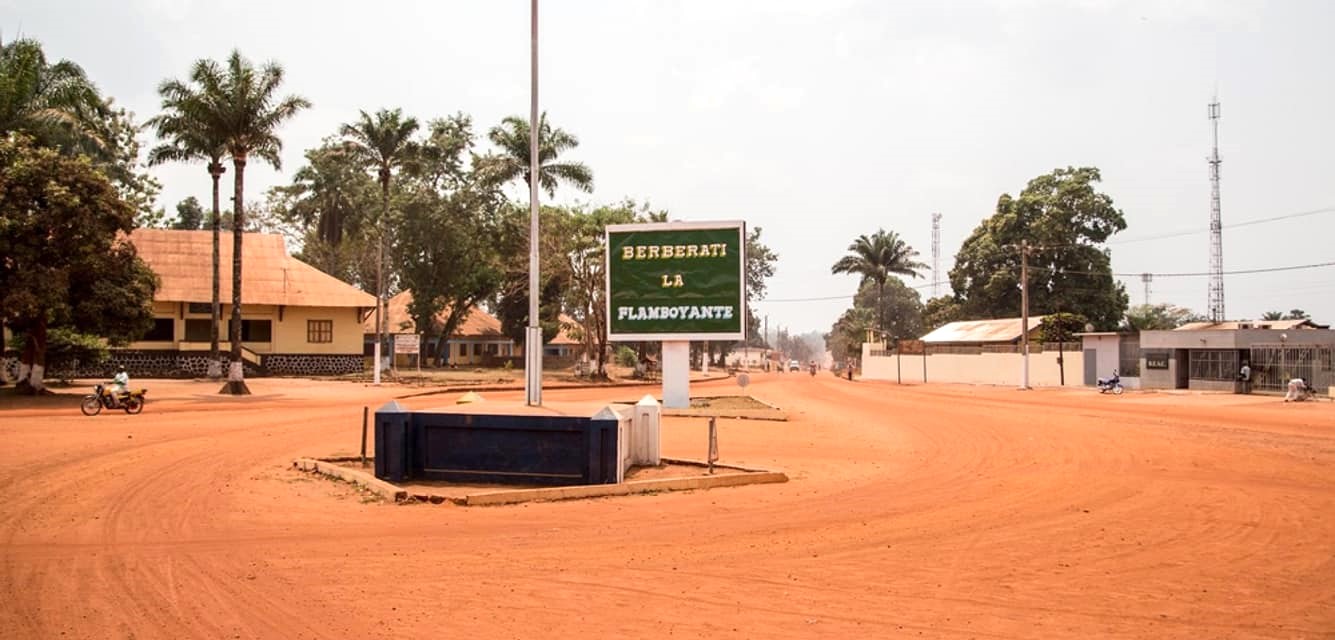
Ndjiffa, the epicenter of the outbreak, is situated in the Vakaga prefecture. The region, already facing significant humanitarian challenges, is now contending with a rapidly spreading disease that has overwhelmed local medical facilities. Health officials have reported that the current infrastructure is insufficient to manage the influx of patients, leading to urgent pleas for external assistance. The scope of the outbreak extends across Ndjiffa, with concerns that without immediate intervention, the disease could spread further within the Vakaga prefecture and surrounding areas. This geographical context notes the logistical complexities involved in delivering aid and implementing widespread vaccination campaigns in the affected communities. The remote nature of Ndjiffa and the wider Vakaga prefecture presents unique challenges for humanitarian organizations attempting to reach and assist the affected population. Ensuring the timely delivery of vaccines and medical supplies to these isolated areas is critical to controlling the epidemic's reach. The existing vulnerabilities in the region, including limited access to clean water and sanitation, exacerbate the risk of disease transmission and complicate containment efforts.
Urgent Call for Aid
Health and administrative authorities in Ndjiffa are alerting the public to a resurgence of measles cases within the locality. This alert comes amidst a growing health crisis in the Vakaga prefecture, where the disease has already claimed numerous lives. Local officials have showed the critical need for external assistance to manage the escalating situation and prevent further spread of the highly contagious virus. The current outbreak is placing immense pressure on already limited healthcare resources in Ndjiffa, prompting urgent calls to national and international partners for rapid intervention. Authorities are emphasizing that a swift and coordinated response is vital to contain the epidemic and provide necessary medical care to affected residents. The appeal extends beyond immediate medical aid, also encompassing support for long-term strategies to strengthen local health systems and build resilience against future outbreaks. The community's health and well-being depend on a strong and timely response from all stakeholders involved.