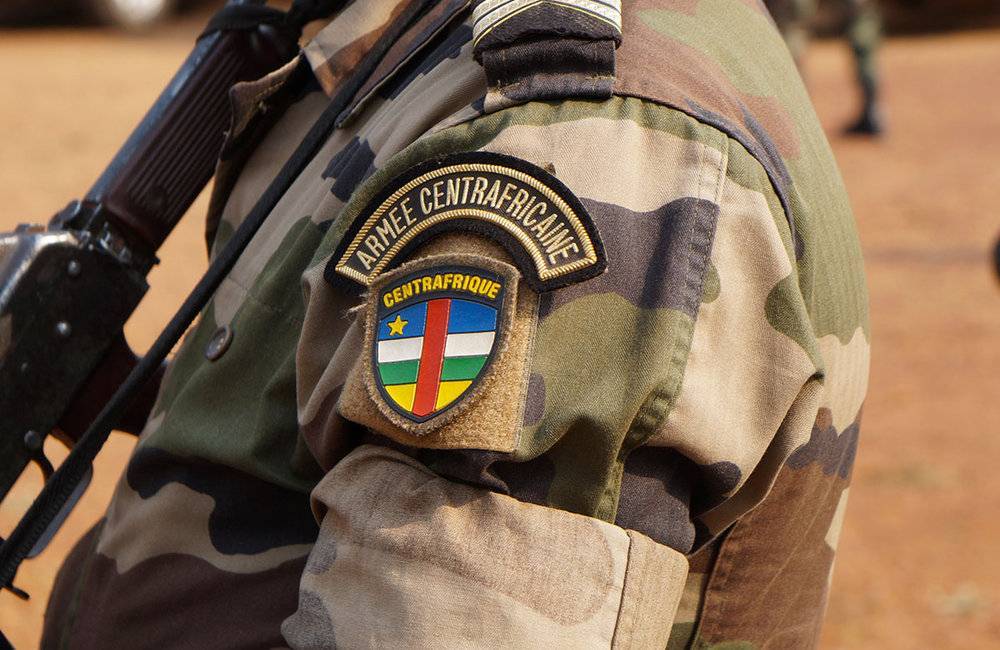
The Ministry of Justice in the Central African Republic formally delivered a guide of good conduct on human rights and international humanitarian law to the country's military authorities on April 29, 2026. This significant handover provides the Central African Armed Forces (FACA) with a full framework for upholding international standards in their operations. This initiative aims to reinforce adherence to fundamental rights and humanitarian principles among military personnel, fostering a more disciplined and rights-respecting force. The guide's implementation is expected to contribute to improved conduct and accountability within the national defense forces, aligning their practices with global norms. The formal presentation of this critical document shows a commitment from the Ministry of Justice to ensure that military actions are consistently guided by ethical and legal considerations.
Guide's Purpose and Content
The guide on good conduct for human rights and international humanitarian law provides military personnel with practical guidelines for their operations, serving as an essential reference tool. It details the obligations of the Central African Armed Forces (FACA) under international human rights law and international humanitarian law, covering key aspects such as the treatment of detainees, the protection of civilians during conflicts, and the appropriate use of force in various scenarios. The document outlines principles for respecting the dignity and rights of all individuals, including non-combatants and those deprived of their liberty, emphasizing humane treatment at all times. It addresses accountability mechanisms, clearly defining the procedures and consequences of violating these established international norms, thereby promoting a culture of responsibility. The guide is intended to serve as a foundational reference for all military ranks, from recruits to high-ranking officers, aiming to embed a culture of respect for human rights within the armed forces' daily operations and strategic planning. It clarifies the legal framework governing military actions and emphasizes the importance of adherence to these standards in all operational contexts within the Central African Republic, both domestically and, if applicable, in international deployments.
Official Statement on Conduct
Julius Rufin Ngouadé-Baba, a mission officer for human rights at the Ministry of Justice, provided comments regarding the newly delivered guide, noting its strategic importance. He discussed its significance for the military, elaborating on how it will serve as a cornerstone for training and operational conduct. Mr. Ngouadé-Baba further emphasized the guide's role in promoting adherence to international standards, asserting that it represents a clear commitment by the Central African Republic to human rights. The interview with Mr. Ngouadé-Baba, which shed light on the government's expectations for the guide's impact, was conducted by Amid Tidjani, a journalist. During the interview, Mr. Ngouadé-Baba articulated the Ministry's vision for a military that not only protects its citizens but also upholds the highest ethical and legal principles.
Broader Implications for Military
The delivery of the human rights code to the Central African Armed Forces (FACA) by the Ministry of Justice is expected to have significant implications for military conduct and accountability within the Central African Republic. This full framework, outlining obligations under international human rights law and international humanitarian law, shows a national commitment to embedding respect for fundamental rights into military operations at every level. The initiative could foster greater trust between the FACA and civilian populations, an essential element for long-term stability and national cohesion, potentially influencing future international partnerships and support. Adherence to these standards is key for the military's professionalization, enhancing its reputation both domestically and on the global stage. It reinforces its role in maintaining stability while upholding legal and ethical principles governing armed forces globally, ensuring that security operations are conducted with due regard for human dignity and international law. This move positions the Central African Republic's military as a more responsible and accountable institution.