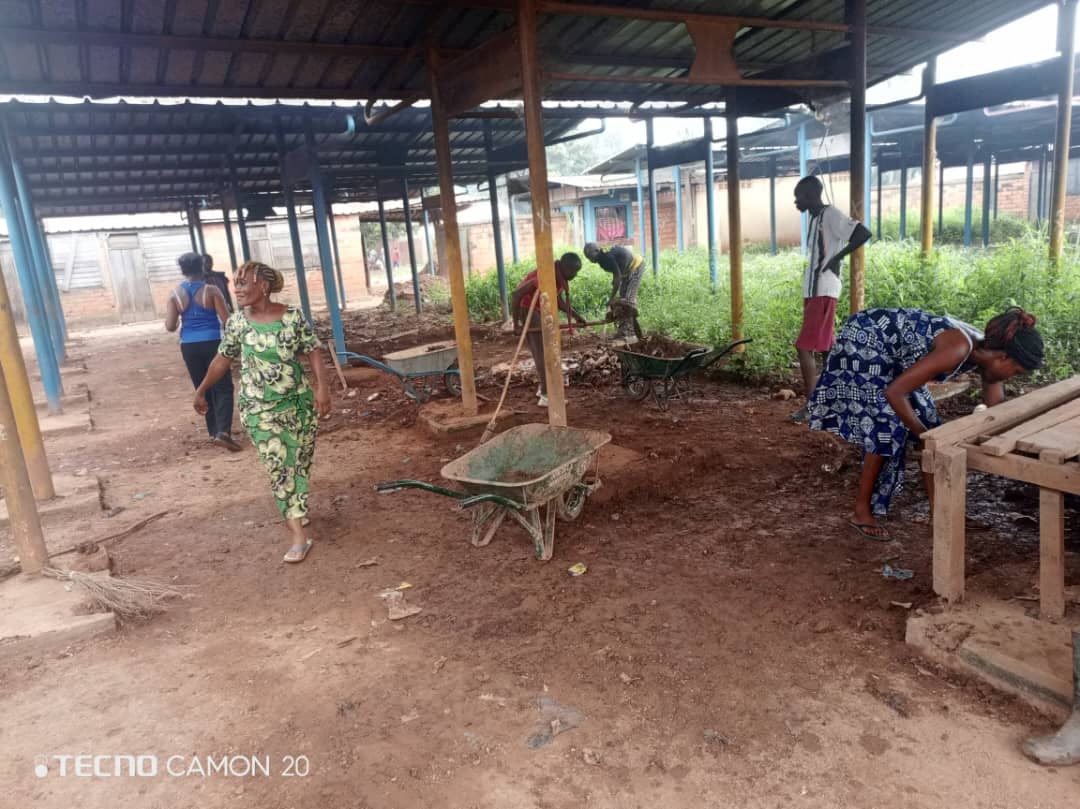
The Miskine market, a central commercial hub, is located in the 5th arrondissement of Bangui. This market is the focus of a new clean-up initiative launched by its merchants. The effort aims to improve hygiene and public health conditions within the bustling marketplace. This community-driven undertaking notes the proactive stance of local traders in enhancing their operational environment. The initiative addresses critical sanitation needs, which are critical in a vibrant commercial area like Miskine market.
Community-Driven Sanitation Efforts
For over three weeks, traders at the Miskine market have been engaged in clean-up operations to enhance the market's hygiene. These sustained efforts have seen vendors actively participating in the removal of waste and general tidying of the premises. The initiative involves merchants actively participating in sanitation efforts across the commercial hub. This hands-on approach by the vendors themselves shows a collective commitment to public health. These activities are part of a broader effort to improve public health standards within the 5th arrondissement of Bangui. The merchants' sustained involvement aims to create a cleaner and more organized environment for both vendors and shoppers. The phrase "Depuis plus de trois semaines, des vendeurs nettoient les lieux pour les rendre plus propres" accurately describes the ongoing commitment of these traders. This dedicated cleaning regimen is designed to ensure that the market remains a safe and sanitary place for daily commerce.
Market Location and Context
The Miskine market, known locally as marché de Miskine, is a significant commercial center situated within the 5th arrondissement of Bangui. It is important to note that, as locally described, "Le marché de Miskine est situé dans le 5ème arrondissement de Bangui," emphasizing its specific geographical and administrative context within the capital. This market serves as a vital hub for daily commerce and community interaction in the Central African capital. It draws a large number of vendors and customers, making its operational environment key for public health and local economic activity. The market's location in the 5th arrondissement positions it as a key facility for residents in that area and surrounding districts. Its ongoing clean-up initiative reflects a concentrated effort by local merchants to address sanitation challenges directly affecting this prominent urban marketplace. The sheer volume of daily transactions and foot traffic necessitates rigorous hygiene practices, which the merchants are now actively implementing. This strategic location also means that improvements in the Miskine market can have a ripple effect on the surrounding residential and commercial areas, fostering a healthier urban environment.
Future Outlook and Impact
The ongoing clean-up initiative at the Miskine market is expected to have a lasting impact on hygiene and public health within the 5th arrondissement of Bangui. Merchants involved in the effort aim to establish new standards for sanitation, potentially influencing other commercial centers in the capital. This proactive stance could inspire similar community-led projects across Bangui's various districts. Continued engagement from traders at the marché de Miskine could foster a sustained culture of cleanliness, benefiting both vendors and customers. The long-term goal is to embed these practices into the daily routine of market operations, ensuring ongoing cleanliness. The initiative's success may also serve as a model for community-driven public health improvements in similar urban environments, demonstrating the power of local action. Organizations such as Radio Ndeke Luka, which reports on local developments, could continue to monitor the market's progress, providing valuable public awareness and encouragement. The commitment shown by the merchants notes a strong sense of community responsibility and a desire to uplift their commercial space for the benefit of all who frequent it. This collective effort not only improves physical conditions but also strengthens community bonds and pride in their local market.