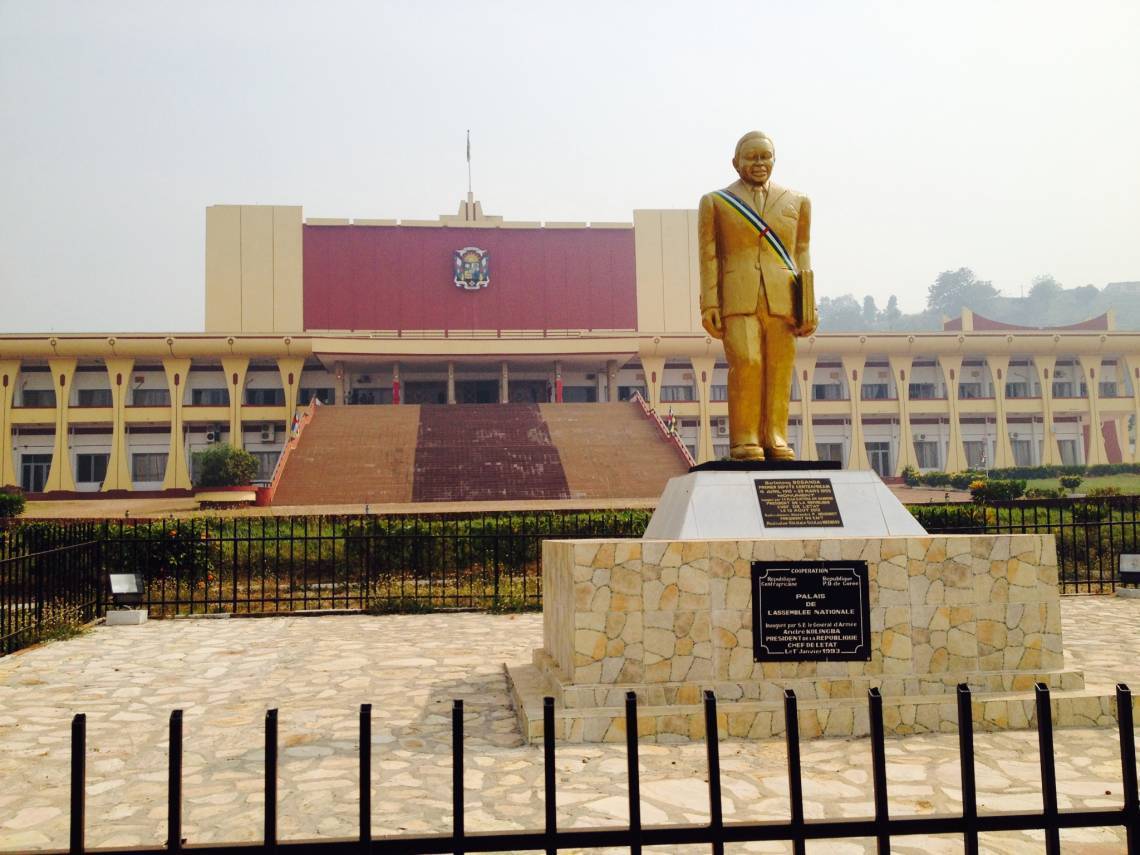
The National Assembly concluded its first extraordinary session on Monday, May 18, in Bangui, Centrafrique. This significant parliamentary gathering, which commenced on May 4, addressed various key legislative matters, setting the stage for the new legislative term. During the proceedings, deputies were pointedly reminded of their fundamental responsibilities and duties to the nation. The session marked a key moment in the country's political calendar, ensuring the establishment of foundational parliamentary structures following recent elections.
Legislative Session Details
The two-week extraordinary session proved instrumental in facilitating several critical processes. Its primary objectives included the official installation of the 8th legislature, a key step in establishing the new parliamentary body. The session oversaw the establishment of the bureau and the various parliamentary commissions, essential components for the effective functioning of the National Assembly. These commissions are tasked with scrutinizing legislation and overseeing government actions.
This particular session involved 90 deputies, each of whom was elected during the first round of the grouped elections held on December 28. Their participation in this inaugural extraordinary session shows their fresh mandate and the beginning of their legislative work. The swift convening of the session after their election notes the urgency and importance placed on establishing the new parliamentary structures and commencing legislative activities without delay. The installation of the 8th legislature is a constitutional requirement, ensuring continuity in the country's governance.
Reminders on Deputy Responsibilities
Jean-Symphorien Mapenzi, the first vice-president of the National Assembly, addressed his colleagues during the session, delivering a powerful reminder of their primary mission and the gravity of their roles. He urged them to consider the nation's 2023 constitution, which was adopted on August 30 of that year, as the guiding framework for their actions. Mapenzi called upon the deputies to align their legislative work, public conduct, and overall actions with the new political direction outlined in this recently ratified constitutional framework. His intervention showed the imperative for all elected officials to uphold the principles enshrined in the constitution.
Addressing the assembled members, Jean-Symphorien Mapenzi stated unequivocally, "J’invite pour l’honneur tous les élus de la nation présents en ce lieu, ainsi que les 54 autres attendus, à prendre la mesure de la nouvelle orientation politique et à s’engager corps et âme à travers les propos qu’ils tiendront, les comportements qu’ils afficheront, ainsi que les actes qu’ils poseront, à n’être inspirés et guidés que par le souci d’un meilleur avenir de la nation centrafricaine." His remarks emphasized a profound commitment to the nation's future, urging deputies to let this commitment guide their legislative work and public conduct. This call to action noted the significant expectations placed upon the newly elected representatives.
Key Appointments and Context
Adding another layer of political continuity during this period, Félix Moloua was reappointed as Prime Minister on May 15. This reappointment occurred precisely during the timeframe of the extraordinary session, which began on May 4 and concluded on May 18 in Bangui, Centrafrique. The session was primarily focused on legislative matters, including the critical installation of the 8th legislature and the establishment of its bureau and parliamentary commissions. The National Assembly, comprising 90 deputies elected on December 28, had been reminded of their duties by Jean-Symphorien Mapenzi, the first vice-president, based on the 2023 constitution adopted on August 30. His remarks emphasized aligning their actions with the nation's 2023 constitution and a commitment to the country's future. Moloua's continued leadership as Prime Minister provides a key element of stability and continuity in the executive branch as the newly installed legislature begins its vital work. This simultaneous development ensures that both the legislative and executive arms of government are clearly defined and prepared for their respective roles.