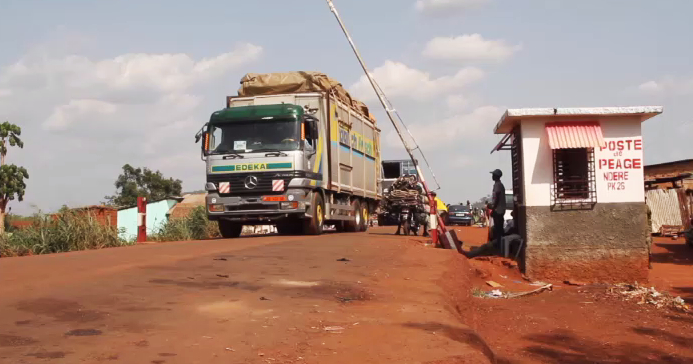
Authorities in the Central African Republic continue their efforts to combat illegal roadblocks on key transportation routes, particularly along the Gamboula-Amada-Gaza axis. This ongoing campaign addresses challenges faced by travelers and traders in the République centrafricaine. The persistent presence of these unauthorized checkpoints disrupts economic activity and impedes the free movement of people and goods within the country. The fight against illegal roadblocks on road axes continues in the Central African Republic, showing the sustained nature of this critical security and economic challenge. The focus remains on restoring security and order on these vital road networks, which connect various regions and facilitate commerce. This concerted effort is key for fostering stability and enabling the free flow of goods and people across the nation.
Mission Operations
The mission tasked with dismantling and monitoring illegal roadblocks continued its on-the-ground actions this week, visiting the Gamboula-Amada-Gaza axis in the western part of the country. This week, the mission responsible for dismantling and monitoring operations visited the Gamboula-Amada-Gaza axis in the west of the country to continue its actions on the ground. This operation represents the latest phase in ongoing efforts to secure this critical transportation corridor. The mission's presence along the axis shows the persistent challenges posed by unauthorized checkpoints, which have long affected the flow of goods and people in the region. By maintaining a visible presence and conducting direct interventions, authorities aim to deter the re-establishment of these illegal barriers. The continuous monitoring aspect of the mission is designed to ensure that dismantled roadblocks do not reappear, thereby working towards a sustained improvement in road security for traders and commuters. These proactive measures are essential for rebuilding trust in the transportation network and encouraging economic activity.
Broader Context of Roadblocks
The prevalence of illegal roadblocks across the République centrafricaine significantly impedes internal trade and the movement of citizens. These unauthorized checkpoints, often operated by armed groups or opportunistic individuals, impose arbitrary taxes and fees on transporters and travelers. The disruption extends beyond financial burdens, contributing to increased travel times and heightened security risks for those navigating routes such as the Gamboula-Amada-Gaza axis. Such obstacles hinder the delivery of essential goods to markets in cities like Bangui and restrict access to vital services for communities in remote areas. The broader impact includes a stifling effect on the national economy, as businesses face unpredictable costs and delays, discouraging investment and trade. These illegal barriers create an environment of uncertainty that deters both local and regional commerce, impacting livelihoods and development. Efforts to dismantle these roadblocks are part of a wider strategy to restore state authority and ensure the free circulation of people and commerce throughout the country. This ongoing challenge requires sustained intervention to protect economic arteries and safeguard the population, fostering an environment conducive to growth and stability.
Future Outlook and Dates
The ongoing efforts to secure the Gamboula-Amada-Gaza axis are part of a broader strategy to restore stability and facilitate economic activity in the République centrafricaine. Authorities continue to monitor the situation closely, with a significant date for future assessment set for 11 octobre 2026. This long-term commitment shows the sustained nature of the challenge and the need for continuous intervention to prevent the resurgence of illegal roadblocks. The measures being implemented aim to ensure that the vital transportation corridor remains free from unauthorized checkpoints, supporting both local communities and national commerce. The continued vigilance and strategic planning are key for maintaining the integrity of these routes and ensuring long-term benefits for the country's economic and social development.