Farmers in the Ouaka prefecture, a region known for its fertile lands and strong agricultural potential, have voiced concerns regarding seed distribution delays. In the Ouaka prefecture, recognized for its fertile lands and strong agricultural potential, farmers are sounding the alarm. The prefecture, located in the Central African Republic, is experiencing these issues as the planting season progresses. The report on the situation comes from our correspondent in Bambari, Sylvain Bernardin Redjal. Farmers are now facing uncertainty as key decisions about their crops must be made without the necessary resources, which threatens their livelihoods and the region's food security.
Farmers Voice Grievances
Farmers in the Ouaka prefecture have denounced recurrent delays in the distribution of seeds by the government and its partners. They explicitly claim these delays are impacting agricultural planning during the critical planting season in the Central African Republic. Farmers across the region have consistently noted the challenges posed by the late arrival of essential farming inputs. The current situation mirrors previous seasons where similar issues with seed provision have been reported, creating a pattern of concern among the agricultural community. Without timely access to seeds, farmers face significant difficulties in adhering to optimal planting schedules, which can subsequently affect crop yields and overall food security for countless households. The Ouaka prefecture, while possessing strong agricultural potential, relies heavily on these distributions to support its farming communities and ensure productive harvests. The persistent problems with seed delivery show a broader challenge in agricultural support mechanisms within the region, according to local observations. Communities are now articulating their concerns directly, emphasizing the urgent need for more efficient and predictable distribution processes to ensure successful harvests and prevent further economic hardship. This collective outcry notes the critical role of timely input provision in maintaining agricultural productivity.
Ouaka's Agricultural Context
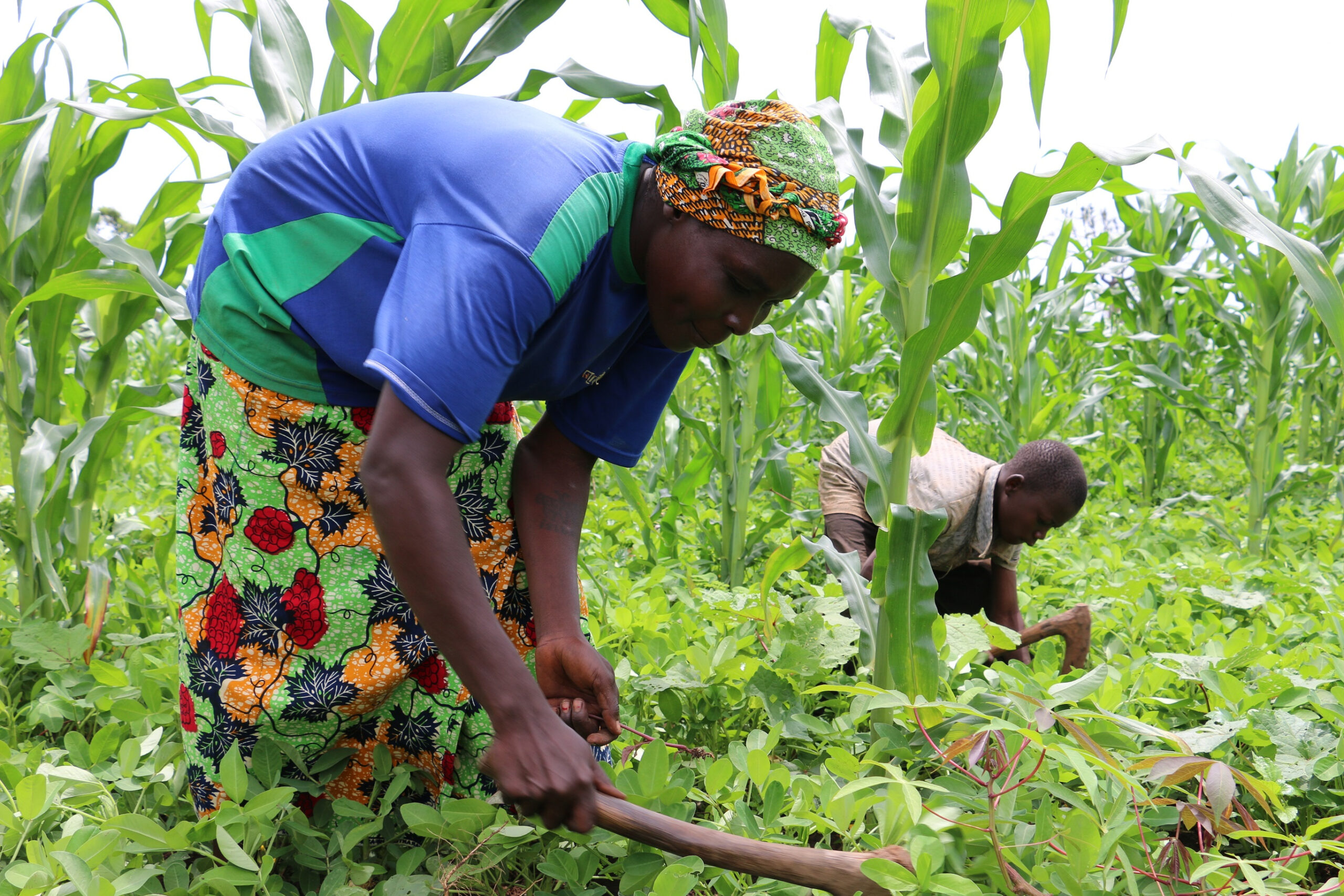
Ouaka prefecture possesses significant agricultural potential, characterized by its fertile lands suitable for various crops. The region's economy heavily relies on farming activities, which serve as a primary source of livelihood and food security for its inhabitants. Local farmers traditionally cultivate a range of staple crops, contributing to both subsistence and local market supply within the Central African Republic. This agricultural richness makes the timely provision of resources even more critical. Effective agricultural support, including timely provision of essential inputs like seeds, is key for maximizing this potential and sustaining the local economy. The planting season is a critical period for farmers in Ouaka, as successful harvests depend intrinsically on adherence to optimal schedules and access to necessary resources. Regional observations indicate that Ouaka's agricultural sector is vital for the broader food system in the Central African Republic (RCA), making any disruption a matter of national concern. The stability of food supply throughout the entire country can be impacted by the success or failure of harvests in key agricultural regions like Ouaka.
Impact of Delayed Seeds
The ongoing delays in seed distribution are creating significant challenges for farmers in the Ouaka prefecture. Farmers are unable to adhere to optimal planting schedules, which directly jeopardizes potential crop yields and the volume of produce available for consumption and sale. This situation directly impacts food security for many households in the region, which relies heavily on agriculture for sustenance and livelihood. The uncertainty surrounding seed availability forces farmers to make difficult decisions about their planting strategies, often leading to reduced areas cultivated or the use of lower-quality, less productive seeds. Such circumstances can result in significantly diminished harvests, exacerbating economic hardships for farming communities already operating on thin margins. The Ouaka prefecture, a region with strong agricultural potential, faces the prospect of underperforming harvests if these issues persist throughout the key planting period. This affects not only local consumption but also the supply to broader markets within the Central African Republic, potentially driving up food prices and increasing food insecurity across wider areas. The long-term implications for the region's agricultural productivity and economic stability are substantial.