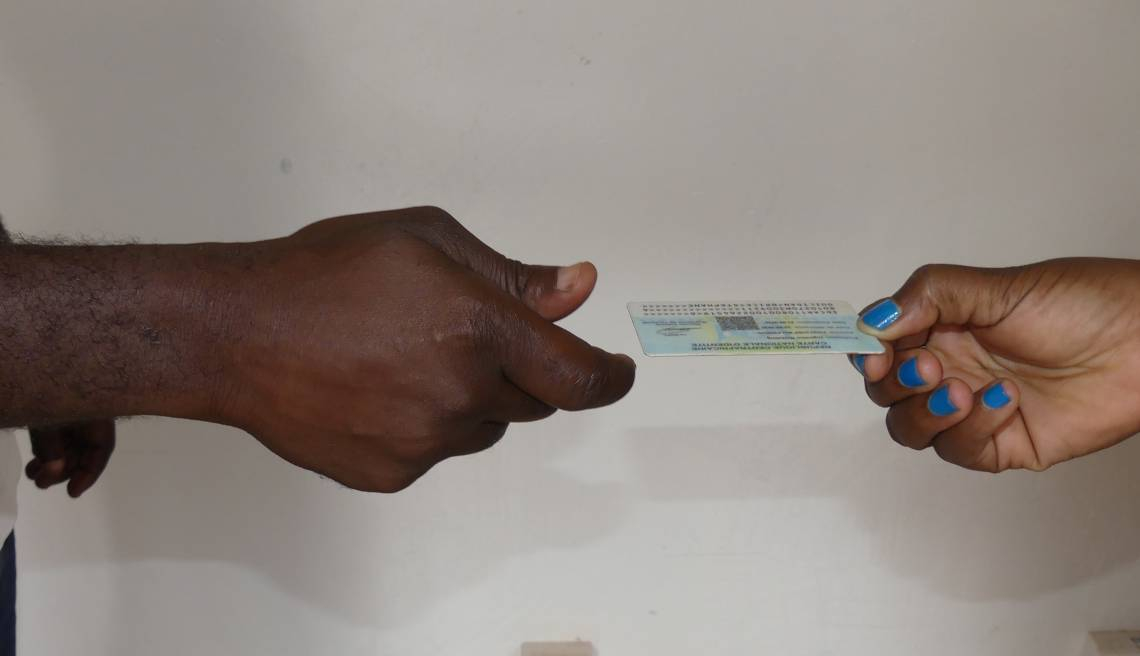
Residents in Ouanda-Djallé, a town situated in the Vakaga region, are awaiting the issuance of their national identity cards following a mission in April. The individuals had applied for the cards during the visit but have yet to receive the official documents. This delay has left many residents without the key identification required for daily life and administrative processes. The national identity card is essential for various administrative and civic procedures in the country, including voting, banking, and accessing public services. The mission aimed to facilitate access to these vital documents for citizens in remote areas, where obtaining official identification can often be a significant challenge due to distance and logistical hurdles. The prolonged wait has created uncertainty and inconvenience for those who participated in the registration effort.
Delayed Document Production
Despite the April deployment, several applicants in Ouanda-Djallé have not yet received their national identity cards. In Ouanda-Djallé, located in the Vakaga region, applicants for the national identity card are still waiting for their cards, months after the initial registration period. The mission, which took place in the Vakaga region, processed applications for these essential documents. Residents had anticipated receiving their cards shortly after the visit, but the production process has encountered significant and unexplained delays. The unfulfilled delivery means many individuals in Ouanda-Djallé remain without official identification, which is necessary for various administrative and civic functions. This lack of identification can hinder their ability to participate fully in economic and social activities. The status of these pending national identity cards has become a point of concern for the residents who participated in the April registration effort, as they feel their needs are not being met. Authorities in Bangui have not yet provided a clear timeline for the issuance or delivery of the outstanding documents, leaving residents in limbo. The ongoing wait impacts citizens' ability to conduct transactions or access services that require proof of identity, leading to frustration within the community.
Company Mission Details
A mission from the company Al-Madina was deployed in April to facilitate the production of administrative documents for residents in Ouanda-Djallé. The company's representatives were tasked with processing applications for various official papers, including national identity cards, in the Vakaga region. This effort aimed to provide local citizens with essential identification, addressing a common challenge in remote areas where access to such services is often limited. The April deployment was a significant step towards enabling residents to acquire the necessary documents for civic and administrative procedures, promising a solution to a long-standing issue. However, the subsequent delay in delivering these cards has left many applicants in Ouanda-Djallé without the official identification they had applied for during the company's visit. This situation contrasts sharply with the initial expectations set by the mission, which was intended to streamline the process for residents. The effectiveness of the mission is now being questioned by those still waiting for their documents.
Ongoing Waiting Period
Residents of Ouanda-Djallé continue to await the national identity cards for which they applied during Al-Madina's mission in April. The delay persists for individuals in the Vakaga region who registered for the essential documents, causing considerable frustration. Many applicants remain without official identification, impacting their ability to conduct various administrative and civic procedures, from voting to opening bank accounts. The production and delivery of these cards have not yet been completed, leading to an ongoing period of uncertainty for those who participated in the registration effort. This extended waiting period undermines the initial positive impact of the mission. Authorities in Bangui have not issued a specific timeline for the distribution of the outstanding documents, further exacerbating the uncertainty. The prolonged wait means citizens in Ouanda-Djallé are still unable to access services or transactions that require proof of identity, hindering their full participation in society and the economy. The community hopes for a swift resolution to this critical issue.