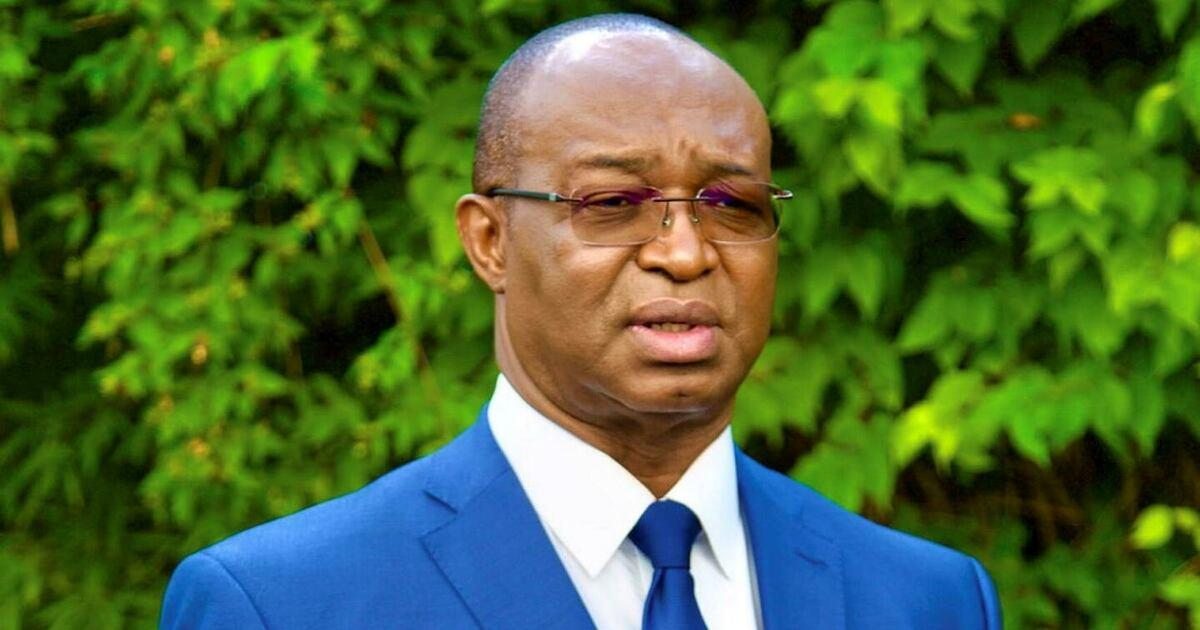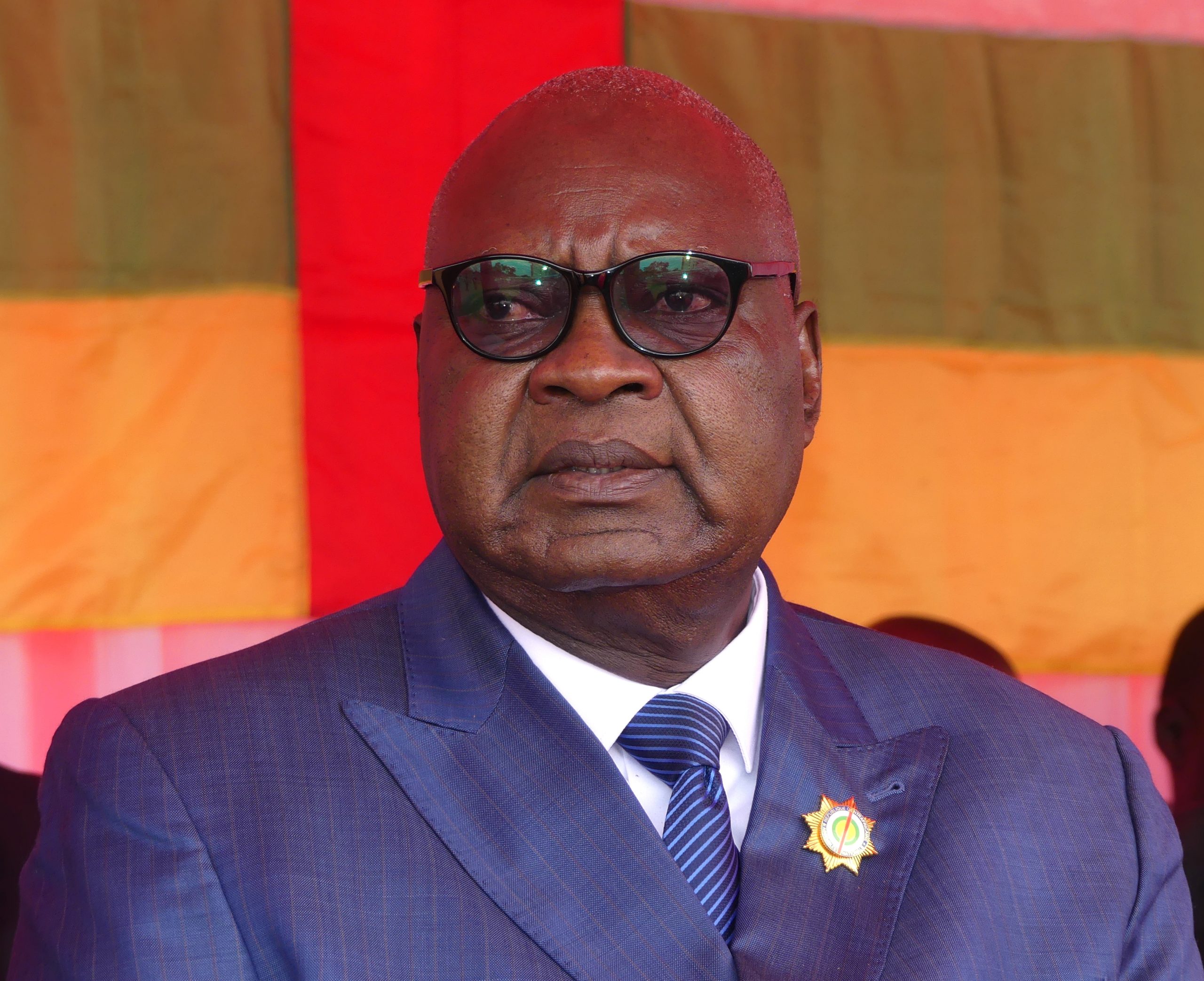
Simplice Mathieu Sarandji was re-elected President of the National Assembly of the Central African Republic on May 7, 2026. The election occurred during the first extraordinary session of the 8th legislature, confirming Mr. Sarandji's continued leadership in the legislative body. This re-election positions him to oversee the assembly's proceedings for the upcoming term, a critical period for the nation's governance. The vote took place in Centrafrique, marking a significant event in the country's political calendar and showing the ongoing processes of democratic consolidation. His return to the presidency of the National Assembly signals continuity in the legislative branch, providing a steady hand as the country navigates its political and developmental path. The affirmation of his leadership reflects the confidence placed in him by his peers to guide the legislative agenda.
Election Details and Support
Simplice Mathieu Sarandji secured his re-election with a substantial majority of votes from the deputies present. He was elected by 87 deputies out of 90 elected deputies who participated in the first round of legislative elections. This decisive outcome demonstrates broad support for his continued leadership within the National Assembly, noting a strong mandate from the elected representatives. The clear victory shows the consensus among a significant portion of the legislative body regarding his suitability for the key role.
Mr. Sarandji ran unopposed in the election for the presidency of the legislative body. His status as the sole candidate streamlined the election process, leading to a swift confirmation of his position without the need for a contested vote. The absence of other contenders noted a widespread agreement among the deputies regarding his qualifications and experience, indicating a unified front in supporting his continued tenure. This uncontested election is often seen as a sign of stability and strong internal party or coalition backing, allowing for a focused approach to legislative priorities from the outset of the new term.
Legislative Session Context
The legislative session in Centrafrique proceeded with a notable portion of the National Assembly still to be fully constituted. While 87 deputies participated in the vote for the presidency, 54 other deputies are awaiting the results of partial legislative elections and the second round. These outstanding results mean that the full composition of the 8th legislature is not yet complete, a factor that influences the initial operational phase of the assembly. The deputies who have already been elected, and those whose elections are still pending, will collectively form the legislative body responsible for lawmaking and oversight in the Central African Republic. The ongoing electoral processes are expected to finalize the assembly's membership, allowing for its full operational capacity in the coming period and enabling it to address the nation's challenges with a complete roster of representatives. This phased constitution of the assembly is a common occurrence in multi-stage electoral systems, requiring careful management during the transition.
Sarandji's Role and Future
Simplice Mathieu Sarandji's re-election as President of the National Assembly places him at the helm of the Central African Republic's legislative body for the upcoming term. His continued leadership is expected to provide stability as the 8th legislature fully constitutes itself, ensuring a smooth transition and operational continuity. The assembly, once complete with all 141 deputies, will face the critical task of addressing the nation's legislative agenda, which includes vital policy-making and oversight functions. Mr. Sarandji's role will involve guiding legislative processes, fostering consensus among deputies from various political affiliations, and ensuring the effective functioning of the parliament as an institution. The full impact of his re-election will become clearer as the remaining electoral results for the 54 deputies are finalized and the legislative work begins in earnest. His mandate involves steering parliamentary debates, facilitating the passage of laws vital for the country's governance and development, and representing the legislative branch both nationally and internationally. His experience will be key in navigating the complexities of lawmaking and ensuring that the assembly effectively serves the interests of the Central African Republic's citizens.