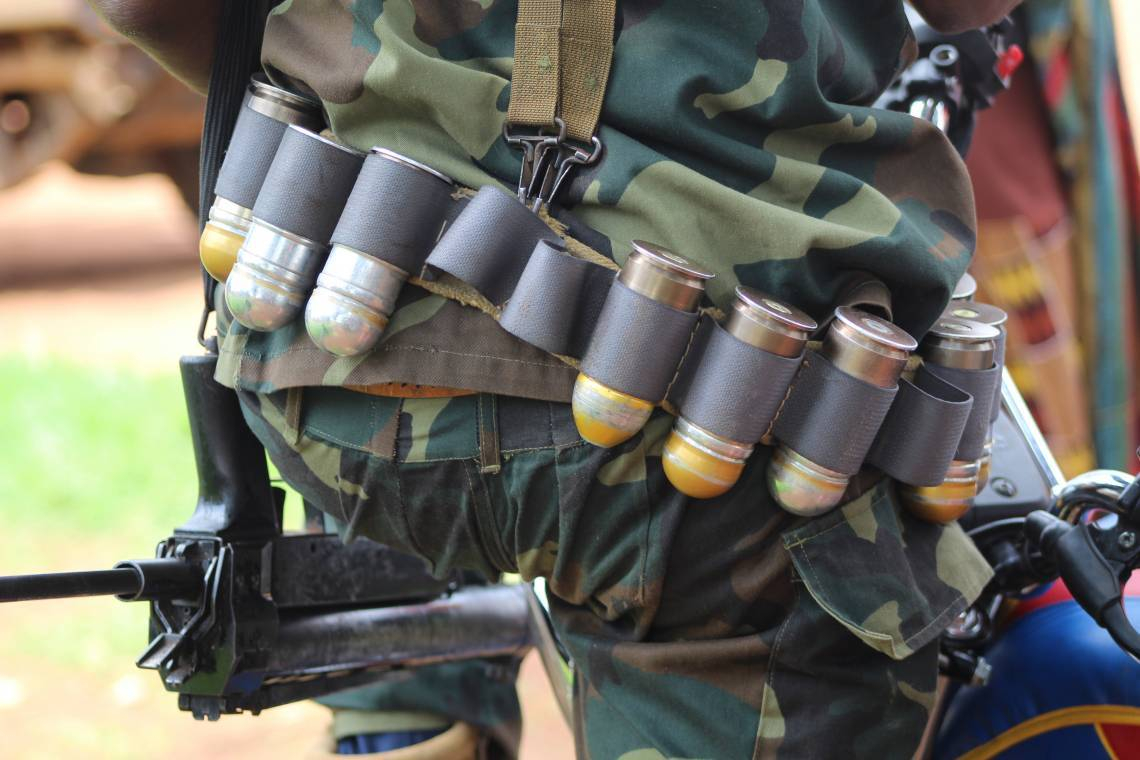
Extreme tension and psychosis have gripped Zemio in the Haut-Mbomou region of the Central African Republic following an altercation involving elements of the Central African Armed Forces (FACA) and their Russian allies. The incident has led to a climate of fear and instability in the area, deeply impacting the daily lives of its residents. This prevailing atmosphere of unease shows the fragile security situation in the region, drawing significant local concern. The extreme tension, followed by a palpable sense of psychosis, now defines the prevailing mood in Zemio.
Details of the Altercation
A violent altercation took place in Zemio on the evening of Wednesday, June 24. This specific incident contributed significantly to a climate of fear and instability in the Haut-Mbomou region, a zone already susceptible to security challenges. Residents reported heightened tensions immediately following the event, which involved elements of the Central African Armed Forces (FACA) and their Russian allies. The specific nature of the confrontation and its immediate trigger remain subjects of intense local concern and speculation, with many seeking clarity on the sequence of events that led to such a volatile situation. This clash marks a significant point of unrest in Centrafrique, directly impacting daily life for the town's inhabitants and disrupting the fragile peace. Further details on the immediate aftermath and any casualties were not immediately available, contributing to the uncertainty. The continuous presence of both FACA and Russian forces in Zemio has long been a critical factor in the region's security dynamics, and this incident has only amplified existing anxieties. The altercation has raised pressing questions about operational coordination between these forces and the overall local security framework in the area.
Impact on the Population
The incident plunged the population of Zemio into anguish, a state that continues to prevail. Residents reported a palpable shift in the town's atmosphere following the confrontation, characterized by heightened fear and uncertainty regarding their safety and future. The disruption significantly impacted daily routines and led to widespread anxiety among inhabitants, who now navigate their lives with an underlying current of apprehension. Local sources indicated that the security situation deteriorated markedly, affecting freedom of movement and commercial activities within the community, bringing many aspects of daily life to a standstill. The widespread sense of unease reflected profound concerns over potential further instability and the long-term implications for safety and livelihood in Zemio. Many people expressed a fervent desire for a return to calm and stability in the Haut-Mbomou region, hoping for measures that could restore peace and order to their community. The anguish experienced by the population is a direct consequence of the violence and the subsequent uncertainty.
Expert Analysis and Context
Astrid de Bonheur Kolengué provided key details regarding the events that unfolded in Zemio, offering valuable insights into a complex situation. Her account shed light on the circumstances surrounding the clash involving elements of the Central African Armed Forces (FACA) and their Russian allies, helping to piece together the narrative of the incident. Kolengué’s insights contributed significantly to understanding not only the immediate aftermath but also the broader implications of the confrontation for the local population and the region's stability. Her information helped to clarify the sequence of occurrences in the Haut-Mbomou region, providing a more coherent picture of the events. The details she furnished are key for comprehending the full scope of the situation that has led to heightened tension and instability within the community, affecting every aspect of life. Kolengué's statements offered a vital perspective on the incident's impact, which has been characterized by a palpable sense of apprehension among residents, showing the severity of the situation. Her input is vital to the ongoing assessment of the security dynamics in Zemio following the altercation, assisting in understanding the root causes and potential consequences. Astrid de Bonheur Kolengué's direct provision of details on these events has been instrumental in informing the public and stakeholders about the crisis.