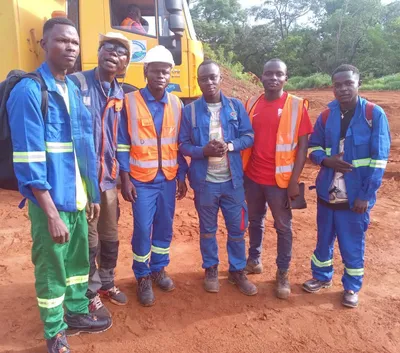
A strong tension persists between the managers of the Dzanga-Sangha Protected Areas and the local community of Babongo village. This ongoing disagreement centers on the conservation site, with concerns growing over the infiltration of the area. The situation has prompted close monitoring by authorities and stakeholders in the region, noting the delicate balance between conservation efforts and community relations in the Central African Republic. The reported friction shows the challenges inherent in managing protected ecosystems that border human settlements.
Conservation Site Infiltration Claims
Tensions between the Dzanga-Sangha Protected Areas management and the Babongo village community are reportedly linked to the infiltration of populations into the conservation site. This alleged influx of individuals into the protected zone is a central point of contention, contributing to the ongoing disagreements in the region. The situation has prompted increased scrutiny from various stakeholders concerned with the integrity of the conservation efforts within Dzanga-Sangha. Local authorities are monitoring the developments closely as the claims of infiltration persist, influencing the relationship between conservation efforts and community dynamics. The reported movement of people into the site remains a key factor in the current state of unease, raising questions about resource management and territorial boundaries within the sensitive ecological zone. The management of the protected areas views these infiltrations as a direct threat to the fragile ecosystems and wildlife populations they are mandated to protect.
Community Arrests Spark Concern
Approximately twenty young people from the Babongo community have been apprehended by the gendarmerie brigade for investigation purposes. The arrests occurred amidst rising tensions between the Dzanga-Sangha Protected Areas management and local inhabitants regarding alleged infiltration into the conservation site. Authorities have not yet released details on the specific charges or the duration of the investigations for those detained. The gendarmerie brigade is conducting inquiries into the circumstances surrounding the reported presence of populations within the protected zone, which has been a point of contention with the Babongo village community. The detentions have reportedly heightened concerns among residents in Babongo and the wider Bayanga area. Local leaders have indicated they are monitoring the situation closely following the arrests, emphasizing the impact on community trust and stability. The ongoing investigations are expected to clarify the nature of the alleged infiltrations and any potential infractions, as well as determine the involvement of the detained individuals. The apprehension of community members has further exacerbated the existing strong tension between the conservation authorities and the local population.
Protected Area Context
The Dzanga-Sangha protected area, located in the Central African Republic, is a critical conservation zone known for its rich biodiversity. This vast ecological site encompasses a mosaic of dense rainforests, rivers, and swamps, providing habitat for numerous endangered species, including forest elephants, western lowland gorillas, and various antelope species. The area is managed as a special reserve and a national park, forming a significant part of the Sangha Trinational World Heritage site, which spans across the Central African Republic, Cameroon, and the Republic of Congo. Conservation efforts within Dzanga-Sangha aim to protect its unique ecosystems and wildlife populations from threats such as poaching, illegal logging, and human encroachment. These efforts are often undertaken in collaboration with international conservation organizations and local communities, though recent tensions have strained these relationships. The region is a focal point for ecological research and sustainable tourism initiatives, with its pristine environment attracting researchers and visitors from around the globe. The long-term success of conservation in such a vital area depends heavily on effective collaboration and understanding between management and local communities.