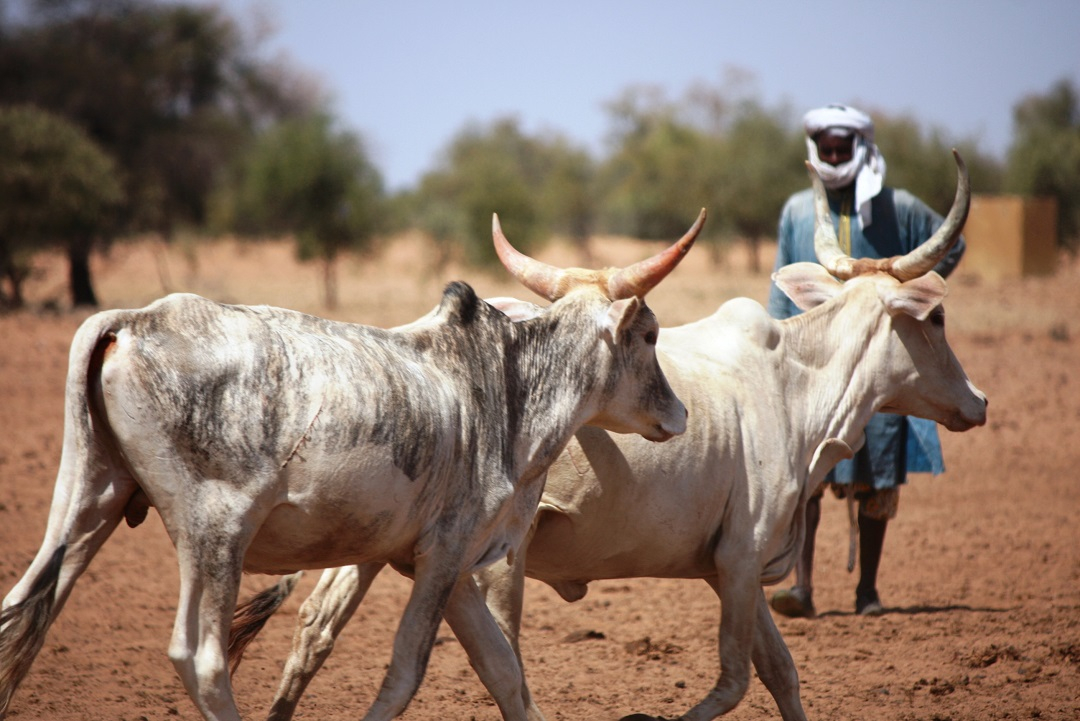
An altercation between herders and farmers took place early in the week in the villages of Bézèrè and Doko, situated approximately twenty kilometers from Bocaranga in Ouham-Pendé. The incident involved groups from both communities, leading to physical conflict and raising concerns about regional stability. The victim of this confrontation was subsequently admitted to the Bocaranga hospital for medical treatment, noting the tangible consequences of these disputes. The circumstances surrounding the dispute remain under investigation as authorities address the escalating tensions, which have become a recurring challenge in the area. This recent clash shows the urgent need for effective conflict resolution mechanisms and sustained efforts to foster peaceful coexistence between agricultural and pastoral communities.
Farmers and Herders Clash
The altercation between herders and farmers occurred early in the week in the villages of Bézèrè and Doko, located about twenty kilometers from Bocaranga, in Ouham-Pendé. The incident saw groups from both communities engaged in a physical confrontation, leading to injuries. The ongoing tensions in the Bézèrè and Doko villages, near Bocaranga in Ouham-Pendé, remain a focal point of local attention, drawing concern from humanitarian and governmental bodies alike. The underlying issues often stem from competition over land and water resources, common in areas where agricultural and pastoral communities coexist, particularly during seasonal migrations. Authorities continue to monitor the situation following the initial altercation, which resulted in at least one person requiring hospitalization. The broader region of Ouham-Pendé, including areas near Ngaoundaye, has historically experienced intermittent conflicts related to transhumance, prompting calls for sustainable management strategies from various stakeholders to prevent further violence and property damage. These clashes frequently disrupt daily life and exacerbate existing vulnerabilities within these rural communities.
Legal Proceedings Underway
One suspect has been arrested and is currently held in police custody at the Ngaoundaye gendarmerie following the recent altercation near Bocaranga. This arrest marks the initial step in the official response to the clashes that occurred in the villages of Bézèrè and Doko, signaling the authorities' determination to hold individuals accountable. The individual is being detained as investigations continue into their involvement in the incident.
The prosecution has stated its intention to pursue legal action against the perpetrators of these clashes, promising a thorough legal process. This commitment shows the authorities' resolve to address the ongoing tensions between herders and farmers in the Ouham-Pendé region through judicial means. Such legal interventions are key in establishing a deterrent and reinforcing the rule of law in areas prone to inter-communal disputes. Further details regarding the specific charges or potential additional arrests were not immediately available, but the initial legal steps indicate a serious approach to managing these complex conflicts.
Persistent Local Tensions
The persistent tensions in the Ouham-Pendé region, particularly around Bocaranga and Ngaoundaye, stem from long-standing disputes over resources between farmers and transhumant herders. These conflicts often escalate during migration seasons when livestock traverse agricultural lands, leading to property damage, destruction of crops, and sometimes violence. The recent incident near Bocaranga, involving communities from Bézèrè and Doko, notes the fragility of coexistence in areas where traditional livelihoods intersect and resource scarcity is a growing concern.
Authorities in the République centrafricaine continue to grapple with managing these recurring tensions, seeking durable solutions that respect the rights and livelihoods of all communities. The involvement of organizations such as Radio Ndeke Luka, Fondation Hirondelle, and the Journalism Trust Initiative shows the importance of reporting on these localized conflicts, often supported by entities like the Union Européenne and the Direction du développement et de la coopération DDC - Confédération Suisse. Their efforts help to shed light on the challenges faced by these communities and inform strategies for peacebuilding. Addressing the root causes of these clashes, which include competition for water sources and grazing land, remains a critical challenge for regional stability and sustainable development. The justice system's involvement, as seen with the arrest in Ngaoundaye and the prosecution's pledge of legal action, reflects efforts to impose legal frameworks on these complex societal issues, aiming to prevent future escalations and ensure accountability.