The United Nations mission in the Central African Republic (Minusca) officially transferred seven of its bases to national authorities on June 10, marking a key moment in the ongoing efforts to bolster national sovereignty and security capabilities. The handover included installations located in Mbaïki, Bamingui, Dékoa, Dilapoko, Ippy, Kouango, and Pombolo. This action marks a significant step in the mission's operational adjustments within the country, reflecting an evolving security landscape and increasing national capacity. The transfer of these seven strategic locations shows a deliberate shift in the international community's engagement, moving towards greater self-reliance for the Central African Republic.
Ceremony Details and Locations
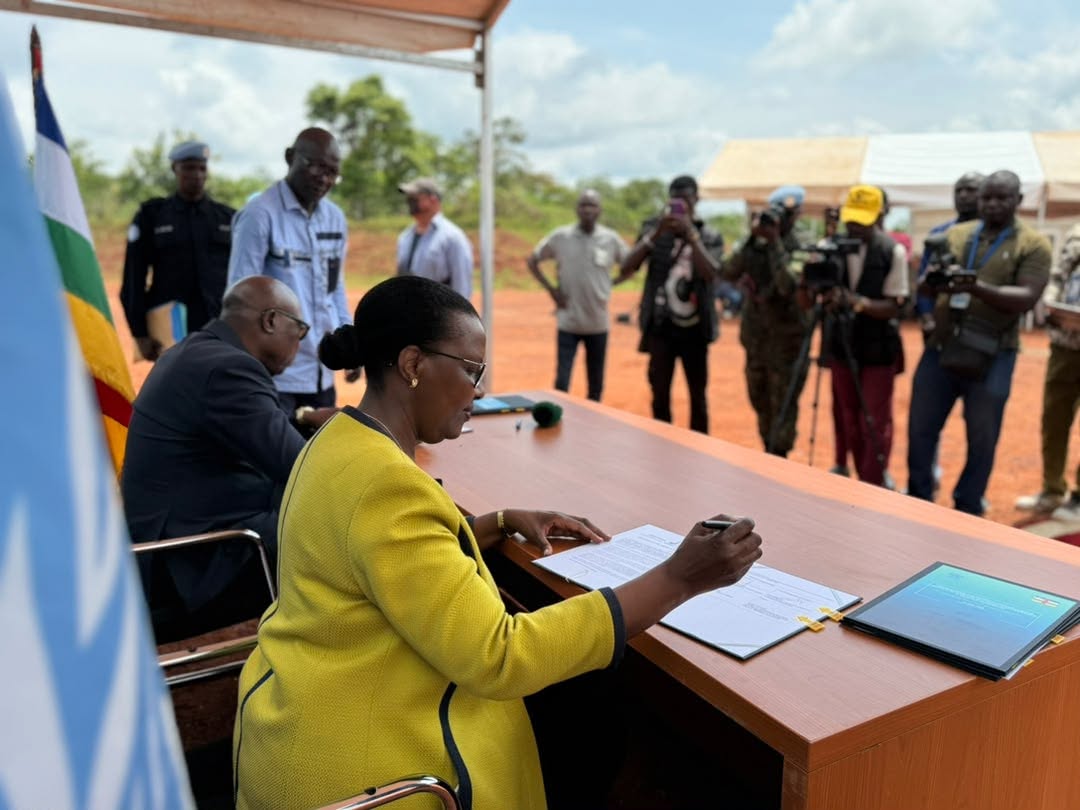
The official handover ceremony occurred in Mbaïki, located within the Lobaye prefecture, on June 10. This event marked the formal transfer of the seven United Nations bases to the Central African Republic's national authorities. The ceremony noted the collaborative spirit between Minusca and the CAR government in achieving shared security objectives. The Special Representative of the UN Secretary-General, Valentine Rugwabiza, attended the ceremony, showing the significance of the transition and the UN's continued commitment to the country's stability. Also present was Prime Minister Félix Moloua, representing the CAR government as it officially assumed responsibility for the installations. The presence of such high-ranking officials from both the UN and the Central African Republic emphasized the strategic importance of this transfer for the future of peace and security operations within the nation. The specific bases transferred are located in Mbaïki, Bamingui, Dékoa, Dilapoko, Ippy, Kouango, and Pombolo, spanning various regions of the country.
Context of Handover
The transfer of these seven bases by Minusca (United Nations Multidimensional Integrated Stabilization Mission in the Central African Republic) to the national authorities in République centrafricaine (Central African Republic) is part of a broader strategy to adapt the mission's operational footprint. Minusca has been operating in the country since 2014, with a mandate focused on protecting civilians and supporting the peace process. Over the past decade, the mission has gradually adjusted its presence in various regions as security conditions and national capacities evolve, allowing for a more targeted and flexible approach to its mandate. This latest handover of installations in Mbaïki, Bamingui, Dékoa, Dilapoko, Ippy, Kouango, and Pombolo reflects an ongoing re-evaluation of its deployment and a strategic move towards empowering national institutions. The United Nations has consistently emphasized the importance of reinforcing the Central African Republic's sovereign capabilities in maintaining peace and security across its territory, a principle that guides these strategic withdrawals and reconfigurations. This strategic adjustment aims to ensure that Minusca's resources are deployed most effectively where they are needed most, while simultaneously building the capacity of national security forces.
Significance for National Control
The handover of the seven bases signifies a substantial step towards reinforcing the Central African Republic's national sovereignty and its capacity to manage internal security. This transfer allows the national authorities to extend their administrative and security presence into areas previously supported by the United Nations Multidimensional Integrated Stabilization Mission in the Central African Republic (Minusca). Locations such as Mbaïki, Bamingui, Dékoa, Dilapoko, Ippy, Kouango, and Pombolo will now fall under direct national oversight, potentially enabling greater state control over these strategic zones and facilitating the provision of essential state services. The move aligns with the broader objective of strengthening the national security forces and civil administration across the République centrafricaine, fostering long-term stability without direct international military presence. It also presents an opportunity for the government to demonstrate its commitment to protecting civilians and maintaining order independently, thereby building trust and legitimacy among the population. This transition is expected to further empower national institutions to take full ownership of their security challenges and solutions, marking a critical phase in the country's journey towards lasting peace and stability.