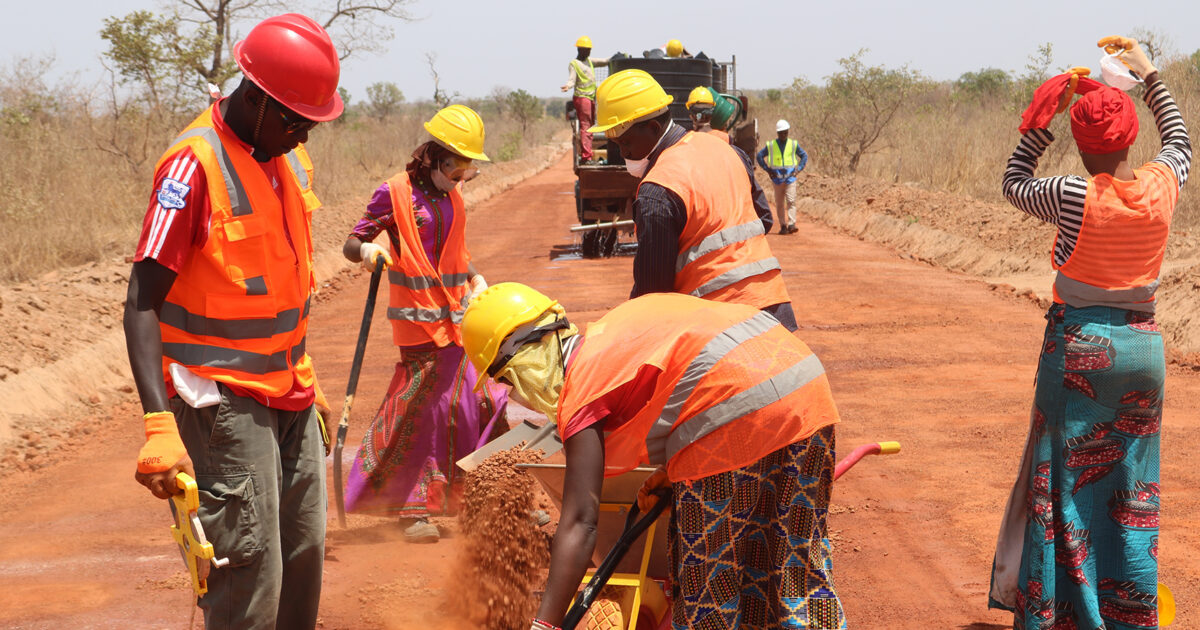
Central African authorities have criticized the United Nations Office for Project Services (UNOPS) over reported delays in critical infrastructure projects. The criticism specifically concerns the rehabilitation of the Ndélé-Ouadda road, a key route in the region. This particular project is considered vital for improving the movement of goods and people across a significant part of the country. The Central African government has expressed dissatisfaction with the pace of progress on the project, which aims to improve connectivity between the towns of Ndélé and Ouadda. The delays have raised concerns regarding the overall timeline and delivery of the planned infrastructure upgrades in Centrafrique, impacting the expected benefits for local communities. The ongoing setbacks have prompted a closer examination of the execution of these essential development initiatives.
Criticism Over Project Delays
The United Nations Office for Project Services (UNOPS) has also faced criticism regarding delays in the construction of bridges between Mbrès and Ndélé. These bridge projects are part of broader infrastructure development initiatives in Centrafrique, intended to enhance transportation networks and facilitate access between key locations. The reported setbacks in their construction add to the concerns raised by Central African authorities about the timely completion of essential infrastructure. The Central African authorities have specifically voiced their disappointment with the pace of these critical works, emphasizing the importance of these structures for regional integration and economic development. The delays in both the Ndélé-Ouadda road rehabilitation and the Mbrès-Ndélé bridge construction show the challenges encountered in executing these development projects within the region. These projects are considered vital for improving local connectivity and economic activity in the affected areas of Centrafrique. The Central African government has noted the importance of these infrastructure developments for the well-being of its citizens and the nation's progress, pointing to the potential for improved trade and access to services.
UNOPS Commitment to Completion
Sanjay Mathur, who serves as the regional director for Africa at UNOPS, has affirmed the organization's dedication to completing the infrastructure projects in Centrafrique. UNOPS is working to address the challenges that have led to delays in the rehabilitation of the Ndélé-Ouadda road and the construction of bridges between Mbrès and Ndélé. The organization recognizes the importance of these initiatives for improving connectivity and facilitating economic activity within the Central African Republic. UNOPS officials indicate that they are collaborating closely with Central African authorities to resolve outstanding issues and accelerate project timelines. Mathur's statement shows UNOPS's commitment to overcoming the current obstacles and delivering on its promises to the Central African people. The commitment from UNOPS aims to ensure that the critical infrastructure developments, which are vital for the local population and national progress, are delivered as efficiently as possible despite the current setbacks. Steps are being taken to review project management and resource allocation to prevent further delays and achieve the intended development outcomes, ensuring accountability and efficiency.
Context and Next Steps
The delays in projects such as the Ndélé-Ouadda road rehabilitation and the construction of bridges between Mbrès and Ndélé have prompted closer scrutiny of infrastructure development in Centrafrique. UNOPS, through its regional director for Africa, Sanjay Mathur, has reiterated its commitment to these initiatives. The organization is engaging with Central African authorities to address the identified challenges and accelerate project timelines, aiming for a collaborative resolution. This engagement includes discussions on operational adjustments and logistical improvements to streamline project execution. Future steps are expected to focus on enhanced coordination and operational adjustments to ensure the timely delivery of these critical infrastructure upgrades. The aim is to mitigate further setbacks and achieve the intended improvements in connectivity and economic activity across the region, ultimately benefiting the Central African population. The continued partnership between UNOPS and Central African authorities is seen as key for the successful completion of these long-awaited projects.